Role of Neighborhood Associations in Oklahoma City

In Oklahoma City, local neighborhood groups, often dismissed as mere social clubs, are demonstrably boosting resident engagement with city hall and improving overall community contentment.

DM
Derek Molina

May 20, 2026 · 6 min read

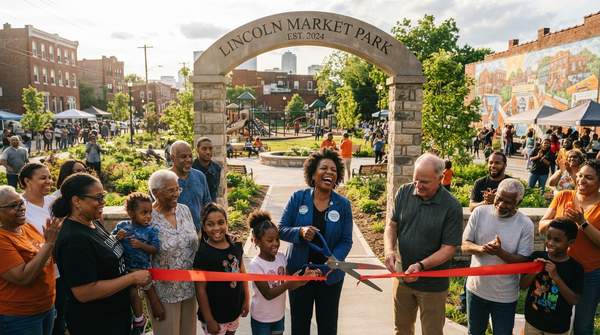
Diverse Oklahoma City residents collaborating in a park, discussing community initiatives with the city skyline in the background.

In Oklahoma City, local neighborhood groups, often dismissed as mere social clubs, are demonstrably boosting resident engagement with city hall and improving overall community contentment. These grassroots organizations serve as vital conduits, channeling local concerns and aspirations directly into municipal processes. Their consistent efforts foster a deeper sense of belonging and collective action among residents, shaping the everyday experience of living in Oklahoma City communities in 2026.

Neighborhood associations often operate at a hyper-local level with limited resources, yet they are powerful engines for fostering significant civic participation and improving overall resident satisfaction. The perceived low status and resource constraints of neighborhood associations belie their significant, measurable impact on community well-being and governance, which is a critical oversight.

Recognizing and supporting these neighborhood associations is crucial for strengthening local democracy and improving urban living standards. Their ability to mobilize residents and address specific community needs makes them indispensable partners in fostering a responsive and satisfied populace.

Defining the Role and Measuring Success

Understanding the full impact of neighborhood associations requires looking beyond their mere presence to their active functions and tangible results within a community. The effectiveness of a neighborhood association, according to Jstor, should be measured by studying its process and outcomes. This means evaluating not just whether an association exists, but how it operates, the methods it employs to engage its members, and the concrete changes it brings about.

Process measurements could include the regularity of meetings, the transparency of decision-making, and the diversity of resident participation. Outcomes, on the other hand, encompass tangible improvements such as successful advocacy for local park renovations, the establishment of new community safety programs, or increased voter turnout in local elections. These metrics move beyond anecdotal evidence, providing a clear framework for assessing the true value and reach of these hyper-local organizations.

By focusing on both the operational aspects and the measurable results, municipal leaders and residents can gain a more accurate picture of how these associations contribute to the overall health and vibrancy of Oklahoma City's neighborhoods. This analytical approach helps validate their role as essential components of community infrastructure.

Fostering Civic Participation

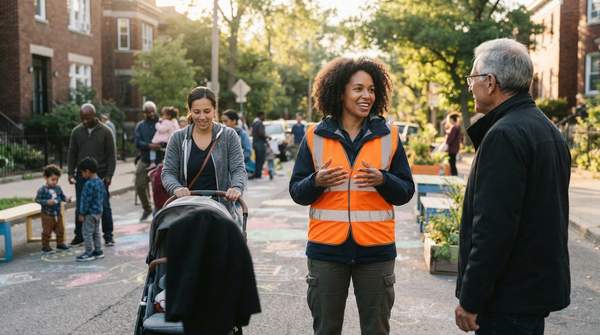
Neighborhood associations serve as crucial intermediaries, empowering residents to collectively engage with local governance and political processes. These groups may increase civic participation through interactions with municipal governments and participation in political processes, according to County Health Rankings. This direct line of communication transforms passive residents into active civic participants, giving a collective voice to concerns that might otherwise go unheard.

For example, associations often organize public forums where city council members and department heads can directly address neighborhood concerns, ranging from infrastructure repairs to zoning changes. They mobilize residents for public hearings, gather signatures for petitions, and facilitate discussions on local policy, thereby boosting engagement in the democratic process. This consistent interaction with city hall ensures that local perspectives are considered in broader urban planning and decision-making.

The collective power of an organized neighborhood can significantly influence outcomes. When residents unite through an association, their requests for improved services or changes in local ordinances carry more weight than individual complaints. This direct channel of interaction with municipal governments reinforces the democratic principle of local representation and strengthens the overall fabric of civic life in Oklahoma City.

Enhancing Resident Satisfaction

The strategic efforts of neighborhood associations ultimately translate into a more positive and engaged living experience for community members, directly impacting their happiness with their neighborhood. Neighborhood associations can enhance residents' neighborhood satisfaction through strategic actions, according to County Health Rankings. These actions are often tailored to the specific needs and desires of a particular community, making them highly effective.

Strategic actions might include organizing regular community clean-up days, establishing neighborhood watch programs to improve safety, or advocating for better pedestrian infrastructure. They also frequently host social events like block parties or farmers' markets, which foster social cohesion and create opportunities for neighbors to connect. These initiatives address both practical concerns and the desire for a stronger community bond, directly contributing to a higher quality of life.

The impact on resident satisfaction stems from the immediate and visible improvements these associations facilitate. When a community sees tangible results from collective efforts, such as a newly revitalized park or a successful campaign against unwanted development, residents feel a greater sense of pride and contentment with their living environment. This localized, tailored approach is key to fostering widespread community contentment.

Real-World Impact and Study

The fact that their impact is being systematically studied in specific cities like Oklahoma City validates their importance as subjects of urban research and policy, moving beyond anecdotal evidence. Data was collected from neighborhood associations in Oklahoma City, Oklahoma, as part of a study on assessing perceptions of effectiveness for a third sector, according to Researchgate. The real-world relevance of these groups is underscored by this research.

Such systematic data collection allows municipal leaders and urban planners to understand which strategies are most effective in promoting civic engagement and resident satisfaction. It provides empirical evidence that supports the allocation of resources to these hyper-local entities, rather than solely focusing on larger, more visible civic initiatives. The findings from Oklahoma City offer valuable insights that can inform similar community development efforts nationwide.

By examining the processes and outcomes within a specific urban context, researchers can identify best practices and areas for improvement. This rigorous approach helps to dispel the notion that neighborhood associations are merely informal social gatherings, instead positioning them as vital, measurable components of a healthy urban ecosystem. The study reinforces the argument for their inclusion in comprehensive community development strategies.

Common Questions About Neighborhood Associations

How do neighborhood associations impact property values?

Active neighborhood associations can positively influence property values by ensuring a well-maintained and desirable living environment. Research from Thepolicycircle indicates that properties in neighborhoods with strong, active associations can command values up to 5.6% higher than comparable homes in areas without such groups. This boost often stems from enhanced curb appeal, improved safety, and a stronger sense of community.

What are the responsibilities of a neighborhood association?

The responsibilities of a neighborhood association typically extend beyond civic engagement to include managing common areas, enforcing neighborhood covenants and bylaws, and organizing social events. They often act as a collective voice for residents on issues like zoning, public safety, and infrastructure, mediating between community members and local government. These groups also facilitate communication and foster a cohesive community identity.

How to start a neighborhood association?

Starting a neighborhood association typically requires identifying a core group of interested residents, defining the geographical boundaries of the proposed association, and establishing clear bylaws that outline its purpose and operational procedures. Many cities, including Oklahoma City, offer resources and guidance through their planning or neighborhood services departments to help formalize these groups and integrate them into the broader civic structure.

The Indispensable Role of Local Engagement

Ultimately, neighborhood associations are indispensable pillars of local democracy and community well-being, deserving of greater recognition and active support from both residents and municipal leaders. Their ability to operate at a hyper-local level, addressing specific needs with tailored solutions, proves more effective in driving engagement and satisfaction than many larger-scale projects. This localized approach harnesses the power of community members to shape their own environments.

Oklahoma City's experience reveals that municipal leaders who dismiss neighborhood associations as 'mere social clubs' are overlooking the most cost-effective, hyper-local engines for civic participation and resident satisfaction. The data suggests that empowering local neighborhood groups with even limited resources can yieldreater returns in community well-being than many large-scale, top-down urban development projects.

Moving into 2027, continued strategic support for groups like the Heritage Hills Association or the Paseo Arts District Association will be vital for sustaining Oklahoma City's vibrant community engagement. Investing in these grassroots organizations ensures that local voices remain central to the city's ongoing development and fosters a stronger, more connected urban fabric.