How Socioeconomic Status Shapes Neighborhood Governance

In Oklahoma City, a neighborhood's ability to tackle local issues through its association is often a direct reflection of its residents' bank accounts, not their collective will.

DM
Derek Molina

April 16, 2026 · 6 min read

A split image contrasting a well-maintained park in an affluent neighborhood with an overgrown, neglected park in a less affluent area, illustrating socioeconomic disparities in local governance.

In Oklahoma City, a neighborhood's ability to tackle local issues through its association is often a direct reflection of its residents' bank accounts, not their collective will. Wealthier areas frequently mobilize resources more effectively, leading to visible improvements and increased property values within their boundaries. Conversely, less affluent communities often struggle to gain traction on critical concerns, leaving vital needs unaddressed. A tangible divide in local governance outcomes across the city, affecting everything from park maintenance to public safety initiatives, is created by this disparity.

Neighborhood associations are designed to foster collective action and community development, yet their effectiveness is significantly greater in areas with higher socioeconomic status and existing investments. A fundamental challenge in the role of neighborhood associations in local governance is highlighted by this tension. The very structures intended to empower communities can inadvertently create barriers for those most in need of support.

Without targeted interventions or structural changes, neighborhood associations are likely to perpetuate and even deepen socioeconomic disparities in local governance and community development. A closer examination of how community power is truly distributed and exercised is demanded by this systemic issue.

In Oklahoma City, the perceived effectiveness of neighborhood associations often correlates directly with a community's economic standing. Data collected from various neighborhood associations across the city provides significant insight into these intricate dynamics, according to Researchgate. A broader, often overlooked truth about how community power and influence are truly distributed is suggested by this localized information. Residents in more affluent areas frequently report a stronger sense of their associations achieving tangible results, from securing new infrastructure to resolving zoning disputes. These communities often possess the organizational capacity to articulate their needs clearly and advocate effectively. Conversely, neighborhoods with fewer financial resources frequently experience their associations as less impactful, struggling to address pressing local concerns like blight, crime, or inadequate public services. The very structures intended to empower diverse communities can instead reinforce existing inequalities, creating a two-tiered system of local engagement and impact, as indicated by this pattern. A deeper issue of resource allocation and community mobilization is reflected by the disparity in perceived effectiveness.


The Intended Blueprint for Community Power

Effective neighborhood organizations, in theory, rely on several key components to achieve their goals. A comprehensive theoretical model for neighborhood organization effectiveness considers local ecology, organizational complexity, and coalitional embeddedness, according to cris.haifa.ac.il. Local ecology refers to the social and physical characteristics of a neighborhood, encompassing its demographics, housing types, and existing infrastructure. The unique challenges and opportunities a community faces are shaped by this factor. Organizational complexity involves the internal structure and resources of the association itself, including its leadership stability, active membership, and financial capacity to undertake projects. Coalitional embeddedness describes the extent to which an association connects with external groups, such as city government departments, local businesses, or other community organizations. These connections provide vital support and leverage. The ideal conditions for robust community action, setting a benchmark against which real-world outcomes can be measured, are outlined by this theoretical framework. It implies that simply establishing an association is insufficient; without addressing underlying disparities in these core areas, these groups will likely struggle.

The Unseen Hand of Socioeconomic Status

Actual effectiveness in neighborhood collective action consistently shows a strong correlation with socioeconomic status and existing neighborhood investments. Research indicates that greater effectiveness in neighborhood collective action is associated with socioeconomic status and neighborhood investments, according to Academic Oup. The capacity for community development is not evenly distributed across all areas, as revealed by this direct correlation. Instead, it significantly concentrates where resources already exist. Affluent neighborhoods often possess residents with more disposable income and available time, enabling robust fundraising efforts and consistent volunteer participation. They can also afford specialized expertise, such as legal counsel for navigating complex zoning issues or professional grant writers for securing project funding. Navigating intricate local governance processes more effectively, influencing policy and resource allocation, is allowed by this. That these groups often reflect and reinforce existing power dynamics is revealed by the consistent link between socioeconomic status and association effectiveness. They become tools for reinforcing existing disparities rather than mitigating them, particularly in a city like Oklahoma City.

When Threats Meet Resources: A Double-Edged Sword

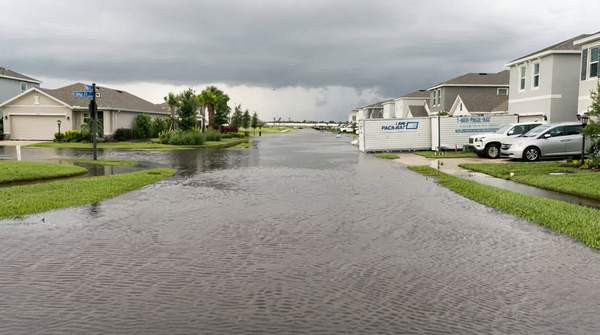
Environmental threats can certainly galvanize communities into action, but their ability to respond effectively remains inherently tied to existing resources. Greater effectiveness of neighborhood organizations is associated with socioeconomic status, neighborhood investments, and environmental threats, according to cris.haifa.ac.il. That adversity, rather than uniting all communities equally, primarily galvanizes those with pre-existing socioeconomic status and investments is suggested by this counterintuitive finding. For example, a flood threat might prompt a wealthy neighborhood to quickly organize and lobby for comprehensive flood mitigation projects. They possess the financial resources for expert consultations, the social capital for political engagement, and the organizational structure to mobilize quickly. Conversely, lower-income areas facing similar environmental threats may lack the organizational complexity or coalitional embeddedness required to mount an effective response. They often struggle to access information, secure funding, or influence decision-makers. While environmental threats can create urgency, translating that urgency into effective action still heavily depends on a neighborhood's underlying socioeconomic strength. Vulnerable areas that lack the necessary resources to organize effectively and advocate for their protection are further marginalized by this dynamic.

The implications of these findings for equitable community development in Oklahoma City are significant and far-reaching. Cities that rely heavily on neighborhood associations for local governance are inadvertently institutionalizing inequality, rather than fostering equitable development across all communities. A persistent cycle where already advantaged neighborhoods continue to improve and accumulate resources, while disadvantaged areas fall further behind in terms of infrastructure, safety, and quality of life, can be led to by this structural reliance. Without addressing underlying disparities in local ecology, organizational complexity, and coalitional embeddedness, these neighborhood groups will continue to fail the communities most in need of support and advocacy. That neighborhood associations are not a democratic solution for community problem-solving is revealed by the consistent link between socioeconomic status and association effectiveness. Instead, they often function as a reflection and reinforcement of existing power dynamics and resource distribution. Broader urban planning decisions, public service allocation, and the overall quality of life for all residents citywide, widening the gap between the haves and have-nots, are ultimately affected by this pattern.

How do neighborhood associations impact community development?

Neighborhood associations influence community development by advocating for local improvements, organizing community events, and addressing specific concerns like zoning changes or public safety. Their effectiveness in these areas, however, often depends on their access to financial resources and established connections with city officials, which can vary significantly between districts.

What are the benefits of neighborhood associations?

Benefits include fostering a stronger sense of community, providing a unified platform for residents' collective voice, and initiating local projects such as park cleanups or neighborhood watch programs. For instance, well-resourced associations might successfully secure grants for street improvements or traffic calming measures that directly benefit their property values and overall safety.

What are the challenges faced by neighborhood associations?

Challenges include limited volunteer engagement, insufficient funding, and difficulties in representing diverse community interests within their boundaries. Lower-income associations often struggle to maintain consistent leadership and may lack the professional skills needed to navigate complex bureaucratic systems, significantly hindering their advocacy efforts and project completion.

How can I get involved in my local neighborhood association?

To get involved, residents can attend public meetings, volunteer for specific projects, or join committees within their local association. Many associations post meeting schedules online or through community bulletins, offering a direct way to participate in local decision-making processes and contribute to neighborhood betterment.

The current structure of neighborhood associations in Oklahoma City, while often well-intentioned, frequently exacerbates existing socioeconomic divides. For true equitable development by 2026, the city must implement policies that specifically empower lower-income neighborhoods. This could involve direct financial assistance for organizational capacity building or dedicated city liaisons for underserved communities to ensure their voices are heard. Without such targeted interventions, the promise of collective action will regrettably remain primarily a benefit for the already privileged, deepening disparities in local governance outcomes.