Black wealth in Richmond has seen a significant decline, with a loss of 3,600 Black homeowners, according to Nextcity. The erosion of homeownership directly dismantles generational wealth, impacting families and their long-term stability. The loss turns once vibrant cultural hubs into economic voids for their original inhabitants.
Communities are actively working to preserve and enhance their unique character, but economic forces and new residents often lead to the displacement of original inhabitants and cultural disruption. The tension defines the ongoing struggle for authenticity in urban development.
Without stronger policies and community-driven interventions, the authentic character of many historic neighborhoods will likely be irrevocably altered, leading to a significant loss of cultural diversity and social equity in urban centers.
Some residents in Washington D.C.'s Barry Farm requested that the last 32 remaining buildings be designated a historic landmark, according to Brookings. The effort aimed to preserve the area's rich history and cultural significance. However, gentrification in nearby Washington D.C.'s U Street/Shaw neighborhood has led to decreased affordability, displacement of prior residents, and significant cultural disruption, as reported by the National Community Reinvestment Coalition (NCRC). The stark contrast highlights the ongoing battle between preserving historical identity and the powerful pressures of urban development in 2026. It showcases how factors defining neighborhood character and the resident contributions that shape them face constant, systemic challenges.
The Living Fabric of a Neighborhood
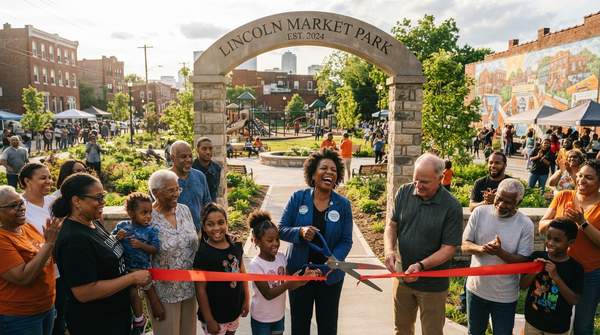
Broadway Housing Communities and its local partners are actively redeveloping New York's Sugar Hill District into a mixed-income, mixed-use site, according to The Black Wall Street Times. The project includes a museum celebrating Black culture and civil rights activism, reinforcing the community's heritage. Similarly, the Africatown urban village in Seattle's Central Area neighborhood anchors new housing, an incubator, and a public space that celebrates the area’s long Black history. The developments are concrete examples of how communities actively build and preserve their identity. Pittsburgh's Hill Community Development Corporation (Hill CDC) also leads revitalization efforts focused on green affordable and senior housing, alongside youth arts initiatives. The projects demonstrate that true neighborhood character is not static; it is actively cultivated through cultural initiatives, historical recognition, and community-focused development, reflecting the vital resident contributions to their environment.

The Mechanics of Displacement
The influx of new, more affluent residents puts direct pressure on the housing market, leading to inflated rents and prices that effectively displace low-income residents, according to a report in Law. The process becomes detrimental when it forces original residents to leave their neighborhood through exponentially increasing property prices, coercion, or buyouts. Such economic shifts dismantle established community bonds. Furthermore, new residents, who often possess “most spatialized privilege” and “high economic standing,” frequently shape city policy to protect themselves from further gentrification that might have priced them out of the area. A self-reinforcing cycle is implied where beneficiaries of gentrification actively work to prevent their own displacement, thereby cementing the displacement of original residents. Gentrification, often driven by market forces and amplified by new resident influence, systematically undermines existing community structures and displaces those who historically defined the area's character.
Community Counter-Narratives: Building from Within
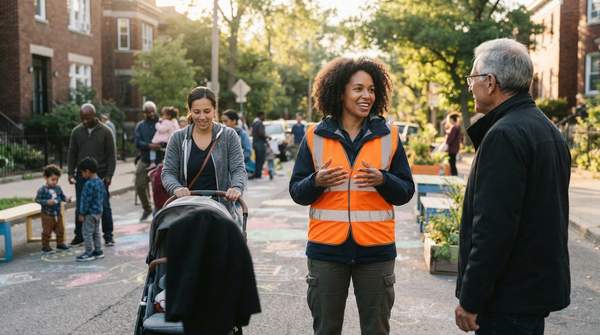
In St. Paul, the Rondo Community Land Trust actively develops affordable housing with the specific goal of bringing back former residents. The approach directly counters displacement by securing housing stability. Newark’s Central Ward has seen a revamp of the Essex Street Market, a public market designed to boost local small businesses and community wealth. The initiatives highlight local efforts to build economic resilience. According to the Philadelphia Federal Reserve, effective strategies for community building involve encouraging resident participation. The strategies ensure that community development aligns with the needs and desires of existing inhabitants. The intentional, resident-led efforts create resilient economic and social structures that resist displacement and reinforce authentic neighborhood identity, showcasing crucial resident contributions as factors defining neighborhood character.
The Enduring Cost of Lost Identity
The significant decline in Black wealth in Richmond, marked by a loss of 3,600 Black homeowners, illustrates a profound societal cost. The data, reported by Nextcity, highlights how communities are not just losing residents to gentrification. They are experiencing a systemic dismantling of generational wealth, turning vibrant cultural hubs into economic voids for their original inhabitants. The erosion means families lose assets that could otherwise be passed down, impacting future generations. The erosion of neighborhood character is not merely aesthetic; it represents a tangible loss of generational wealth, cultural heritage, and social cohesion for marginalized communities, directly challenging the foundational factors defining neighborhood character and stability.
Common Questions on Neighborhood Evolution
How do residents shape their neighborhood's identity?
Residents contribute to identity through active participation in local initiatives, volunteering, and supporting local businesses. Their collective actions, like organizing community events or advocating for local improvements, directly influence the social fabric and character of their area.
What makes a neighborhood unique?
A neighborhood's uniqueness comes from its distinct history, architectural styles, cultural traditions, and the mix of local businesses. These elements, combined with the personal stories and shared experiences of its long-term inhabitants, create a specific sense of place not found elsewhere.
What are the key elements of neighborhood character?
Key elements include the physical environment, such as building types and green spaces, alongside social factors like community events, local institutions, and the demographic makeup. The presence of historic landmarks or unique public art installations also defines its character.
Protecting the Soul of Our Cities
The ongoing struggle in neighborhoods like Richmond and Washington D.C. highlights a critical challenge for urban development in 2026. Despite proactive community-led initiatives to preserve culture and build local wealth, the systemic economic and political forces of gentrification often lead to displacement. The Law journal's finding that new, affluent residents actively shape city policy to protect their gains reveals that gentrification is less a natural market phenomenon and more a politically engineered process. Groups like the Hill CDC, through their youth arts initiatives and affordable housing projects, demonstrate how community-led efforts can foster local identity and provide practical solutions. Protecting the soul of our cities requires empowering these resident contributions and implementing stronger policy interventions to prevent further displacement, aiming for a more equitable urban landscape by 2030.