Neighborhoods

What Defines a Neighborhood's Character and Architecture?

The history of a neighborhood's character and architecture is a living story, told through its buildings, streets, and the generations of people who have called it home. Understanding this evolution is key to appreciating and preserving our unique local communities.

DM
Derek Molina

April 4, 2026 · 8 min read

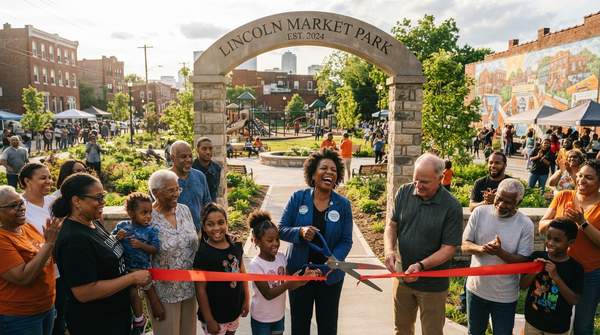
A bustling historic neighborhood street at sunset, showcasing diverse architectural styles, from classic brick buildings to modern facades, with residents enjoying the vibrant community atmosphere.

The historic character of many cherished neighborhoods was forged in concentrated development bursts, sometimes in as little as 50 years. This rapid evolution from empty plots to vibrant communities gives each neighborhood its unique identity. Its character and architecture tell a living story through buildings, streets, and the generations who have called it home.

As our city grows and changes, debates over development, zoning, and historic preservation become increasingly common. Exploring how a neighborhood’s character was formed allows us to appreciate its value, participate more thoughtfully in future conversations, and connect to our shared past. This understanding provides a crucial framework for shaping tomorrow's communities.

What Is Neighborhood Character?

Neighborhood character is the combination of visual qualities and physical features that give a place its distinct identity and sense of place. It is a collection of many elements, not just one. According to a guide from seguintexas.gov, this character is shaped by both natural and built features that create a cohesive, recognizable appearance.

The feeling of an area—whether cozy and residential, bustling and commercial, or grand and historic—is a direct result of its character. This character is the product of decades, or even centuries, of development, planning, and community life. To understand it better, preservationists and city planners break it down into several key components:

  • Land Use and Layout: This refers to how the land is used—is it primarily single-family homes, apartment buildings, storefronts, or a mix? The layout of streets, blocks, and public spaces like parks also plays a fundamental role. A neighborhood with a rigid grid of streets feels very different from one with winding, tree-lined lanes.
  • Building Types and Architectural Styles: The dominant styles of buildings are often the most visible aspect of a neighborhood's character. Are the homes primarily Victorian, Craftsman bungalows, or mid-century modern ranches? The scale, height, and materials of these buildings contribute to a unified aesthetic.
  • Streetscapes: This includes everything you see along the street beyond the buildings themselves. Think of sidewalks, the presence or absence of front yards, the type of trees planted along the curb, streetlights, and even fences. These elements frame the public space and guide how people experience the neighborhood on foot.
  • Natural Features: The underlying topography of the land, such as hills, creeks, or mature tree canopies, is a foundational layer of neighborhood character. Some neighborhoods are defined by their waterfront views, while others are known for their rolling hills.


A historic district's character is particularly significant because it reflects a specific period of development or a series of important historical events. Preservation efforts protect these defining elements, ensuring the neighborhood's unique story continues to be told.

The Architectural Evolution of Historic Neighborhoods

A neighborhood's architectural signature rarely results from a single vision; instead, it evolves over time. Economic trends, technological advancements, and the specific intentions of its earliest developers influence this evolution, shaping the built environment we inherit today. These development patterns have left an indelible mark in cities across the country.

Let's consider the Oakwood Historic District in Raleigh, North Carolina. According to a report from the City of Raleigh, the neighborhood was primarily developed during a fifty-year period from 1880 to 1930. This concentrated timeframe is crucial, as it means the area largely reflects the architectural tastes and construction methods of that specific era. The same report notes that Oakwood boasts the city’s "largest and most diverse collection of Victorian-era residential architecture." This includes a wide range of styles from the period, such as Queen Anne, Second Empire, and Italianate. The result is a neighborhood with a remarkably cohesive, yet varied, architectural identity that directly reflects its primary period of growth. The decision to designate it a historic district in 1975 was a formal recognition of this unique, time-capsule quality.

In another example, the Irvington neighborhood in Portland, Oregon, tells a story of early suburban development. According to City Hikes, Irvington contains the city's largest historic district and is characterized by its leafy streets, spacious houses, and a beautiful suburban feel despite its proximity to the downtown core. The source explains that the area's development wasn't monolithic; the Irvington Plat and John Irving's 1st Addition were separate but related developments. This illustrates how initial land claim decisions and subdivision plans can set the stage for a neighborhood's long-term character. The generous lot sizes and planned streetscapes from these early additions are precisely what create the "spacious" and "leafy" feel that defines Irvington today.

Architectural character is a product of history. Neighborhoods developed during the streetcar era, for instance, have different layouts and housing stock than those built after the rise of the automobile. Economic booms often lead to grander, more ornate construction, while periods of hardship result in simpler, more functional designs. Understanding these historical layers is key to reading a neighborhood's story in its buildings.

Community Identity: Shaping Neighborhoods Through Generations

While architecture provides a neighborhood's physical structure, its true identity is forged by the people who live there. Community identity is shaped by shared history, cultural institutions, and residents' collective will to preserve what they value. This human element drives a neighborhood's evolution, ensuring its character is more than just a collection of old buildings.

Institutions can often serve as powerful anchors for community identity. For instance, in Raleigh's South Person/South Blount Historic area, Shaw University played a pivotal role for over a century. According to a City of Raleigh report on the area's special character, the university, founded shortly after the Civil War, helped make Raleigh a "magnet for African Americans." The report notes that Shaw University contributed significantly to the vitality of the neighborhood for a hundred years. This demonstrates how a single institution can shape the demographic, cultural, and economic life of an area, creating a deep-rooted community identity that persists through generations.

The active participation of residents is also crucial, especially when a neighborhood's character is perceived to be under threat. The process of creating and maintaining a historic district is often a community-led effort, reflecting a shared desire to protect a neighborhood's unique qualities. This process is not always without debate. In Portland's Irvington neighborhood, an attempt was made in 2014 to remove certain parts of the neighborhood from the historic district, but city-hikes.com reports that this effort ultimately failed. This event highlights the ongoing dialogue within communities about the balance between preservation and individual property rights. It shows residents actively engaging in the process of defining and defending their neighborhood's character.

Preservation efforts formally express community will. When a neighborhood is designated as a historic district, the community agrees its character—the combination of architecture, streetscapes, and history—is worth protecting. This act of preservation consciously carries the past's story into the future, ensuring special elements are not lost to time or redevelopment.

Why Understanding Neighborhood History Matters

Learning about a neighborhood's character and architecture has a real-world impact on every resident, not just history buffs or architects. It enriches daily lives, informs civic engagement, and strengthens our connection to home. Understanding the story behind facades and street signs transforms a neighborhood from a simple collection of houses into a meaningful landscape of shared history.

On a personal level, this knowledge fosters a profound sense of place. Knowing that your home is an example of Craftsman architecture built for a streetcar-era commuter, or that the park down the street was the site of a significant community event, adds a rich layer of meaning to your surroundings. It builds a connection that transcends property lines and creates a stronger, more cohesive community. This shared understanding of a neighborhood's journey is the bedrock of civic pride.

Here's what you need to know on a practical level: this history directly influences the present and future. Debates about new construction, zoning changes, or traffic patterns are all fundamentally conversations about neighborhood character. An awareness of what makes a neighborhood unique provides the context needed to evaluate proposed changes. Does a new development complement the existing architectural scale and style? Does a new city policy support or undermine the historic streetscape? Without an understanding of the past, it's impossible to thoughtfully guide the future. For homeowners in designated historic districts, this history has tangible consequences, often involving specific guidelines for renovations and additions designed to preserve that character for everyone.

Frequently Asked Questions

How is a neighborhood's "character" officially defined?

A neighborhood's character is officially defined by its distinct collection of physical features and visual qualities. According to governmental guidelines, this includes a combination of natural and built elements such as land use patterns, the scale and style of buildings, the design of streetscapes (including sidewalks and trees), and the area's overall topography. For a historic district, this character is formally documented to identify the specific features that reflect a particular period of history.

What is a historic district?

Designation as a historic district formally recognizes a geographically defined area's significant concentration of historically or architecturally important buildings, sites, or structures. This recognition often includes guidelines and regulations to protect these defining features from inappropriate alterations or demolition, preserving the neighborhood's collective character.

Can a neighborhood's historic character change over time?

A neighborhood's character is not static; it constantly evolves. While historic preservation aims to maintain a district's core elements, communities change, new buildings integrate, and resident needs shift. The goal is to thoughtfully manage this evolution, ensuring new developments remain compatible with existing character, rather than freezing the neighborhood in time.

Why do some residents oppose historic district designation?

Debates around historic district designation often arise from concerns about property rights and the cost of maintenance. Designation can come with regulations that govern exterior renovations, repairs, and new construction, which some homeowners may see as an infringement on their ability to modify their property as they see fit. There can also be concerns that the specific materials and building techniques required for historic homes may be more expensive, potentially creating a financial burden for residents.

The Bottom Line

A neighborhood's character is defined by its architecture, streetscapes, and the generations who have shaped its identity. Understanding this history helps us appreciate our communities and become better stewards of their future. To learn more about your community's story, reach out to your local historical society or neighborhood association; this is the first step in preserving important places.