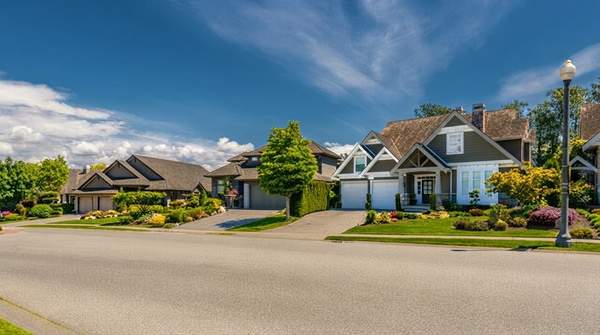
Chicago's new native plant rule has everyone talking! Headlines celebrate allowing native plants to grow up to 36 inches on parkways. But here's the catch: the fine print mandates that plants within three feet of a public sidewalk must remain under ten inches. This creates a confusing and potentially contradictory guideline for residents hoping to green their urban spaces. While the city aims to promote biodiversity, these nuanced regulations and a mandatory registration process may inadvertently create barriers for homeowners, potentially limiting the ordinance's intended ecological impact. The Chicago City Council approved this rule change, as reported by Block Club Chicago and Chicago. However, managed native gardens, specifically in parkways, face a strict 10-inch height limit near public sidewalks or property lines, according to illinoisplants. This means the widely celebrated 36-inch allowance is often curtailed by a much stricter 10-inch rule within three feet of a public sidewalk or property line in common urban scenarios.
How to Register Your Native Parkway Plants
The Chicago City Council unanimously approved an amendment to the city's Native and Pollinator Garden Registry ordinance, creating a Managed Native Garden Registry, as reported by WTTW News. Property owners must register their native garden through this system to gain exemption from existing weed ordinances, states illinoisplants. This formal registry is crucial for legally cultivating taller native plants, but it demands proactive engagement from residents. The city has inadvertently transformed a simple ecological act into a compliance burden, erecting a barrier to entry for the average resident.
Understanding Native Plant Height Limits
The much-celebrated 36-inch height allowance for native plants on parkways is often more symbolic than practical. For many urban plots, the reality is dictated by the far more restrictive 10-inch limit within three feet of public sidewalks. This creates a significant practical contradiction, as reported by WTTW News, Block Club Chicago, and Chicago, contrasted with illinoisplants data. The ordinance establishes a heavily regulated framework; the freedom to grow taller plants hinges on navigating specific spatial restrictions and an official registration process.