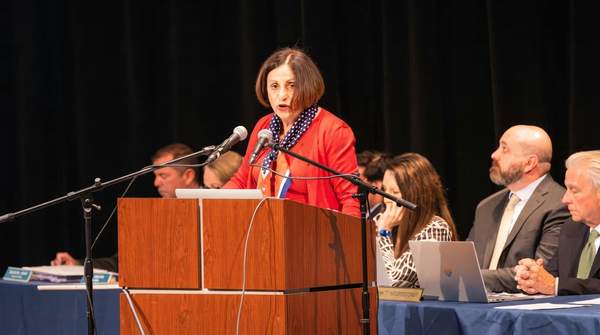
California Governor Newsom's announcement of new accountability measures and the awarding of $291 million for services and housing highlight the dynamic, high-stakes nature of the funding ecosystem for local community services. These essential services, from after-school programs providing safe spaces to food banks offering critical nutrition, are cornerstones of a healthy community. Understanding how local community services are funded and managed is crucial for appreciating their value and ensuring their survival. This involves delving into the intricate world of grants, block programs, and community engagement that powers the services our neighborhoods rely on.
What Are Local Community Services and How Are They Funded?
Local community services are programs and organizations designed to meet the specific health, social, educational, and welfare needs of residents within a defined geographic area. They range from veteran support and childcare assistance to mental health counseling and emergency housing. The funding for these vital operations is not monolithic; it’s a complex tapestry woven from federal, state, and local sources. A primary thread in this fabric is the Community Services Block Grant (CSBG) program, a federal anti-poverty initiative. Administered by the U.S. Department of Health and Human Services, the CSBG provides funds to states, which then distribute them to a network of approximately 1,000 local Community Action Agencies (CAAs) nationwide, according to the Office of Disease Prevention and Health Promotion.
CSBG-funded services address the root causes of poverty, encompassing housing, nutrition, utility assistance, employment and education support, and crisis services. As outlined by the Oregon Housing and Community Services department, the ultimate goal is to reduce poverty, revitalize low-income communities, and empower families toward self-sufficiency. Beyond this major federal program, funding also flows from diverse specific grants, local government budgets, and philanthropic organizations, each with unique goals, requirements, and application processes.
How Community Service Funding Works: A Step-by-Step Guide
Navigating the funding landscape, from multi-million dollar state initiatives to targeted local grants, involves a logical progression: identifying community needs, securing resources, and delivering services. While daunting, understanding this process is crucial for community organizations and residents to ensure resources flow effectively.
- Step 1: Conduct a Community Needs Assessment Before any funding can be effectively sought or allocated, organizations must first understand the specific challenges their community faces. This is not a matter of guesswork. Eligible entities, particularly those seeking CSBG funds, are required to conduct a formal community needs assessment. This data-driven process involves gathering information on poverty levels, housing instability, unemployment rates, access to healthcare, and other key indicators. It provides the foundational evidence needed to justify funding requests and design programs that will have a meaningful impact. This assessment is a critical opportunity for organizations to align their proposed services, such as a "Food Is Medicine" initiative, with the documented needs of the people they aim to serve.
- Step 2: Secure Federal and State Block Grants With a clear needs assessment in hand, organizations can tap into major funding streams. The Community Services Block Grant is a prime example. Federal funds flow to the state level, which then allocates them to local CAAs that operate in both rural and urban areas. These block grants are crucial because they provide stable funding for both the administrative backbone of an organization and its direct service programs. On a larger scale, state governments also play a direct role. For instance, the California government recently awarded $291 million to address mental illness and housing, demonstrating how state-level priorities can direct significant resources toward specific community needs.
- Step 3: Pursue a Diverse Portfolio of Grants Block grants provide a foundation, but most organizations must secure additional funding from a variety of sources. This involves identifying and applying for competitive grants from foundations, corporations, and other government programs. The variety is extensive. A search of grant opportunities on a site like GrantWatch reveals grants of up to $20,000 for children's welfare in Wisconsin and Florida, grants of $20,000 for nonprofit capacity building across the USA, and grants of up to $30,000 for Florida programs in arts, education, and health. Smaller grants, such as $1,500 for operational support or $1,000 for activities supporting local children, are also vital for grassroots organizations. This targeted grant-seeking allows organizations to fund specific projects or cover operational costs that larger block grants may not address.
- Step 4: Engage with Local Government and Intermediaries County and city governments are also key players in funding local services. They may allocate a portion of their budget to community programs or distribute funds they receive from state and federal sources. In one recent example, Pima County’s Board of Supervisors approved $838,000 in emergency grants for community services, according to a KGUN9 report. Additionally, intermediary organizations like the United Way play a crucial role. The United Way of Lake and Sumter Counties, for example, invests in local non-profits whose work aligns with their core impact areas of Economic Mobility, Health, and Education, acting as a strategic funding partner for a network of service providers.
- Step 5: Deliver Services and Measure Impact Once funding is secured, the real work begins. This is where dollars are translated into action. The funds support programs like the Boys & Girls Clubs of Central Florida's after-school and summer programming, the Early Learning Coalition of Lake County's subsidized childcare, and Find, Feed & Restore's provision of rent-free residences to homeless families with children. It also supports specialized care, such as the mental health counseling provided by LifeStream Behavioral Center. Critically, this phase isn't just about service delivery; it's also about tracking outcomes. Funders require detailed reports on how money was spent and what results were achieved, creating a cycle of accountability.
Common Pitfalls in Managing Local Community Services Funding
Effective funding management is as crucial as securing it; organizations, regardless of size, must avoid common mistakes to ensure long-term sustainability and impact. Preparedness is key to navigating these challenges.
- Over-reliance on a Single Funding Source: Placing all financial hopes on one grant or government program is a precarious strategy. As reported by WLDS, the Trump administration once announced a freeze on billions in federal funding for programs like the Child Care and Development Block Grant. Advocates warned at the time that even a short-term pause could force childcare centers to reduce hours or close entirely. This highlights the vulnerability of organizations that lack diversified revenue streams. A healthy funding model includes a mix of federal, state, local, and private sources to weather political and economic shifts.
- Mismatch Between Services and Community Need: An organization might be passionate about a particular service, but if it doesn't align with the data-driven needs identified in a community assessment, securing funding will be a constant struggle. Funders, especially those managing public dollars through programs like CSBG, are mandated to address documented needs. A program that cannot draw a clear line from its activities to solving a well-researched local problem is unlikely to be competitive.
- Neglecting Administrative and Capacity-Building Costs: There is often a temptation to direct every possible dollar to direct service delivery. While noble, this can starve the organization of the resources needed for effective management, staff training, technology upgrades, and long-term planning. This can lead to staff burnout and inefficient operations. Recognizing this, some funders offer specific grants for capacity building, such as the $20,000 grants available to USA nonprofits, to help organizations build a stronger, more resilient foundation.
- Poor Data Collection and Impact Reporting: In today's funding environment, storytelling is not enough. Funders demand data. An organization that fails to meticulously track its activities, client demographics, and measurable outcomes will be at a severe disadvantage when it's time to renew a grant or apply for new funding. Demonstrating a clear return on investment—showing how a specific amount of funding led to a specific, positive change in the community—is no longer optional.
Advanced Tips for Securing and Managing Community Service Grants
To move from surviving to thriving, nonprofit leaders require a strategic funding approach that builds a sustainable financial infrastructure beyond the next grant cycle. Key considerations are essential for this transition.
First, actively cultivate a diverse funding portfolio: a strategic mix of multi-year grants for stability, smaller project-based grants for innovation, and unrestricted funding from individual donors or corporate partners for flexibility. This involves building relationships with program officers, engaging with local government budgets, and developing compelling cases for support that resonate with various funders.
Second, master data-driven storytelling. Instead of vague claims, use specific data to prove program effectiveness. For example, the United Way of Lake and Sumter Counties notes LifeStream Behavioral Center provided over 24,000 counseling services in 2023 to more than 1,600 children and their families. Weaving such quantifiable data into a narrative about human impact creates grant proposals that are both emotionally resonant and logically sound, proving more powerful than simply stating a program is effective.
Third, build robust strategic partnerships. Collaborating with other nonprofits, schools, healthcare providers, or government agencies unlocks new funding opportunities and creates more holistic services. A joint grant application from a food bank and a community health clinic to address nutrition insecurity, for example, is often stronger than two separate applications. These partnerships demonstrate a deeper understanding of interconnected community needs and a more efficient use of potential funding.
Finally, invest in financial management and compliance systems. Securing a large grant brings significant administrative responsibilities, requiring organizations to track every dollar, manage complex budgets, and comply with rigorous reporting. Investing in accounting software, financial expertise (in-house or contracted), and staff training on grant compliance is an essential investment in an organization's credibility and long-term viability, not merely an overhead cost.
Frequently Asked Questions
How do I find grants for my local community organization?
Start by exploring federal grant portals like Grants.gov. Next, research your state's government websites, as many have dedicated offices that list funding opportunities. Don't overlook county and city government sites. Finally, connect with your local community foundation or a regional United Way chapter, as they often manage grant programs specifically for the communities they serve and can be invaluable resources.
What is a Community Action Agency?
A Community Action Agency, or CAA, is a local non-profit or public organization that serves as a primary recipient of Community Services Block Grant (CSBG) funds. There are about 1,000 CAAs across the United States, operating in 99% of the nation's counties. Their mission is to provide a wide range of services and programs to help low-income individuals and families achieve economic stability and self-sufficiency.
Can small, new nonprofits get funding?
Yes, although it can be challenging. Many foundations and government programs look for a track record of success. However, some grants are specifically designed for new or small organizations. Look for "capacity-building" grants that help with startup costs and organizational development, or smaller "operational support" grants, like the $1,500 grants available to Florida entities. Additionally, some grant programs, like the Local Community Support Grant, are designed to "strengthen services that already have roots in the community," which can favor grassroots efforts.
The Bottom Line
The funding and management of local community services connect federal policy to neighborhood-level impact through a continuous cycle of needs assessment, strategic grant-seeking, diligent management, and community engagement. Organizations achieve sustainability by diversifying funding and proving impact. For residents, understanding this process is key to advocating effectively for services that define and support their communities.