If you’ve ever wondered how your tax dollars translate into repaved roads, new library books, or park maintenance, understanding how local government budgets are created and approved is the place to start. In our neck of the woods, the City of Charlotte is currently seeking input from residents on its Fiscal Year 2026 Budget, making now the perfect time to demystify this critical civic process. It’s a complex journey from a department’s wish list to a legally adopted financial plan, but it’s one where your voice can play a significant role. This guide will walk you through the entire process, from initial planning to final vote, and show you exactly where and how you can get involved.
What Is a Local Government Budget?
A local government budget is a financial plan that outlines a municipality's projected revenues and planned spending for a specific period, typically a fiscal year. But it's far more than just a spreadsheet of numbers. According to the Municipal Research and Services Center (MRSC), the operating budget is arguably a city or county's most important work product. It serves as a comprehensive policy document that reflects the priorities and goals of the community, as decided by its elected officials. It's also a legal document that grants government departments the authority to spend public funds on services like public safety, infrastructure, and community programs.
In most jurisdictions today, the budget has evolved to include a mission statement, goals, and objectives that connect financial decisions to a broader vision for the community's future. It allocates resources among various departments—police, fire, parks, public works—and sets a legal limit on how much each can spend. By understanding this document, residents can see exactly how leaders plan to address community needs and aspirations over the coming year.
How Local Government Budgets Are Created and Approved: Step by Step
While specific procedures are outlined by statutes in every city, town, and county, the annual budget process generally follows a predictable cycle. This cycle includes development, approval, adoption, and, crucially, citizen engagement. Let's take a closer look at the key stages.
- Step 1: Strategic Planning and Initial GuidanceLong before the new fiscal year begins—often six to nine months in advance—the process kicks off. The city or county manager, along with the budget officer, establishes a timeline and provides guidance to all government departments. According to a guide from the Georgia Municipal Association (gacities.com), this phase involves the budget officer notifying department heads of the requirements for their upcoming budget submissions. This initial guidance often includes preliminary revenue forecasts, strategic priorities set by the city council, and any mandated spending increases or potential cuts.
- Step 2: Departmental Budget RequestsEach department head—from the police chief to the library director—prepares a detailed budget proposal. These proposals outline the funding necessary to maintain current service levels and may include requests for new initiatives. Departmental requests typically cover three main areas: personnel (salaries and benefits), operations (supplies, utilities, and contracts), and capital needs (major purchases like vehicles, equipment, or building improvements). This is where the on-the-ground needs of the community are first translated into financial figures.
- Step 3: Revenue ForecastingWhile departments are calculating their expenses, the finance department is busy on the other side of the ledger: projecting revenue. This is a critical and challenging step, as staff must estimate how much money the government will receive from all sources. These sources include property taxes, sales taxes, service charges, fees for licenses and permits, fines, and intergovernmental aid. This forecasting is essential because a local government cannot budget to spend more money than it expects to receive.
- Step 4: Central Review and Budget CompilationOnce all departmental requests are submitted, the budget officer and their team begin the painstaking work of reviewing them. They analyze each request in the context of the city's overall financial condition, council policies, and the political climate. The budget officer's primary task is to balance the departmental requests with the projected revenues. This almost always involves making difficult decisions and trimming requests to fit within financial constraints. The end product is a single, comprehensive budget document that represents the executive's recommendation to the legislative body.
- Step 5: Presentation of the Proposed BudgetThe city manager or mayor formally presents the proposed budget to the city council or county commission. This presentation typically occurs in a public meeting and includes a high-level overview of the budget, highlighting key spending priorities, proposed changes from the previous year, and the projected impact on taxpayers. This moment officially kicks off the legislative phase of the budget process and opens the door for public scrutiny and debate.
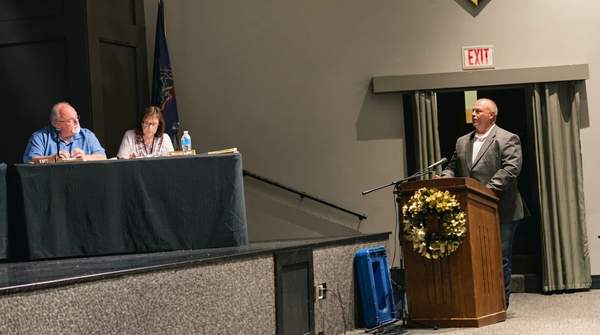
- Step 6: Public Hearings and Citizen InputThis is a cornerstone of the process. Local governments are required to hold public hearings where residents can provide direct feedback on the proposed budget. This is your opportunity to speak before the council, ask questions, and advocate for the services and projects you care about. As noted by the government software provider OpenGov, citizen engagement is a key component of the annual budget process. Many cities, like Charlotte, also offer online surveys and community meetings early in the process to gather input before the manager’s budget is even finalized.
- Step 7: Legislative Deliberation and AmendmentsFollowing the public hearings, the city council or county commission holds a series of work sessions to dissect the proposed budget. They review the document line by line, question department heads, and debate the merits of various expenditures. During this phase, council members can propose amendments to the budget—adding funding for one program, for example, by cutting it from another. These deliberations are where the final political compromises and policy decisions are hammered out.
- Step 8: Final Adoption of the BudgetThe process culminates in a final vote by the legislative body to adopt the budget, usually through the passage of an ordinance or resolution. Once adopted, the budget becomes a legally binding document that governs the city's spending for the upcoming fiscal year. The adopted budget authorizes the government to collect taxes and spend public funds in accordance with the approved plan. From there, the focus shifts to implementation and monitoring to ensure departments stay within their allocated budgets.
Common Pitfalls in Understanding the Local Budget Process
The budget process can seem intimidating, leading to a few common misconceptions. Here's what you need to know to avoid them.
- Mistake: Thinking your input doesn't matter. It’s easy to feel like one voice won't make a difference, but public comment is a formal part of the record. Elected officials and staff listen to resident feedback to gauge community priorities. Organized, specific, and well-reasoned arguments are especially effective at influencing decisions on the margins, which can have a big impact on specific programs or neighborhood projects.
- Mistake: Waiting until the final vote to speak up. The most effective time to provide input is early and often. By the time the final adoption meeting occurs, most major decisions have already been made during council work sessions. Engage during the initial community input phase, attend the first public hearing, and email your representatives during their deliberations for the greatest impact.
- Mistake: Focusing only on expenses. A budget has two sides: expenditures and revenues. Understanding where the money comes from—the mix of property taxes, sales taxes, and user fees—is just as important as knowing where it goes. This knowledge allows you to engage in more sophisticated discussions about the trade-offs involved in funding community services.
- Mistake: Believing the budget is just about numbers. The budget is the primary document that reflects a community's values. The decision to fund a new senior center over a skate park, or to prioritize road repairs over library hours, is a statement of priorities. Approaching the budget from this perspective helps connect the numbers to real-world community impact.
Advanced Tips for Engaging with the Local Budget
Ready to take your engagement to the next level? Here are a few key considerations for residents who want to be more deeply involved in how local government budgets are created and approved.
First, read the budget document itself. Most municipalities post the entire proposed budget on their website. It can be a massive file, so start with the budget summary or the city manager’s introductory message. These sections provide a high-level overview of the key priorities and changes. Then, find the sections for the departments or services you care about most, whether it's parks and recreation or public safety.
Second, attend budget work sessions in addition to the formal public hearings. Work sessions are where the council members do their deep-dive analysis and debate. While you may not be able to speak, these meetings offer invaluable insight into the council's thinking and the tough choices they face. It's the best way to understand the "why" behind the final decisions.
Finally, look into innovative engagement models like participatory budgeting. In this model, the local government allocates a portion of its budget for residents to decide how to spend directly. For instance, a report in the Duke Chronicle highlights how Durham's participatory budgeting process allows citizens to propose and vote on projects, giving them direct control over a slice of city funding.
Frequently Asked Questions
How can I find out when budget meetings are happening?
The best resource is your local government's official website. Look for a "City Council" or "Public Meetings" section, which should have a calendar of all upcoming hearings and work sessions. You can also sign up for the city's email newsletter, follow their official social media pages, or check for public notices posted at city hall and in local media.
What is the difference between an operating budget and a capital budget?
The operating budget covers the day-to-day costs of running the government. This includes recurring expenses like employee salaries, benefits, utilities, fuel for vehicles, and office supplies. The capital budget, on the other hand, funds major, long-term investments. These are typically large-scale projects like constructing a new fire station, renovating a park, building roads, or purchasing expensive equipment that will last for many years.
Does my property tax cover the entire city budget?
No, property taxes are just one piece of the revenue puzzle. While they are often a primary source of funding, especially for counties and school districts, cities rely on a diverse mix of revenues. This includes local sales taxes, fees for services (like water, sewer, and trash collection), business licenses, building permits, fines, and grants from state and federal governments.
The Bottom Line
The local government budget process is the engine that powers our community, determining the quality of our parks, the responsiveness of our emergency services, and the condition of our streets. While it can appear complicated from the outside, the system is designed with specific points for public input. Understanding the steps and timing is the key to making your voice heard effectively.
Here's what you need to know: The process is a year-long cycle, but the most critical window for public input is during the spring and early summer. Your first step should be to visit your city or county's website today to find the budget calendar and learn how you can participate.