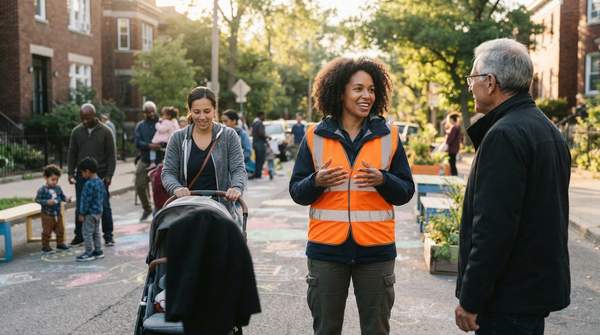
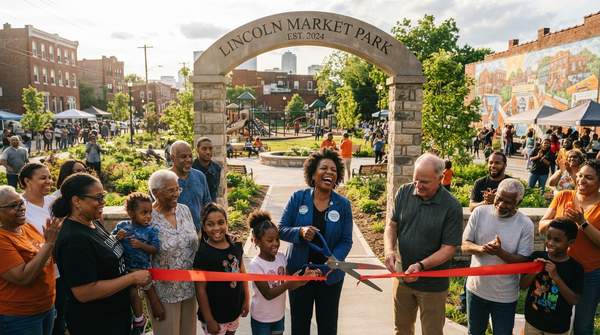
Moving boxes are unpacked, furniture is arranged, and the Wi-Fi is finally connected. You’re home. But the feeling of being truly settled often extends beyond your four walls. Our comprehensive guide on how to get to know your new neighborhood is designed to help you transform an unfamiliar address into a place you genuinely belong. The process can feel daunting, especially in a rapidly growing area. According to a recent report from USA Today, the Las Vegas metropolitan area is seeing significant population growth, with its suburb of Henderson ranking among the fastest-growing cities in the United States. This influx of new residents highlights a common challenge: turning a new house into a real home. It’s a journey of discovery, one small step at a time.
What Is Getting to Know Your Neighborhood?
Getting to know your new neighborhood is the active process of building a connection with the community, geography, and culture of the area immediately surrounding your home. It goes far beyond memorizing street names or knowing where the closest gas station is. This process involves understanding the local rhythm, discovering hidden gems, learning about available resources, and eventually, forming relationships with the people who live and work alongside you. It's about shifting your perspective from that of a visitor to that of a resident who is an engaged and informed part of the local fabric.
In essence, this is about creating a sense of place for yourself. It’s the difference between saying "I live in this city" and "This is my neighborhood." A successful effort means you know who to call for a good pizza recommendation, which park is best for a quiet afternoon, and you recognize a few friendly faces on your morning walk. It’s a foundational step in putting down roots and feeling truly comfortable and secure in your new environment.
How to Get to Know Your New Neighborhood: A Step-by-Step Guide
Feeling at home doesn't happen by accident. It requires a bit of intention and exploration. By breaking the process down into manageable steps, you can methodically and enjoyably weave yourself into the community. Let's take a closer look at a practical, step-by-step approach.
Step 1: Conduct Digital Reconnaissance
Before you even lace up your walking shoes, your first exploration should begin online. This initial digital dive provides a framework for your physical exploration. Start with official sources like your city or town’s official website, which often has sections dedicated to specific neighborhoods, parks, and recreation. Look for a digital version of a community newsletter or a local government calendar. These are treasure troves of information about upcoming events, public meetings, and local initiatives.
Next, search for community-specific resources. Many areas have dedicated guides designed to help new residents. For instance, Las Vegas Homes By Leslie – RE/MAX United Realtor recently released a comprehensive community guide for people moving to the Las Vegas area, a region seeing major growth, including a $638 million development plan in North Las Vegas, according to USA Today. The guide details everything from real estate trends and school information to local entertainment and neighborhood culture for areas like Summerlin and Henderson. Similarly, resources like the guide to Chicago neighborhoods from Domu or the research guide from the Newberry Library show how valuable these curated resources can be. Search for "[Your City] neighborhood guide" to see what's available. Finally, look for unofficial but often more vibrant online communities on platforms like Facebook or Nextdoor, where current residents discuss everything from lost pets to the best local plumber.
Step 2: Take a "Five Senses" Walkabout
Once you have a digital lay of the land, it’s time for the most important step: walking. Leave your car keys at home and set out on foot with no destination in mind. The goal of this walk is not to get somewhere, but to observe. Pay attention to all five of your senses. What do you see? Notice the architecture, the condition of the gardens, the types of cars in the driveways, and the public art or murals. Are there kids' toys in the front yards? Wind chimes on the porches? These small details tell a story about the people who live there.
What do you hear? Is it the distant hum of a highway, the sound of children playing, birdsong, or music coming from a backyard? What do you smell? Can you detect a nearby bakery, freshly cut grass, or the scent of blooming flowers? This sensory information gives you a feel for the neighborhood's "vibe" that no website can capture. During your walk, look for community bulletin boards at local parks, libraries, or coffee shops. They are often covered in flyers for local events, classes, and services that you won’t find online.
Step 3: Map Your Everyday Essentials
This step is about practicality. Now that you have a general feel for the area, it's time to pinpoint the essential services and amenities that will become part of your daily or weekly routine. Make a physical or digital map and mark the locations of your non-negotiables. This includes the nearest grocery store, pharmacy, post office, and bank. But don't stop there. Locate the closest public library—an invaluable community hub.
Identify your public transportation options. Where is the nearest bus stop or train station? Understanding the local transit system can open up the city and your neighborhood in new ways. If you're new to navigating the local system, resources like our complete guide to using public transportation can be a great help. Also, find the nearest public park or green space. Knowing you have a nearby place to walk, relax, or play is crucial for well-being. This "essentials map" will not only make your daily life more efficient but will also begin to build a mental grid of your new territory, making it feel smaller and more familiar.
Step 4: Become a "Regular" Somewhere
Familiarity is built on repetition. One of the fastest ways to feel like you belong is to become a familiar face. Choose one local spot—a coffee shop, a small bakery, a diner, or even a specific park bench—and make a point to visit it regularly. Go at the same time a few days a week. The goal is simple: to see and be seen. In the beginning, you don't even need to talk to anyone. Just be present.
Over time, the staff will begin to recognize you. You might start to recognize other regulars. This simple act transforms you from a stranger into a part of the daily rhythm of a place. A simple nod of recognition from a barista or another patron can do wonders for making a new place feel like home. This low-stakes consistency builds a foundation for casual interactions that can eventually blossom into conversations and connections. It’s a quiet but powerful way to signal to yourself and others that you are part of this community now.
Step 5: Engage with Local Institutions
Beyond commercial establishments, your neighborhood is supported by civic and community institutions. Engaging with them is a key step in becoming an informed resident. Your local public library is the perfect place to start. Get a library card, browse the collection, and check out the calendar of events. Libraries are no longer just places for books; they are community centers that offer workshops, lectures, kids' story times, and access to technology.
Next, identify your local community or recreation center. See what classes or sports leagues they offer. This is a direct path to meeting people with shared interests. Finally, take a step into local governance. Find out which city council district you live in and who your representative is. Look up the schedule for neighborhood association or planning commission meetings. You don't have to speak—just attend one meeting to listen. You'll learn about the issues your neighbors care about, from traffic calming to new developments, and gain a much deeper understanding of the forces shaping your community.
Step 6: Find Your Community Engagement Opportunities
Now it's time to move from passive observation to active participation. This is where you find "your people." Think about your hobbies and interests and look for local groups that share them. Are you a runner? Look for a local running club. A gardener? Find a community garden. A book lover? See if a local bookstore or library has a book club. These shared-interest groups provide an instant, natural way to connect with others.
Volunteering is another powerful avenue. Find a local cause you care about, whether it's an animal shelter, a park cleanup day, or a food pantry. Working alongside your neighbors toward a common goal forges strong bonds. Farmers' markets and local festivals are also prime opportunities. They are designed to bring people together. Make a point to go, walk around, and talk to the vendors and artisans. For those interested in taking a more active role, our guide on planning community events offers insight into what it takes to bring neighbors together.
Common Mistakes to Avoid When Getting to Know Your Neighborhood
While the process of settling in is unique for everyone, there are some common pitfalls that can slow it down. Being aware of these can help you navigate your first few months more effectively. Here's what you need to know to avoid them.
- Staying in the "Home-to-Car-to-Work" Bubble. It's easy to fall into a routine where you only travel between your home, your car, and your workplace. This creates a bubble that effectively cuts you off from the neighborhood you live in. The fix is to be intentional about breaking this pattern. Make a point to run one errand per week on foot or by bike, or build a 15-minute walk around the block into your daily schedule.
- Relying Only on Online Reviews. While digital research is a great starting point, it should not be your only source of information. Online reviews can be outdated, biased, or reflect a single bad experience. A restaurant with a three-star rating online might actually be a beloved local institution. The correction is to use online information as a guide, not a verdict. Trust your own real-world experiences and observations.
- Waiting for Others to Make the First Move. Many people hope a friendly neighbor will show up on their doorstep with a welcome basket. While that sometimes happens, it's not a guarantee. Being passive and waiting for your new community to come to you can lead to feelings of isolation. The solution is to take gentle, proactive steps. A simple smile and a "hello" to people you pass on the street, or a wave to a neighbor who is out in their yard, can open the door to future conversations.
- Ignoring the Hyper-Local Economy. It's tempting to stick with the big-box stores and national chains you already know. But doing so means you miss out on the unique character—and characters—of your neighborhood. Make a conscious effort to support the small, independent businesses in your area. Try the family-owned hardware store, the corner bakery, or the local tailor. This not only helps the local economy but also puts you in direct contact with the people who are deeply invested in the community.
Advanced Tips for Deepening Your Neighborhood Connection
Once you've mastered the basics, you might be ready to forge an even deeper connection to your new home. These advanced strategies are for those who want to move from being a resident to being a true neighbor and community stakeholder.
First, dive into your neighborhood's history. Understanding where your community came from provides a rich context for what it is today. Visit the local historical society, or check the local history section of your library. Look for old maps and photographs. Learning the stories behind street names or old buildings can give you a profound sense of connection to the generations who lived there before you.
Second, become a patron of local arts and culture. Attend a play at the community theater, go to a concert in the park, or visit a gallery featuring local artists. These events are the lifeblood of a community's unique identity. By supporting them, you are not only enriching your own life but also helping to sustain the culture that makes your neighborhood special.
Finally, find a way to share a skill or passion. Do you have a green thumb? Offer to help a neighbor with their garden or join the beautification committee for a local park. Are you a great cook? Consider participating in a local potluck or bake sale. If you're interested in self-sufficiency, you could even host a small workshop based on what you learn from a guide to food preservation. Sharing your talents, no matter how small they seem, is a powerful act of community building. It shifts your role from a consumer of community resources to a contributor.
Frequently Asked Questions
How long does it take to feel settled in a new neighborhood?
There is no single answer, as the timeline is personal and depends on many factors, including your personality and the nature of the neighborhood itself. However, most people report that it takes anywhere from six months to a full year of proactive effort to start feeling truly at home. The key is consistency; the more you actively engage using the steps above, the faster you will build the familiarity and connections that lead to a sense of belonging.
What is the best way to meet neighbors if I'm shy or introverted?
For those who are more reserved, the idea of knocking on doors can be intimidating. Focus on low-pressure, indirect methods. Simply spending more time in visible spaces, like your front porch or yard, creates opportunities for casual encounters. A simple wave or a nod is a great start. Joining a group focused on a quiet hobby, like a book club or a gardening group, allows you to connect with others around a shared interest, which can feel more natural than open-ended socializing.
How can I find out about local news and events?
Look for a variety of sources. Many neighborhoods have a free local newspaper or a community newsletter that is either delivered or available in local shops. The bulletin board at your public library or community center is often a hub of information. Online, check for a neighborhood association website or a community Facebook group. These digital forums are often the fastest way to learn about everything from a planned power outage to a last-minute block party.
The Bottom Line
Getting to know your new neighborhood is an investment in your own well-being and happiness. As one real estate professional noted in the USA Today report, "The decision to relocate... involves numerous considerations beyond just finding a house." By taking a proactive, step-by-step approach, you can systematically build a sense of place and turn your new address into a community you are proud to call home.
This week, choose one action from this guide—whether it's taking a walk down a new street or finding your local library's website—and just begin.