A 2022 survey by Rocket.Chat found that while 62.8% of people were satisfied with their access to local governance, a significant portion of the community remains on the sidelines. Learning how to access public records and participate in local government is a direct way to shape your community, from approving new stop signs to building parks. Understanding this process is the first step toward making your voice heard.
What Is Local Government Participation?
Participating in local government involves residents influencing public decisions and contributing to community well-being. This civic engagement is an ongoing dialogue with elected representatives, extending beyond voting. Most communities offer many entry points, such as city councils, county commissioners courts, and local school boards, where residents can make a difference.
These bodies make crucial decisions on property tax rates, new developments, public safety, and school policies. As the Texas Tribune notes, "The local government offers many entrance points for people who want to follow what’s going on in their communities." Participating allows residents to increase transparency, improve decision-making, and ensure effective allocation of public resources.
How to Participate in Local Government: A Step-by-Step Guide
Navigating local government structures can seem complex, but the process involves manageable steps. By following a clear path, you can effectively prepare to engage with local officials and make a tangible impact. Here's how to get started.
- Step 1: Educate Yourself on the Issues Before you can effectively participate, you need to understand the topics at hand. The YLAI Network's Guide to Civic Engagement emphasizes the importance of educating yourself about current community and social issues. Start by visiting your city or county's official website, where you can often find comprehensive plans, proposed ordinances, and budget documents. Follow local news outlets (like City & Local) that cover neighborhood developments. Many community groups and neighborhood associations also provide summaries and analyses of local government actions that affect residents directly.
- Step 2: Identify Key Decision-Makers and Venues Different issues are handled by different government bodies. Is your concern related to education? The school board is the place to go. Is it about a zoning change or a new business permit? The city council or a planning and zoning commission is likely the correct venue. Your official city or county website will have a directory of elected officials, their contact information, and the committees they serve on. Knowing who to talk to and where to show up is critical for making your efforts count.
- Step 3: Understand Open Meeting Laws (Sunshine Laws) In most states, laws often referred to as "Sunshine Laws" require government business to be conducted in public. This means that meetings of city councils, school boards, and other public bodies must be open to residents. These laws typically mandate that meeting agendas be posted in advance, giving you time to see what will be discussed. While there are exceptions for sensitive topics like personnel issues or legal negotiations, the vast majority of local decision-making happens in the open, and you have a right to be there.
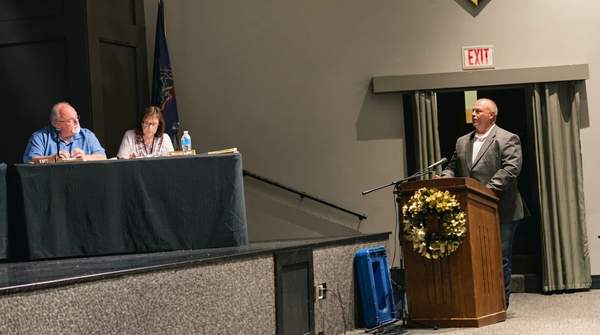
- Step 4: Find and Attend Public Meetings Attending a local government meeting is one of the most fundamental ways to participate. As the Texas Tribune notes, "School board meetings, city hall meetings, those are all low hanging fruit that all you have to do is show up." You can find meeting schedules, times, and locations on the official city or county website. Many municipalities now also livestream their meetings or post recordings online, providing another way to stay informed if you can't attend in person. Attending helps you understand the procedures, learn about key issues, and see who the active players are in your community.
- Step 5: Learn How to Access Public Records Public records are documents and data created by government agencies, and they belong to the public. This can include everything from city budgets and contracts with vendors to official correspondence and meeting minutes. To access public records, you typically start by identifying which department holds the information you need. The city clerk's office is often the central repository for official documents and a great place to start. You may need to submit a formal written request, often called a Freedom of Information Act (FOIA) request, though the specific name and process vary by state and municipality. Be as specific as possible in your request to ensure you get the information you need.
- Step 6: Prepare Your Message for Public Comment Most public meetings include a designated time for public comment, where residents can address the board or council directly. To make the most of this opportunity, prepare your remarks in advance. You will usually have a time limit, often two or three minutes. Start by stating your name and the neighborhood you live in. Clearly and concisely state your position on the issue and support it with facts or personal experience. Focus on being constructive and respectful, as this is the most effective way to have your message heard by decision-makers.