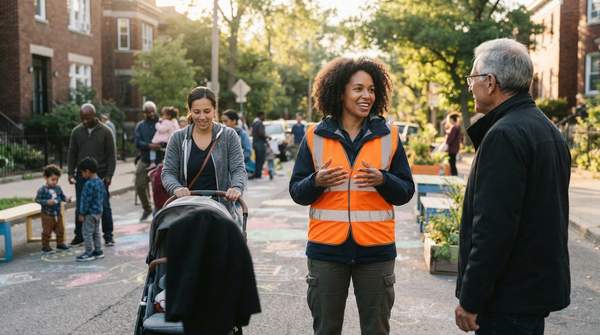
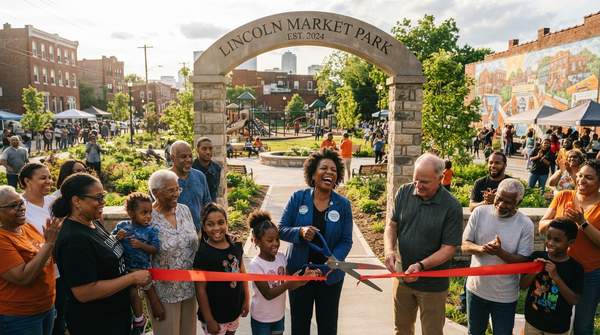
You’ve probably seen the signs posted on a street corner or a notice in your mailbox: a public meeting about a new zoning variance, a proposed park renovation, or a change in traffic patterns. It’s easy to walk by and assume these decisions are made far from our front doors. But understanding how local community councils and neighborhood associations function reveals a powerful truth: in our neck of the woods, residents have a real opportunity to shape the places they call home. In collaborative engagement, community members and organizations can share decision-making power, turning passive residency into active citizenship.
What Are Community Councils and Neighborhood Associations?
At their core, local community councils and neighborhood associations are organized groups of residents who work together to address issues and improve the quality of life within a specific geographic area. Community engagement, as defined by experts, is the process of collaborating with impacted groups to ensure they influence the decisions that will ultimately affect them. These local groups are the primary vehicle for that engagement. According to a guide from Visible Network Labs, the concept has evolved from early social welfare programs into more formalized systems for residents to have a voice. They are diverse, relationship-oriented practices that prioritize mutual benefit and active participation.

While the exact names and structures can vary from city to city, they generally serve as a bridge between residents and local government. They might be formally recognized by the city or exist as independent, volunteer-run nonprofits. Their purpose is to create a forum for discussion, identify community priorities, advocate for neighborhood interests, and often, to organize local events and initiatives. They are the grassroots level of civic life, where the abstract policies of city hall meet the concrete realities of our streets, parks, and schools.
How Neighborhood Associations Operate: A Step-by-Step Guide
The work of these local groups isn't random; it follows a process designed to build consensus and drive meaningful change. While every community is unique, successful engagement often involves several key stages. Let's take a closer look at how these groups turn resident concerns into collective action, a process that relies on bringing people together to make decisions collaboratively.
- Step 1: Understand the Local ContextEffective action begins with listening and learning. Before any plans are made, successful community groups invest time in understanding the specific needs, challenges, and assets of their neighborhood. This involves more than just looking at data; it means talking to a wide range of residents, from longtime homeowners to new renters, business owners, and parents. According to guidance from Afton Partners, a key practice is to enter into these activities with curiosity, leaving assumptions at the door. This foundational step ensures that any future actions are grounded in the actual, lived experiences of the community, not in preconceived notions of what the neighborhood "needs."
- Step 2: Build a Broad and Diverse CoalitionNo single person or group can represent an entire community. To tackle complex issues, neighborhood associations often build coalitions. An action guide from the Annie E. Casey Foundation highlights that these coalitions bring together various partners, including local businesses, nonprofits, faith organizations, youth groups, educators, and parent groups. By uniting varied perspectives and resources around a shared goal, a coalition increases community ownership and the likelihood of creating lasting change. This broad base ensures that more voices are heard and that the solutions developed are more comprehensive and equitable.
- Step 3: Clearly Define the Decision-Making ProcessTo avoid confusion and build trust, it's crucial to establish how decisions will be made. The Equitable Community Engagement Toolkit from the City of Philadelphia emphasizes that collaborative decision-making requires a clear understanding of power and process. Will the group vote? Will it operate on a consensus model? Who has the final say on a particular issue? Defining these rules upfront ensures that everyone involved feels the process is fair and transparent. This step is about agreeing on the "how" before you get to the "what," which prevents procedural disagreements from derailing important community work. As one contributor to the toolkit noted, "As government, we shouldn’t be making decisions without the people who are most affected by those decisions. Not just at the table, but fully embedded in decision making."
- Step 4: Gather Widespread Input and Buy-InOnce a coalition is formed and the rules are set, the real work of engagement begins. Best practices for meaningful community engagement, as outlined by Groundwork USA, include actively gathering input on projects, goals, and even marketing materials. This can take many forms: community meetings, online surveys, door-to-door canvassing, or informal focus groups at a local coffee shop. Engaging groups actively requires a significant investment of time, but it's essential for building the buy-in needed for a project's success. This stage is about moving from a small group of organizers to a broader base of community support.
- Step 5: Deliberate and Decide CollaborativelyThis is the heart of the process. Making decisions, according to Philadelphia's engagement toolkit, refers to working together to agree on actions, policies, or new processes. It's where all the research, coalition-building, and community input come together. In this collaborative model, community members and organizations share decision-making power. This might involve formal partnership agreements or memorandums of understanding, particularly when working with local government agencies. The goal is to reach a decision that reflects the collective wisdom and priorities of the community, rather than the agenda of a single entity.
- Step 6: Foster Transparency and AccountabilityTo maintain momentum and trust, communication must be a constant. The Annie E. Casey Foundation recommends that coalitions foster transparency and accountability throughout their work. This means keeping the wider community informed about progress, sharing meeting minutes, being open about challenges, and clearly communicating how decisions were reached. When residents see that their input was heard and that the process is open, they are more likely to stay engaged and support the group's efforts over the long term. Accountability ensures that the association remains true to its mission and responsive to the people it serves.
Common Pitfalls in Community Engagement (and How to Avoid Them)
While the potential for positive impact is enormous, navigating the world of community councils can have its challenges. Newcomers and even seasoned veterans can sometimes make missteps that hinder progress. Here's what you need to know about common mistakes and how to steer clear of them.
- Assuming a One-Size-Fits-All Solution. Every neighborhood has its own unique history, demographics, and set of challenges. As experts at Afton Partners point out, many community issues do not have "one-size-fits-all" fixes. A solution that worked wonders in one part of the city might not be appropriate elsewhere. The fix: Avoid this by truly embracing Step 1 of the process—understanding the local context. Rely on "local champions," or trusted community members who know the landscape and can help tailor strategies to fit the neighborhood's specific needs.
- Ignoring Underlying Power Dynamics. A community is not a monolith; it contains various groups with different levels of influence and access to resources. A key recommendation from the Annie E. Casey Foundation is to actively address these power dynamics. If meetings are dominated by a few voices or if certain segments of the community are consistently underrepresented, the group's decisions won't be truly inclusive. The fix: Intentionally create space for diverse perspectives. This could mean providing translation services, holding meetings at different times of day, or actively reaching out to groups that have historically been left out of the conversation.
- Rushing the Engagement Process. Building trust and consensus takes time. According to a guide from Groundwork USA, actively engaging community groups requires a real investment of time. When organizers rush to a decision to meet an external deadline or out of impatience, they risk alienating residents and making poorly informed choices. The fix: View engagement as a long-term relationship, not a one-time transaction. Build schedules that allow for genuine deliberation and feedback, and be transparent about timelines from the start.
- Showing Up with a Predetermined Agenda. The most effective community work happens when organizers come to the table to listen, not to prescribe. If a neighborhood association presents a fully-formed plan and asks only for a rubber stamp, it's not genuine engagement—it's a sales pitch. This can breed cynicism and disengagement. The fix: Practice curiosity. Approach meetings and outreach with open-ended questions designed to tap into the wisdom of the community. Frame the issue as a shared problem to be solved together.
Advanced Tips for Meaningful Participation
Once you understand the basics, you can deepen your impact by thinking more strategically about your role. Whether you're a resident looking to get involved or a leader of an existing association, these considerations can elevate your effectiveness.
First, identify and empower "local champions": trusted, well-connected individuals who rally support and carry a vision forward. Afton Partners notes these champions are critical because they know the local landscape and improve programs and policies over time, ensuring sustained impact. Supporting them with platforms, resources, or encouragement amplifies community efforts.
Second, understand engagement levels. Visible Network Labs identifies informative (one-way information sharing), consultative (gathering feedback), and collaborative (shared decision-making) types. Recognizing the appropriate type for a situation allows clearer communication and better-managed expectations, building trust and efficiency without always requiring a fully collaborative process.
Finally, anchor work in shared goals. A community coalition's strength is uniting diverse groups, most powerfully when centered on a common objective, as The Annie E. Casey Foundation suggests. Reminding members of shared visions—like a safer park, better local schools, or more support for small businesses—helps leaders navigate disagreements and maintain focus on a stronger, more vibrant community.
Frequently Asked Questions
What is the main purpose of a neighborhood association?
These groups provide a collective voice for residents, serving as a platform for neighbors to identify common concerns, develop solutions, advocate for their interests with local government, and collaboratively improve their geographic area's quality of life.
How can I find my local community council or association?
A good first step is to check your city or county's official website, as many municipalities maintain a directory of registered neighborhood organizations. You can also check local community centers, public libraries, or search on social media platforms for groups in your area. Asking longtime neighbors is often one of the most direct ways to find out.
What are the benefits of participating in neighborhood associations?
Research shows active engagement improves decision-making by incorporating local knowledge. It builds stronger neighbor relationships, fosters trust between residents and local government, and leads to greater accountability, positively impacting equity and inclusion by ensuring diverse voices influence community decisions.
The Bottom Line
Local community councils and neighborhood associations are vital for grassroots democracy, building coalitions, fostering open dialogue, and creating structured processes. Residents share power to shape daily life decisions; though the process requires time, patience, and collaboration, it results in a more connected, responsive, and resilient community.
To have a greater say in your neighborhood, find your local association, attend a meeting, and start listening. Your voice is a critical part of the conversation.