Community

Front Range Passenger Rail Identifies Top Fort Collins Station Choice

The Front Range Passenger Rail District has identified Drake Station as the preferred site for its Fort Collins station, a crucial step towards launching starter service by 2029. This development marks a tangible move forward for regional travel.

AB
Aaron Blake

April 3, 2026 · 5 min read

A modern passenger train pulls into a newly designed station in Fort Collins, Colorado, with passengers on the platform and mountains in the distance, symbolizing future regional rail travel.

The Front Range Passenger Rail District hosted a town hall this month, providing new details on a project scheduled to begin starter service connecting Northern Colorado and Denver by 2029.

Planners identified a preferred location for Fort Collins' future train station, a concrete step that moves the proposed rail line from a broad concept to a tangible plan with specific local impacts. This development offers a significant update for residents and regional commuters, setting the stage for initial service while raising critical questions about funding for the project's full vision.

What We Know So Far

  • The Front Range Passenger Rail District is considering the Midtown area near Drake and McClelland roads for its Fort Collins station, according to a report from the Coloradoan.
  • Initial "starter" service for the passenger rail line is scheduled to begin by 2029, with plans to offer three daily round trips between Fort Collins and Denver.
  • The overall project is expected to be a 10- to 15-year effort, with the initial phase focused on establishing a functional baseline service.
  • Planners are currently evaluating the project's route, potential station markets, service frequency, necessary infrastructure improvements, overall costs, and financing options.
  • Residents in Longmont, Boulder, and Westminster will have three opportunities in April to hear updates and provide feedback at public town halls, as reported by the Times-Call.
  • The district is asking the public to help choose a name for the future train service through an online survey.

Front Range Passenger Rail Fort Collins Station Location

The preferred site for the Fort Collins station is Drake Station, located in the city's Midtown corridor just north of Drake Road. This selection by project officials marks a major step in the local planning process, moving the project into a more defined phase of development for the northern anchor of the initial rail line.

According to the Coloradoan, the Drake Station site was chosen based on several key logistical and developmental criteria. The location offers a necessary straight stretch of track of at least 700 feet to accommodate the train platform. Planners also cited the site's accessibility and its potential to spur economic development and new housing opportunities in the surrounding Midtown area. Its proximity to Colorado State University was also noted as a significant advantage for serving a key demographic of potential riders.
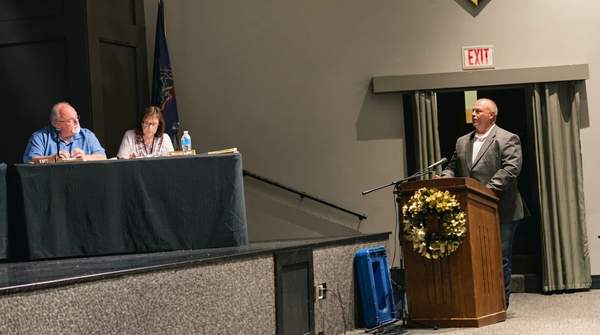

The approach to the station's development reflects the project's overall strategy: start with a functional, minimum viable product to get service running quickly. "We don't want to talk today about a train that will be great for your grandchildren," one official stated at a recent meeting. "We want a train for you, today, as soon as possible." This sentiment was echoed in discussions about the station itself. "You’re getting your wish. You’re going to get a basic platform to start with," officials noted, emphasizing function over form in the initial phase. The plan includes an estimated $3 million per year in "local return" funds for Fort Collins to use for station upgrades and improving local transit connectivity to the site.

Future of Front Range Passenger Rail in Colorado

A starter passenger rail service between Fort Collins and Denver is planned to launch by 2029, running three daily round trips on existing freight rail lines. This initial phase of the Front Range passenger rail plan will be funded using existing resources from the Regional Transportation District (RTD) and newly implemented state transportation fees, according to a Westword report. The overall plan is divided into two distinct phases, each with its own timeline and funding mechanism.

The project's full ambition—a robust intercity rail network extending south to Colorado Springs and Pueblo with more frequent service—hinges on securing a much larger source of public funding. Advocates are considering a ballot measure, possibly as early as this November, to ask voters for a sales tax increase to finance this expansion. If passed, funds would enable the project to increase service to 10 daily round trips by 2045 and build out the southern route. The starter line is a limited first step.

The discussion around a new sales tax occurs in the shadow of past transit promises. Colorado voters approved the multi-billion-dollar FasTracks transit expansion program more than two decades ago, yet several key rail corridors included in that plan remain unbuilt. Project proponents acknowledge this history and the need to rebuild public confidence. "One of the key pieces is restoring trust in the voters that we can follow through on commitments and get good things done," one stakeholder noted. Successfully launching the starter service by 2029 is seen as instrumental in demonstrating competence and building momentum for the voter-approved funding needed to realize the full vision of a connected Front Range.

What Happens Next

With a preferred station location identified in Fort Collins and a target launch date for starter service, the project now focuses on public engagement and financial planning. Immediate next steps involve gathering community feedback through a series of town halls scheduled for April in Longmont, Boulder, and Westminster. These events will give residents in other key corridor communities an opportunity to weigh in on the evolving plans.

The project's ultimate scope and timeline remain contingent on the potential sales tax measure. Local officials and transit advocates are reportedly gauging public opinion to determine if a ballot initiative this November is viable. The decision to proceed will likely depend on whether they believe voters are prepared to make another major investment in regional transit. As noted by CPR News, many key questions about the project's final cost, governance, and service details still need to be answered.

Planners continue technical work evaluating routes, infrastructure needs, and operational models. Concurrently, the public is invited to choose a name for the new rail service. The Front Range Passenger Rail District has launched an online survey to gather suggestions, aiming to build a brand identity for the train long before the first tickets are sold.