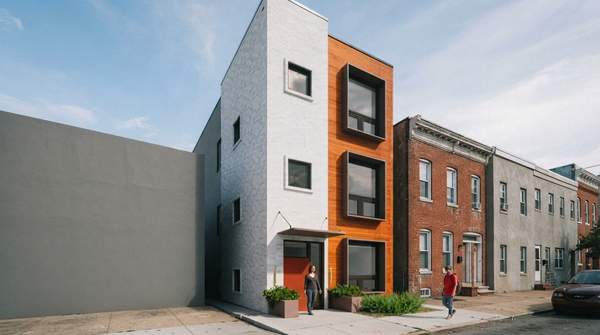
Despite countless public meetings and petitions, local residents cannot directly write, change, or expand the zoning laws dictating their neighborhoods’ development. Many citizens mistakenly believe they hold direct legislative power over local land use, but they are legally barred from creating or amending zoning ordinances. This disconnect frustrates community efforts and leads to disillusionment. Effective participation requires understanding these formal power structures and focusing efforts on influencing elected and appointed bodies, not attempting direct legislative action.
What Are Zoning Laws, and Who Really Writes Them?
Zoning laws are local regulations governing land use within a municipality or county. They dictate building height, density, and business types. However, citizens cannot create, amend, or expand these ordinances, according to Law Du. This legal framework establishes a clear hierarchy of authority.
Legislative power rests squarely with municipal and county governments, not individual citizens. Elected officials and appointed planning bodies hold exclusive authority to draft, review, and enact zoning changes. This centralization insulates fundamental development rules from direct popular will.
Navigating the System: How Citizens Can Still Influence Zoning
While direct legislative action on zoning is off-limits, citizens retain significant power through indirect avenues. Public hearings offer a way to voice concerns before decisions are made. Advocacy groups also organize community input and lobby elected officials on specific land use issues. This necessitates a strategic shift, where community input becomes a critical, albeit indirect, force in shaping policy.
Electoral pressure is another vital tool. Supporting candidates aligned with community visions for zoning can influence decision-making bodies. Citizens can also present data or form coalitions to highlight potential impacts of proposed zoning changes, guiding officials' legislative discretion.

The Real-World Impact of Zoning on Your Community
Zoning laws directly impact daily life, from affordable housing to local business character. Restrictive single-family zoning, for instance, limits housing options and drives up costs. Commercial zoning decisions determine where shops and services operate, affecting local economic vitality.
Zoning's bureaucratic nature also impacts environmental protection and neighborhood aesthetics. Decisions on green space, building materials, and infrastructure directly shape the physical environment. Informed participation is crucial, as these outcomes reflect the priorities of those holding legislative authority.
Common Questions About Citizen Roles in Zoning
How do zoning laws affect my property value?
Zoning laws significantly influence property values by determining allowable uses, density, and building size. A property zoned for single-family homes, for example, holds a different value than one zoned for multi-family or commercial development. Rezoning for higher density can increase a property's development potential and market value.
What is the process for changing zoning laws?
Changing zoning laws typically involves a multi-step process initiated by elected officials, a planning department, or a developer. This includes public notification, review by a planning commission, and public hearings for citizen input. The final decision rests with the city council or county commission, who vote on the proposed amendment after considering all feedback.
How can I get involved in local planning meetings?
Start by reviewing your local government's planning department website for meeting schedules and agendas. Identify proposals affecting your neighborhood to prepare informed comments. Engaging with community groups or neighborhood associations can also provide a collective voice and amplify your concerns.
Empowering Your Voice in Local Land Use
Sustained community effort, like that demonstrated by the City & Local Neighborhood Alliance over the past year (as of [Current Year]), appears likely to shape future development. Their advocacy for mixed-use zoning in the downtown core will see its first major project break ground by Q3 2026, demonstrating the tangible impact of organized, informed engagement on local policy.