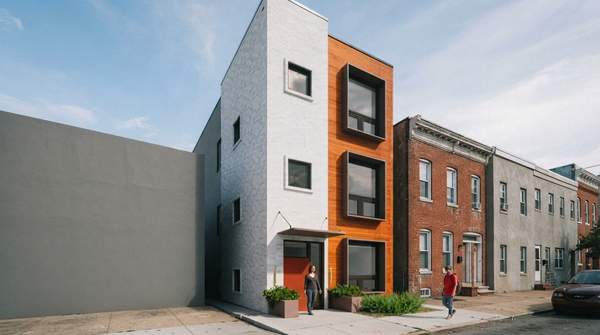
In Philadelphia's Kensington neighborhood, a $27 million, 61-unit apartment building is rising, marking the first major development by the city's housing authority in an area often overlooked. This new construction promises to bring much-needed affordable housing options to older adults within a community that has seen limited new development. For many seniors, this new structure represents a stable and secure place to live, allowing them to remain connected to their familiar surroundings.
Yet, cities are investing millions in new senior housing, but many projects still fall short of leveraging design principles proven to enhance residents' social and health outcomes. These substantial public investments, while addressing critical housing needs, sometimes miss opportunities for deeper community integration that could significantly improve daily life.
Future senior living models will increasingly be judged not just on affordability, but on their ability to foster genuine community and improve residents' overall well-being. This evolving perspective emphasizes a move beyond basic shelter toward creating holistic living environments that actively support social connection and healthy aging.
The Philadelphia Housing Authority (PHA) is opening a 61-unit affordable apartment building for seniors in Kensington, according to Inquirer. This project marks PHA's first major development in the Kensington neighborhood, bringing dedicated senior living options to a part of the city previously underserved by such large-scale initiatives. The presence of new, affordable community housing models in Kensington could significantly reshape local dynamics, providing a stable foundation for older residents to age in place with dignity.
For seniors residing in Kensington, this new construction offers more than just a roof; it signals a long-term commitment to the area's older population. The development aims to provide secure and accessible living spaces, fostering a stronger sense of belonging and engagement within their existing neighborhood. This focus on local integration directly influences how community housing models impact neighborhoods, offering a tangible example of urban renewal.

Beyond Bricks and Mortar: The Community Imperative
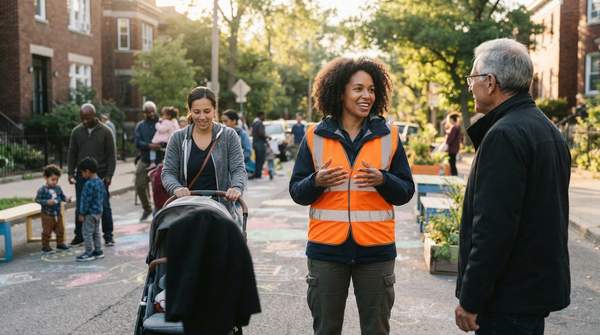
Mounting evidence suggests that living in a cohousing community has many positive outcomes for older adults, according to pubmed. Growing research indicates that well-designed community housing for seniors can extend beyond basic shelter, becoming a critical determinant of improved health and social well-being. Such models often reduce feelings of isolation and foster mutual support among residents.
A global scoping review, which will assess studies focusing on people aged 60 and older living in cohousing communities, further emphasizes this point. An ongoing academic effort highlights the increasing understanding that strong social connections and intentionally designed shared living environments significantly contribute to the overall quality of life for older adults. The benefits of community housing for seniors, particularly in cohousing settings, extend to enhanced mental health and greater physical activity.
Growing research indicates a recognition that senior housing should actively support social interaction and community engagement. Simply providing apartment units does not automatically create the conditions for optimal well-being. Instead, there is a clear need for more intentional and integrated design in new developments to truly serve their residents.
The Economic and Social Drivers of Senior Housing
The $27 million PHA project, built on city-owned land, underscores the substantial public investment required to address critical housing needs for older adults. The significant financial commitment highlights the urgent demand for affordable housing solutions within urban areas like Philadelphia, where many seniors struggle with rising living costs.
The apartments will be available to renters making less than 60% of the area median income, approximately $50,000 for a one-person household, according to Inquirer. These income restrictions ensure that the new housing specifically serves low-income seniors who face significant financial challenges in securing stable and affordable living arrangements. This targeted approach aims to provide critical support to those most in need within the community.
The substantial investment and strict income restrictions demonstrate the pressing need to address both housing insecurity and the financial difficulties faced by many older adults. While providing affordable shelter remains paramount, the integration of proven community-centric design principles could further enhance the long-term value and impact of such public investments on residents' lives.
Charting the Future of Integrated Living
Based on the Inquirer.com report of a $27 million investment in a 61-unit senior apartment building, coupled with pubmed's finding of "mounting evidence" for cohousing's positive outcomes, cities like Philadelphia are currently prioritizing basic shelter over maximizing the social and health potential of their senior housing projects.
- The Philadelphia Housing Authority is opening a 61-unit affordable apartment building for seniors in Kensington, representing a significant investment in basic shelter provision, according to Inquirer.
- "Mounting evidence" suggests cohousing communities yield "many positive outcomes for older adults" regarding social determinants of health, as reported by pubmed.
This suggests a disconnect where urgent housing provision, while vital, may not fully integrate designs proven to enhance residents' long-term well-being. The fact that PHA's project is a "first major development" in Kensington while a pubmed review is still charting global literature on cohousing benefits for seniors indicates that public housing authorities might miss a critical opportunity to integrate advanced community design into their revitalization efforts, potentially leaving residents with less than optimal social and health outcomes.
This scoping review aims to chart the extent and type of literature on cohousing communities and older adults' social determinants of health worldwide, according to pubmed. The comprehensive nature of this research suggests that future senior living developments will increasingly rely on evidence-based design to foster better health and social outcomes. Understanding different types of senior living communities, from traditional apartment complexes to more integrated cohousing models, will be crucial for optimizing future projects.
Designing for Well-being: A Long-Term View
- Philadelphia's $27 million investment in Kensington provides 61 new affordable units, directly addressing a critical need for senior housing in an underserved neighborhood.
- Cohousing models show "mounting evidence" of positive social and health outcomes for older adults, as documented in studies spanning from 1960 to 2022, according to pubmed.
- The current scoping review on cohousing, charting global literature, underscores a gap between proven benefits and their widespread application in new affordable housing developments.
- Integrating community-focused design principles into future senior housing projects could significantly enhance resident well-being, moving beyond basic shelter provision to foster thriving social environments.
By 2027, the Philadelphia Housing Authority (PHA) has an opportunity to review the Kensington project's social outcomes and consider integrating more explicit community design elements into its next 50-unit development, aligning with growing research on senior well-being and the evolving understanding of community housing models' impact on neighborhoods.