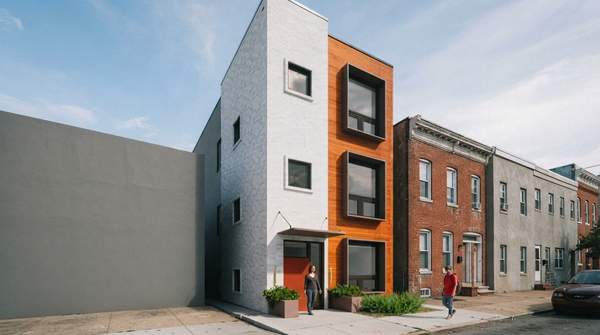
In U.S. cities, low-density residential zoning predominates, severely limiting housing opportunities for anyone who cannot afford a large home. This widespread preference for single-family housing, often on sprawling lots, creates a stark contrast to many other developed nations. It effectively restricts the availability of diverse housing types, impacting individuals and families seeking more affordable or varied living arrangements.
Cities often implement zoning to ensure orderly development and preserve neighborhood character. However, these very regulations frequently restrict housing supply and exacerbate social inequalities. This tension forms a core challenge in urban planning, pitting perceived community benefits against broader societal needs for accessible housing.
Based on current evidence, the continued reliance on restrictive local zoning laws appears likely to further intensify housing crises and deepen residential segregation across the United States. This ongoing impact necessitates a critical examination of how these regulations shape our communities.
What Are Zoning Laws, Anyway?
Zoning laws, at their most basic level, are municipal regulations governing how land can be used within a city or county. These rules dictate everything from building heights and setbacks to the types of structures permitted in specific areas. For instance, a residential zone might only allow single-family homes, while a commercial zone permits retail establishments.
These regulations directly contribute to the rising cost of housing. According to Cato, local zoning and land-use planning increase housing prices. By limiting the types and density of construction, zoning can create artificial scarcity, particularly in desirable urban areas.
Defining these land uses is a core function of urban planning departments across the country. Zoning ordinances establish a framework for how communities develop, influencing population density, infrastructure needs, and the overall character of neighborhoods. Understanding these foundational rules is critical to grasping their broader societal effects.

The Hidden Costs: How Zoning Fuels Inequality
Low-density zoning in U.S. cities is not merely an outdated policy; it is a direct legacy of racist and classist regulations that actively perpetuate housing unaffordability and segregation today. Zoning laws were historically used to separate communities based on race and income, and these regulations continue to increase housing costs and reinforce segregation patterns, according to pmc.
By restricting development to large, expensive lots, these regulations effectively exclude lower-income households and reinforce residential segregation. Furthermore, zoning and land use regulations restrict housing supply, which drives up housing prices when demand is strong, as reported by zoning, land use, and the reproduction of urban inequality. This artificial scarcity directly inflates housing costs. The combined effect of these historically rooted restrictions and supply limitations entrenches social divides, making affordable housing inaccessible to many.
The Uneven Playing Field: Who Benefits from Restrictions?
While restrictive zoning harms many, the potential for increased property values for specific parcels creates a powerful incentive for some to maintain the status quo. Existing homeowners in desirable, low-density areas frequently benefit from preserved neighborhood character and increased property values. Reducing development constraints generally increases property values, particularly for parcels ripe for development, according to Urban. This implies a powerful economic incentive for some landowners to resist widespread zoning reform, allowing them to profit from the very scarcity that drives housing unaffordability across the broader market.
For instance, a property owner with a large lot in a single-family zone might see its value increase significantly if that land were rezoned for multi-family development. However, the owner may oppose broader changes that would allow similar development across the neighborhood, preferring to capture the increased value of their specific parcel without diluting it across the market. This creates a complex political landscape where individual economic gains can conflict with the community's need for more affordable housing options.
Can Reform Make a Difference?
Even well-intentioned efforts to increase housing supply through reduced restrictions are often insufficient to meet regional demand, suggesting that piecemeal reforms are failing to dismantle systemic barriers to affordable housing. Upzoning, which increases allowed development and reduces restrictiveness, may lead to increased housing construction in the long term, though the magnitude of increase is limited compared to regional demand, states zoning change. A city might upzone several blocks, leading to new apartments, but if the metropolitan area needs tens of thousands of units, these changes are often a small fraction of what is required.
This limitation means isolated upzoning efforts are not a standalone solution to deeply entrenched housing crises. Systemic and widespread changes to zoning codes, coupled with other housing policies, are likely necessary to make a significant dent in affordability challenges. The incremental increases in construction from current upzoning efforts are frequently dwarfed by the sheer volume of housing needed to meet growing populations and address historical deficits.
Common Questions About Zoning Reform
What are the main types of zoning laws?
Zoning laws typically fall into several categories, including residential, commercial, industrial, and mixed-use. Residential zones, for example, are further subdivided by density, such as single-family, multi-family, or high-density apartment districts. Some modern approaches also include form-based codes, which regulate the physical form of buildings rather than strictly their use.
How do zoning laws impact community engagement?
Zoning laws significantly impact community engagement by requiring public hearings for proposed changes, allowing residents to voice concerns or support. This process can sometimes lead to what is known as NIMBYism ("Not In My Backyard"), where local residents oppose new development they perceive as negatively affecting their neighborhood. Conversely, active community participation can also ensure that new developments align with local needs and character. For more, see our What Are Zoning Laws and.
What are the benefits of flexible zoning laws?
Flexible zoning laws, such as those permitting mixed-use developments or transit-oriented development, can foster more vibrant and sustainable communities. These approaches allow for a greater variety of housing types and businesses within the same area, reducing reliance on cars and promoting walkability. For example, allowing small businesses on the ground floor of residential buildings can create more dynamic streetscapes.
Urban planning departments continue to grapple with complex zoning issues, with some potentially implementing significant changes to foster more inclusive growth through comprehensive overhauls rather than piecemeal reforms.