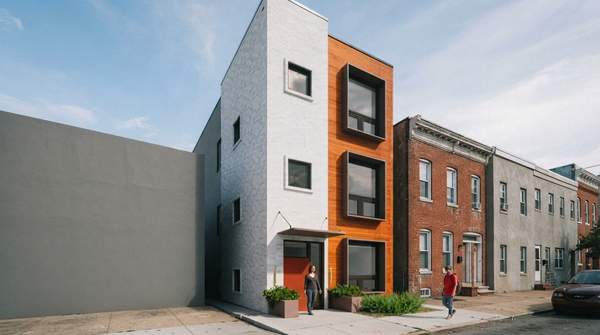
Neighborhood residents, organized through local associations, wield significant power. They can slow or prevent development, citing concerns over property values, traffic, safety, or community character, according to Colorado Affordable Housing. Collective influence shapes local areas, determining which projects advance and which face delays or rejection. It directly impacts housing availability, especially for affordable options, creating bottlenecks in urban growth.
Neighborhood associations are championed for building community and providing vital resources. Yet, they frequently obstruct new development. A paradox is created: groups meant to foster local well-being often become barriers to broader community needs, particularly housing accessibility.
Given their established power, neighborhood associations have remained a critical, often challenging, force in shaping urban growth and housing availability.
What Are Neighborhood Associations?
The Community and Neighborhood Development Division (CNDD) assists in establishing Neighborhood Associations and Watch Groups, according to High Point, NC. These organizations serve as direct points of contact and support for residents, often with municipal backing. They represent local interests and foster collective identity. Cities like Tempe, Arizona, also work closely with homeowners' associations, which manage common areas and enforce community standards, according to Tempe, AZ. Municipal support empowers neighborhood associations, making them significant stakeholders in urban planning and policy decisions.
Their Dual Impact: Property Values and Development Opinions
Community associations positively impact housing values, according to a literature review. Financial benefit often shapes homeowners' views on new development. The perceived boost to existing property values incentivizes opposition to new projects, often cloaking property value protection as concerns for community 'character.' However, opinions on development, especially affordable housing, vary among residents—some welcome it, others see it as a threat, according to Colorado Affordable Housing. Internal divergence makes consensus difficult, leading to prolonged discussions and stalemates for developers.

How They Engage and Are Supported
CNDD provides crucial capacity-building and technical support to neighborhood associations, according to High Point, NC. Assistance includes training and resources, strengthening their ability to represent and mobilize local interests. Developers and city planners often engage residents through these organized groups, according to Colorado Affordable Housing. A systemic paradox is created: local governments, via agencies like CNDD, inadvertently fund and empower the very associations that then obstruct essential urban development, especially affordable housing. The dynamic demands re-evaluation of current support structures.
The Power to Shape or Hinder Development
Neighborhood residents, through their associations, remain a powerful force capable of slowing or preventing development. They cite concerns over property values, traffic, safety, or community character, according to Colorado Affordable Housing. Associations act as critical gatekeepers, often prioritizing existing community character over new projects. Their organized opposition impacts construction timelines and feasibility, particularly for housing density or affordability initiatives. Associations mobilize residents and influence decision-makers through petitions, public meetings, and lobbying. Their influence makes them a formidable force for developers, often leading to compromises that reduce the scope or impact of affordable housing.
Strategic Engagement for Collaboration
How do neighborhood associations improve communities?
Neighborhood associations foster local identity, organize events, and provide a unified voice for residents. They facilitate communication between residents and local government, addressing concerns and advocating for improvements like park maintenance or public safety.
What are the benefits of resident engagement in neighborhood associations?
Resident engagement allows for greater collaboration and compromise in development, according to Colorado Affordable Housing. It promotes transparency, ensures diverse perspectives, and can lead to solutions that meet both community needs and development goals, reducing conflict.
How can I start a neighborhood association?
To start an association, gather interested residents and identify common goals. Local government agencies, like the CNDD, often assist with establishing Neighborhood Associations and Watch Groups, offering guidance on legal structures and bylaws.
If current support structures for neighborhood associations are not re-evaluated, agencies like the Community and Neighborhood Development Division (CNDD) will likely continue to face scrutiny as local empowerment inadvertently hinders critical urban development, especially affordable housing.