Neighborhoods

A Guide to Hidden Gem Parks for Relaxation and Recreation in U.S. Cities

Explore a guide to hidden gem parks across U.S. cities, offering diverse options for relaxation and recreation. Whether you seek vast natural landscapes or quiet urban gardens, find your perfect escape.

AB
Aaron Blake

April 9, 2026 · 4 min read

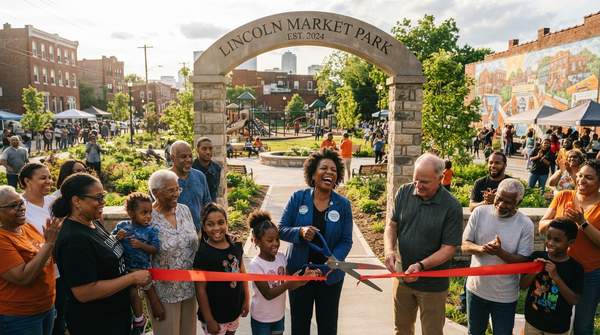
A beautiful, sun-drenched hidden urban park with diverse people enjoying quiet activities, showcasing a peaceful escape within a bustling U.S. city.

Finding the best hidden gem parks for relaxation and recreation often depends on an individual's specific needs. While some seek vast natural landscapes for immersion, others may prefer a small, secluded garden for a quiet lunch break or a dedicated trail for a convenient urban hike. The data suggests that across the country, cities offer a variety of lesser-known green spaces that cater to these different use cases, from large-scale arboretums to unique, community-driven projects.

Parks were selected and grouped based on their primary appeal as described by local and travel sources, focusing on criteria such as physical scale, specific recreational offerings, and unique community features.

For Large-Scale Nature Immersion

For residents seeking an escape into expansive nature without leaving the city, certain park systems offer significant acreage that allows for a sense of seclusion. Boston provides a notable example of this. According to an analysis by worldatlas.com, the city is an "underrated gem for nature lovers," in part because its green spaces are reportedly well-maintained and not overwhelmingly crowded. This combination can provide a peaceful and tranquil experience.

Two key park areas illustrate this point. The Arnold Arboretum of Harvard University is a 281-acre living museum of trees and shrubs, offering extensive grounds for walking and exploration. Even larger is the Emerald Necklace, a network of connected parks and parkways that covers 1,100 acres. The sheer size of these areas means that even on busy days, it is often possible to find a quiet path or a secluded bench. It's worth noting that while these parks are well-known entities, their scale allows them to contain countless "hidden gem" locations within their boundaries. A limitation, however, is that navigating such large areas can require more planning than a visit to a simple neighborhood park.

Finding Quiet Spots in Urban Parks for a Peaceful Break

In contrast to large, sprawling parks, another type of hidden gem is the small, secluded garden tucked away in a dense urban environment. These spaces are designed for quiet contemplation rather than active recreation. According to secretlosangeles.com, there are at least 14 such hidden gardens around Los Angeles. The publication describes these locations as offering a "lush escape" from the surrounding city.
This use case is for individuals looking for a brief respite—a place to read a book, meditate, or simply sit in a green environment for a few minutes. These gardens often feature curated plantings, water features, and intentional design aimed at fostering a calm atmosphere. The primary strength of these spaces is their accessibility for a quick break. The main trade-off is that they are, by definition, hidden and may have limited public hours or less visibility than larger municipal parks, requiring some research to locate.

For Active Recreation and Hiking

Some urban dwellers prioritize recreation and fitness in their search for green space. For this purpose, hidden trails offer a valuable resource. In Arlington, Texas, the city’s parks department has highlighted the availability of such amenities. According to arlingtontx.gov, Arlington Parks contain "hidden gem trails suitable for hiking." This trend is indicative of how municipal park systems are catering to residents who want to engage in activities like running and hiking without a long commute to more rural areas.

These trails serve a distinct purpose: providing a structured path for physical activity within a natural setting that is still close to home. The key benefit is convenience. However, a potential limitation is that the scope of these urban trail systems may be limited compared to state or national parks, and the provided information does not detail specific trail lengths or difficulty levels.

For Unique, Community-Driven Spaces

Perhaps the most unique hidden gems are those born from local community efforts. These spaces often serve a highly specific purpose and reflect the character of their neighborhood. A recent example comes from Philadelphia, where a resident transformed a formerly abandoned playground. According to a report from philadelphia.today, the space in the Mantua neighborhood is now a "calm, relaxing cat park."

These hyper-local parks provide specialized relaxation for a niche audience. Their strength lies in a deep connection to the local community, representing a grassroots approach to urban greening and impacting community development and economic growth. However, their singular nature means they serve only a small population and are not intended for broad public use like municipal parks.

Park/ConceptBest ForKey MetricKey Strength
Boston's Large Park SystemsNature Immersion281 to 1,100+ acresExpansive scale allows for finding tranquility
Los Angeles' Hidden GardensSecluded Escapes14 gardens identified by one sourceLush, intentionally designed quiet spaces
Arlington's Hidden TrailsUrban HikingTrail-basedConvenient access to recreational activity
Mantua Cat Park (Philadelphia)Niche RelaxationSingle locationUnique, community-driven concept

The Bottom Line

The ideal hidden gem park varies significantly based on the user's specific goal. For those seeking large-scale nature, extensive park systems in cities like Boston offer thousands of acres to explore. Conversely, a quick, quiet escape might lead to curated lists of small, hidden gardens in urban centers such as Los Angeles. Furthermore, examples from Arlington and Philadelphia demonstrate that other hidden gems provide specific functions, ranging from accessible hiking trails to unique, community-built spaces for niche relaxation.