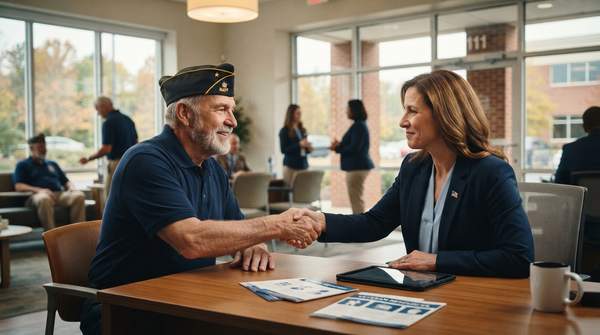
According to the 2023 New Resident Integration Study, more than 60% of new residents feel 'lost' or 'overwhelmed' by local services in their first six months, despite a wealth of resources designed to help them, according to the New Resident Integration Study 2023. Newcomers arrive eager to settle, but often struggle to navigate the very systems meant to support their integration. The struggle to navigate systems risks delayed integration, missed opportunities, and a less fulfilling community experience if they don't proactively engage with local government and community services.
Understanding Local Government and Community Services
The city allocated $1.5 million to 'New Resident Welcome & Information Programs,' according to the City Council Budget Report 2022. Yet, over 60% of new residents still feel 'lost' or 'overwhelmed' by local services within their first six months, the New Resident Integration Study 2023 found. The fact that over 60% of new residents still feel 'lost' or 'overwhelmed' reveals that simply providing resources does not guarantee effective utilization or accessibility. Municipalities risk wasting funds on traditional welcome programs if they fail to rethink how new residents actually seek and consume local information. The current reliance on informal social media groups means many miss out on formal government support.
Beyond the Basics: What Local Government Actually Does
Local government directly funds and manages the foundational services that shape daily life, safety, and community structure. Property tax revenues fund essential services like schools, roads, and emergency response, according to the Local Government Finance Dept. Emergency services—police, fire, and EMS—are managed locally by the Emergency Management Agency. Local zoning laws dictate development and impact property values, as stated by the Zoning Commission. Water and sewer services, crucial for public health, fall under local utility boards. These functions are not abstract; they directly affect every resident.
Unlocking Your Community's Hidden Gems
Beyond basic utilities, a vast array of specialized services exists to enhance personal well-being, education, and convenience, often at low or no cost. Local libraries offer free workshops on job searching, language learning, and digital literacy, according to the Public Library Annual Report. Community centers provide affordable access to fitness classes, youth programs, and senior activities, fostering social connection, as highlighted by the Parks & Rec Dept. Public transportation, often overlooked, can save significant commuting costs and reduce traffic, according to the Transit Authority. These resources provide crucial support for personal and professional development for all residents, waiting to be discovered by newcomers.