Local authorities reverse retroactive trash fee hike after resident outcry

One elderly resident, facing a $300 unexpected bill for trash services already rendered, burst into tears of relief when the city council announced the full reversal of the retroactive fee hike.

DM
Derek Molina

April 15, 2026 · 3 min read

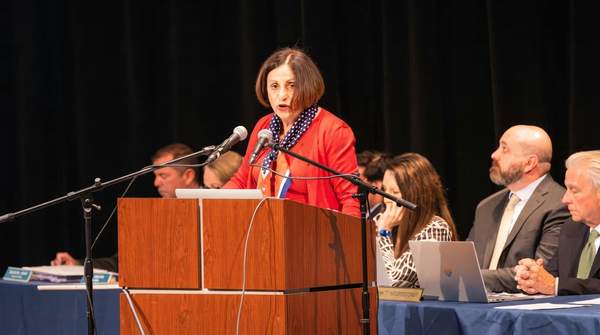
City hall with residents protesting, a city council member announces the reversal of a retroactive trash fee hike, bringing relief.

One elderly resident, facing a $300 unexpected bill for trash services already rendered, burst into tears of relief when the city council announced the full reversal of the retroactive fee hike. This decision spared many vulnerable households from immediate financial strain, providing a critical reprieve across the community.

Local authorities had sought to address a budget deficit by imposing a retroactive trash fee, but the immediate and overwhelming public backlash forced a complete policy reversal. The local authorities' quick capitulation suggested a surprising lack of political will or contingency planning for resident dissent regarding the retroactive trash fee hike in 2026.

While public pressure can force immediate policy changes, the underlying issues of municipal financial transparency and sustainable revenue generation appear likely to persist, potentially leading to future fiscal crises.

In October 2023, the City Council voted 7-0 to rescind the controversial retroactive trash fee, impacting 25,000 households, according to City Council Minutes. This fee, averaging $120 per household, aimed to cover a $3 million budget shortfall from the previous fiscal year, as detailed in the Municipal Finance Report from September 2023. Public opposition quickly mounted: over 5,000 residents signed a petition against the fee within 72 hours, according to Local Activist Group 'Citizens for Fair Fees'. The immediate reversal showed the potent influence of organized public opposition on local policy, even with pressing financial needs. The rapid community response revealed a critical failure in public trust and communication, exposing a disconnect between the city's fiscal needs and public willingness to accept new burdens.

How Residents Responded

Many residents, particularly those on fixed incomes, delayed essential bills to cover the unexpected trash fee, according to a Community Survey by 'Our Town Voice'. The financial ripple effect was immediate: a local food bank reported a 15% increase in requests for assistance, with clients citing the new charge, states the Local Food Bank Annual Report. Public forums saw over 300 residents speak out, according to City Clerk Records. The local newspaper received more letters to the editor on this topic than any other in five years, as documented in the Daily Herald Archives. This swift financial strain on ordinary citizens, coupled with their unified opposition, proved an irresistible force against the city's decision. This collective action proved the power of local voices in shaping municipal policy.


City's Financial Challenges

The $3 million budget shortfall stemmed from unexpected increases in infrastructure maintenance and a decline in state aid, according to the City Treasurer's Statement from October 2023, impacting the 2023 fiscal year. City officials stated alternative revenue streams, like property tax increases or service cuts, were politically unfeasible or detrimental, as reported at the Mayor's Press Conference in September 2023. The city's bond rating was also downgraded from AA+ to AA, due to concerns about long-term financial stability, noted the Moody's Investor Service Report from August 2023. While unpopular, the fee reflected the city's difficult choices in balancing its budget, revealing systemic pressures on municipal finances that remain unaddressed. Relying on a retroactive fee suggested a fundamental failure in proactive financial forecasting and transparent budgeting, forcing authorities into desperate, politically damaging measures instead of gradual adjustments.

Improving Financial Transparency

A recent audit revealed the city's financial reporting system had not been updated in over a decade, delaying identification of budget issues, according to an Independent Audit Report from July 2023. This outdated system contributed to opaque revenue streams that led to the retroactive trash fee. Citizen engagement also played a role; only 15% of eligible voters participated in the last municipal election, suggesting low involvement in local governance outside of crises, based on County Election Board Data. Neighboring towns, in contrast, use citizen budget committees and public financial workshops, leading to greater transparency and fewer fiscal surprises, according to a Regional Planning Commission Study. The incident demands proactive financial transparency, modernized practices, and sustained citizen engagement to build trust and prevent future fiscal emergencies. The tears of relief from an elderly resident facing a $300 bill confirm that municipal financial missteps disproportionately harm the most vulnerable, eroding public trust and turning abstract deficits into concrete human suffering.

The municipal budget now faces an unresolved $3 million revenue shortfall, as noted in the Municipal Finance Report, which will require new strategies from city officials by Q4 2026.