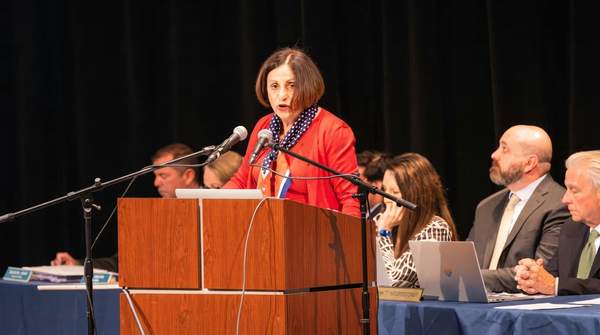
New York City's preliminary budget for fiscal year 2027 clocks in at a staggering $127 billion. Yet, beneath that impressive sum, the city faces projected out-year gaps totaling $20.5 billion from FY 2028 to FY 2030, according to the Office of the New York City Comptroller (OSC). The $20.5 billion projected out-year gaps signal potential strains on the public services we rely on daily, from schools to sanitation.
Local governments deploy sophisticated budgeting techniques and explore new revenue options, but still grapple with massive projected deficits, revealing a critical tension across many municipalities. These shortfalls threaten the stability of vital public services. It's a complex dance between fiscal responsibility and community needs.
Persistent fiscal challenges and lagging revenue adjustments mean local governments will likely continue making difficult choices. These choices involve tax increases, service cuts, or innovative—yet often insufficient—new funding mechanisms. Residents will feel the impact directly. Understanding how local government budgeting affects public services in 2026 means looking beyond the headlines.
The Fiscal Tightrope: Why Local Budgets Are So Hard
Local property taxes have dipped, consistent with a two- to three-year lag between home prices and property tax rolls, according to Brookings. The two- to three-year lag between home prices and property tax rolls forces local governments into a perpetual game of catch-up. Proactive financial planning becomes nearly impossible, ensuring future budget crises remain reactive scrambles. Local property taxes dipping confirms local government revenues are highly susceptible to economic downturns and market fluctuations. The susceptibility of local government revenues to economic downturns and market fluctuations creates significant instability for budget planners. New York City's fiscal year 2027 preliminary budget, despite its $127 billion scale, grapples with these foundational challenges.
Crafting the Budget: A Multi-Stage Process
Taking stock of the current economic climate is often the first step in local government budget planning. Taking stock of the current economic climate helps assess the upcoming budget cycle and prepare staff, states GovPilot. The initial assessment of the current economic climate sets the stage for rigorous analysis. For example, a 'stress test' helps local leaders evaluate federal fund flow, assess executive order impacts, identify at-risk funding, and gauge effects on local governments and economies, according to Drexel University. Proactive economic assessment and rigorous risk analysis are crucial for building resilient, transparent local budgets. It means looking ahead and preparing for potential shifts, not just reacting.