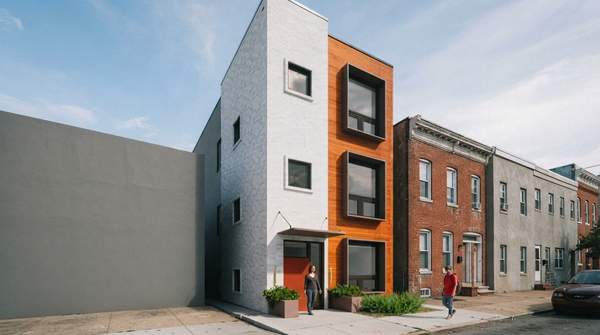
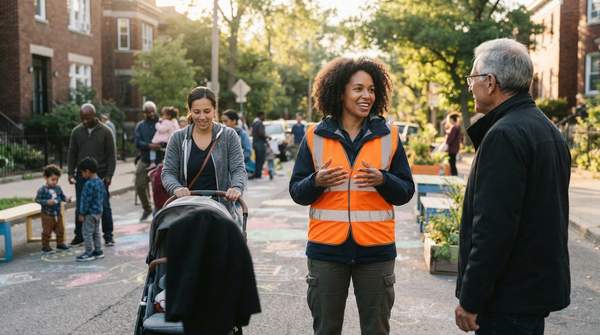
New York City's artist population has decreased by more than 4% since 2019 (historical data), marking the first sustained decline in decades. Some iconic neighborhoods have lost over half their artists, according to The Guardian. This drop is particularly acute in areas like the Upper West Side, where artist numbers fell almost 32%, and in the Lower East Side and Chinatown, which saw declines of over (historical data) 55% in the last decade. Such a dramatic exodus from a global cultural capital reveals a fundamental flaw in urban planning: the inability to balance economic growth with cultural preservation.
Cities pursue urban renewal and affordable housing initiatives. Yet, these efforts often fail to protect—or even actively displace—the cultural communities that define a city's character. The push for affordable housing, particularly for seniors, inadvertently accelerates the displacement of cultural groups. This directly diminishes the unique vibrancy these communities provide.
Without a deliberate, integrated approach to cultural preservation within urban planning, cities risk becoming economically vibrant but culturally sterile. They lose the very soul that attracted people in the first place.
The Unintended Costs of Growth
New York City has not built any artist-preferred housing units since 2015 (historical data). This directly contributes to the sustained decline in its artist population. This lack of targeted housing, coupled with broader community divisions, reveals a systemic oversight in urban planning that exacerbates cultural displacement. For instance, residents in Princeton, NJ, are divided over a proposed development, according to Realtor. Such local friction demonstrates how new projects can undermine community cohesion. The absence of dedicated artist housing, combined with ongoing community tensions over development, means urban planning consistently overlooks the specific needs of cultural groups. This oversight erodes unique urban identities, even as cities prioritize growth.
Targeted Solutions, Broader Gaps
The first phase of Heritage Park's redevelopment in Raleigh includes a 51-unit senior housing development, according to RaleighNC. The City of Raleigh committed $1 million in gap financing for this development (historical data). While beneficial, such initiatives target specific demographics without addressing the broader needs of diverse cultural communities. This narrow focus on groups like seniors, while providing affordable housing, overlooks the wider spectrum of cultural needs. It risks replicating the policy blind spots that led to New York City's artist population decline.