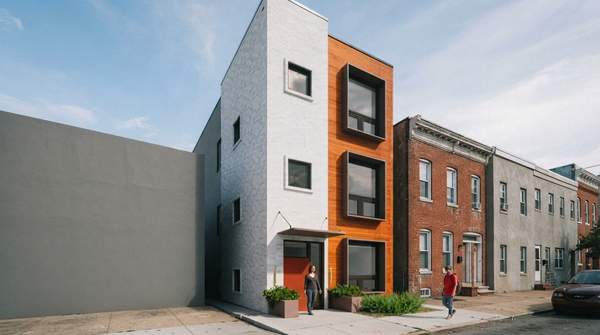
In the United States, low-density residential zoning predominates, effectively limiting housing opportunities for millions who cannot afford large homes, according to PMC. This widespread preference for single-family housing creates an artificial scarcity in urban areas, pushing prices higher and making homeownership increasingly out of reach for many families. The impact of local zoning laws on urban development continues to shape who can live where, often determining access to jobs, schools, and essential services.
Zoning laws are ostensibly designed for orderly urban planning, guiding where commercial buildings, industrial zones, and residential areas can be located. Yet, these regulations actively restrict housing supply, particularly for diverse housing types like multi-family units, and intensify residential segregation. This tension between their stated purpose and their practical outcomes forms a central challenge for community development.
As housing demand continues to outpace supply in many urban areas, the persistence of restrictive zoning will likely deepen affordability crises and widen socioeconomic divides. This system, often perceived as a neutral planning tool, actively prices out lower-income residents and cements racial segregation, creating lasting barriers to equitable community growth.
In American cities, low-density residential zoning is a more prevalent feature than in many other nations, according to PMC. This means vast swathes of urban land are reserved exclusively for single-family homes, often on large lots. Such regulations severely limit the construction of smaller, more affordable housing options, such as duplexes, townhouses, or apartments.
This widespread preference for low-density housing has profound, often unseen, consequences for urban development and social equity. It reduces the overall housing stock, making it difficult for communities to grow organically and accommodate new residents. This restrictive approach also drives up the cost of land, which translates directly into higher housing prices across the market.
What Are Zoning Laws, Anyway?
Zoning laws are local government ordinances that divide a municipality into various districts or zones, specifying the types of land uses permitted within each. For example, a zone might be designated for residential, commercial, or industrial purposes. These regulations also control building height, lot size, and the density of development.
These zoning and land use regulations directly restrict housing supply, which drives up housing prices when coupled with strong demand, according to PMC. By dictating minimum lot sizes or prohibiting multi-family dwellings in certain areas, zoning artificially limits the number of homes that can be built. These regulations are the invisible architects of our cities, dictating not just building types but also influencing who can afford to live where.
The Hidden Cost of 'Community Character'
Many communities champion restrictive zoning under the banner of preserving "community character" or maintaining property values. However, local zoning laws increase housing prices, according to ScienceDirect. This rise in prices is not a benign side effect; it is a direct result of limiting the supply of available housing, particularly in desirable urban and suburban areas.
The cumulative effect of these restrictions is an artificial scarcity that makes housing increasingly unattainable for many. For instance, requiring large minimum lot sizes means fewer homes can be built on a given parcel of land. This reduces the overall availability of housing units, making existing homes more expensive and pushing lower-income residents out of certain neighborhoods.
Beyond Economics: Zoning's Social Legacy
The origins of modern zoning regulations are not purely about orderly development; they are rooted in historical classist and racist policies. Zoning regulations have racist and classist origins, make housing more expensive, and reinforce segregation patterns, according to PMC. Early zoning efforts often explicitly aimed to separate racial and socioeconomic groups, a practice that, while no longer overt, continues through seemingly neutral regulations today.
For example, single-family zoning often correlates with areas of higher income and predominantly white populations. By restricting the construction of multi-family housing, these laws effectively prevent lower-income and minority families from moving into these neighborhoods. Far from being neutral planning tools, zoning laws have historically been, and continue to be, instruments of social stratification and exclusion, limiting access to resources and opportunities for many.
A Shifting Landscape: The Push for Reform
Across the United States, a growing number of cities and states are recognizing the detrimental impact of restrictive zoning and are exploring reforms. These efforts aim to dismantle regulations that limit housing supply and perpetuate segregation. Many communities are considering policies like allowing duplexes or triplexes in areas previously zoned exclusively for single-family homes.
A growing recognition of zoning's impact on urban equity and economic vitality is driving reform efforts. Advocates argue that modernizing zoning codes can foster more inclusive communities, increase housing options, and make cities more resilient. These changes are vital to address the housing crisis and create more equitable access to urban resources.
Common Questions About Zoning's Impact
What are the stated benefits of restrictive zoning?
Proponents of restrictive zoning often argue it helps manage urban growth, ensures public safety, and protects environmental resources. It can also be used to prevent incompatible land uses from co-existing, such as industrial factories next to residential homes. These regulations can also help plan for necessary infrastructure like roads and utilities.
How are zoning laws changing urban development in 2026?
Many communities are moving towards more flexible zoning codes, including policies like upzoning, which allows for increased housing density. Some cities are also implementing "missing middle" housing initiatives, permitting duplexes, triplexes, and small apartment buildings in areas traditionally reserved for single-family homes. These shifts aim to diversify housing options and address affordability challenges.
How do zoning laws specifically intensify residential segregation?
Local zoning laws intensify residential segregation by limiting the types of housing that can be built in certain areas, particularly single-family zoning which often prohibits more affordable multi-family units, according to ScienceDirect. This effectively creates economic barriers, making it difficult for lower-income households, often disproportionately minority groups, to move into higher-opportunity neighborhoods. The result is a perpetuation of historical patterns of separation.
The Path Forward: Reimagining Our Cities
The persistent dominance of low-density residential zoning in American cities isn't merely an outdated planning relic; it's an active, systemic barrier that perpetuates housing unaffordability and entrenches residential segregation. These regulations have tended to reduce the supply of housing, including multifamily and low-income housing, leading to housing affordability problems in many U.S. cities, as reported by the CATO Institute. This artificial scarcity, driven by policies ostensibly for 'orderly development,' actively undermines the economic mobility of millions.
Addressing the housing crisis requires a fundamental rethinking of how local zoning laws shape our communities and limit access to opportunity. Reform efforts, such as those seen in California's recent statewide upzoning initiatives, aim to increase density and diversify housing options. By 2028, many urban planning departments expect a significant shift toward more inclusive zoning practices, with at least 50 major cities projected to adopt substantial reforms, paving the way for more equitable and vibrant urban centers.