By 2050, annual solid waste production is projected to surge by 70% compared to 2016 levels, creating immense pressure on urban infrastructure and public health. With nearly half of this accumulation still ending up in landfills, cities face an escalating waste crisis that reflects a broader unsustainable trajectory in urban development, demanding urgent and radical shifts in how urban planning is approached. Environmental strain highlights the imperative for innovative solutions like the 15-minute city model.
However, intense urbanization also contributes to significant environmental degradation and pollution. While the 15-minute city is proposed as a solution, it encounters substantial resistance. Practical concerns about deeply entrenched car dependency and the pervasive spread of misinformation actively undermine its potential.
Ultimately, while the 15-minute city model presents a compelling vision for sustainable urban living and creating accessible neighborhoods, its widespread adoption and positive impact appear contingent on proactive public engagement, adaptive policy-making, and robust communication strategies to overcome both legitimate criticisms and unfounded fears in the coming years and beyond.
What is a 15-Minute City?
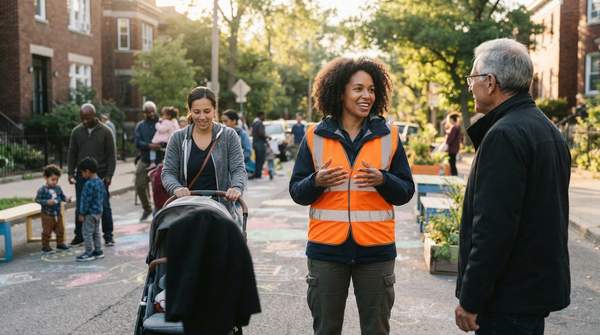
The 15-minute city concept aims to ensure that residents can reach essential daily services and amenities within a quarter-hour walk or bike ride from their homes. This includes ready access to groceries, healthcare facilities, schools, public parks, and workplaces. The core goal of 15-minute cities is to reduce traffic congestion and emissions that contribute to global warming, according to the BBC.
At its heart, the model represents an urban planning philosophy focused on creating hyper-local, self-sufficient neighborhoods. The design seeks to directly combat climate change and enhance overall community well-being. By prioritizing proximity, these cities encourage active transport methods like walking and cycling, thereby reducing reliance on private vehicles and fostering more vibrant, localized economies. This approach can also strengthen social bonds as residents interact more within their immediate surroundings.
Putting the Concept to the Test
Implementing the 15-minute city model requires careful consideration of existing urban layouts and the specific needs of diverse populations. Before widespread adoption, cities often undertake feasibility studies to understand how the theoretical benefits translate into practical application.
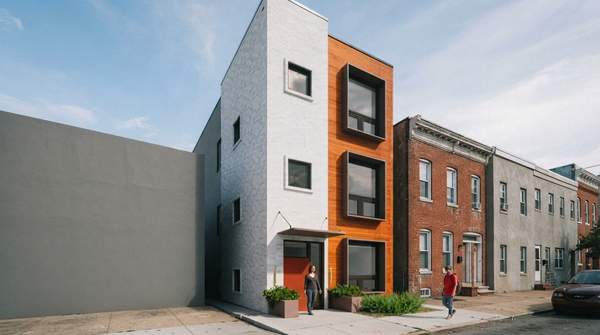
For instance, a study explored the feasibility of implementing the 15-minute city model in Greek cities, specifically Thessaloniki, as reported by PMC. Such real-world investigations are crucial for understanding how the theoretical benefits of 15-minute cities can be adapted into actionable urban planning strategies across diverse cultural and infrastructural contexts. These studies help policymakers identify infrastructure gaps, assess community requirements, and anticipate potential challenges.
Ultimately, adapting the model to unique local characteristics, such as varied population densities, existing public transit networks, and geographical features, remains key to successful implementation. This ensures that proposed changes genuinely serve local residents rather than imposing a uniform solution. Practical consideration also involves understanding the economic implications and potential for job creation within these localized zones.
The Roadblocks: Why Not Everyone is on Board
Despite its environmental vision, the 15-minute city model faces significant practical challenges and public resistance. A primary concern is that cars remain essential for many livelihoods, particularly for those commuting across larger metropolitan areas or requiring specialized transport for work, according to the BBC. This reliance on personal vehicles is deeply ingrained in many urban and suburban lifestyles.
Furthermore, alternative transport options, such as public transit or extensive cycling networks, are not always accessible or adequate for all residents. This is particularly true in areas with underdeveloped infrastructure or for individuals with specific mobility challenges. The proposed environmental solution directly conflicts with current practical mobility needs, highlighting a significant barrier to public acceptance.
The tension between the 15-minute city's environmental goals and public resistance due to essential car use indicates that policymakers must prioritize robust, accessible alternative transport infrastructure before expecting widespread adoption. Without these fundamental changes, there is a substantial risk of alienating the very populations urban planning aims to serve, hindering progress towards sustainable urban development.
The Broader Crisis: Why Urban Planning Needs a Rethink
Intense urbanization poses significant threats to overall sustainability, including widespread environmental degradation, increased pollution, and amplified climate change impacts, as detailed by PMC. The escalating environmental and social costs of unchecked urban growth underscore the urgency for transformative urban planning models that prioritize both sustainability and livability for future generations.
The PMC study's projection of a 70% surge in solid waste by 2050, combined with the deep-seated car dependency reported by the BBC, indicates that without radical shifts in urban planning and public perception, cities are on a collision course with an unmanageable environmental crisis. This self-defeating cycle, where the problem (car reliance) prevents its own solution (15-minute cities), complicates efforts to address urban crises effectively.
Moreover, a critical solution to this urgent environmental problem is being actively sabotaged by misinformation. The battle for sustainable urban development is not just about policy or infrastructure; it is a socio-political challenge against deeply ingrained habits like car dependency and the active spread of disinformation, making implementation far more complex than initially perceived.
Addressing the Noise: Debunking 15-Minute City Myths
Conspiracy theories falsely claim that 15-minute cities are designed to control populations and restrict freedom of movement, according to the BBC. The widespread propagation of misinformation regarding 15-minute cities suggests that the fight for urban sustainability is now as much a battle against disinformation as it is against environmental degradation. The critical need for clear communication and public education to ensure urban planning initiatives are understood based on facts, not fear, and to counter unfounded conspiracy theories is highlighted.
What are the benefits of 15-minute cities?
Beyond their primary goal of reducing carbon emissions, these urban models can foster stronger local economies by encouraging patronage of neighborhood businesses and services. They also improve public health outcomes by promoting increased physical activity through walking and cycling, potentially lowering community healthcare costs related to sedentary lifestyles. Enhanced community cohesion often results from increased pedestrian activity and shared public spaces, strengthening local identity.
Examples of successful 15-minute cities?
While no city has fully achieved the ideal 15-minute model across all its neighborhoods, several urban centers are actively integrating its principles. Paris, under Mayor Anne Hidalgo, has been a prominent advocate, implementing policies to decentralize services and create "urban villages" that reduce daily commutes. Portland, Oregon, has also adopted similar strategies, focusing on creating walkable neighborhoods and robust public transit to improve local accessibility and reduce car dependence.
The Future of Urban Living
The vision of 15-minute cities offers a compelling pathway toward more sustainable and livable urban environments, promising reduced commutes and improved air quality. Their successful implementation, however, hinges on effectively navigating deeply entrenched car dependency and proactively combating pervasive misinformation that distorts their true purpose.
Ultimately, the widespread adoption of these models will depend on a balanced approach that embraces their sustainable vision while pragmatically addressing implementation hurdles and fostering informed public discourse. Without clear communication strategies and a commitment to developing robust, accessible alternative transport, the transformative potential for 15-minute cities to reshape urban life could be significantly limited.
By 2026, local planning departments in numerous cities will need to actively engage community leaders and residents to build trust and tailor solutions that fit specific neighborhood needs. This collaborative effort is essential to ensure these urban innovations truly serve everyone, rather than exacerbating existing inequalities or creating new forms of resistance.