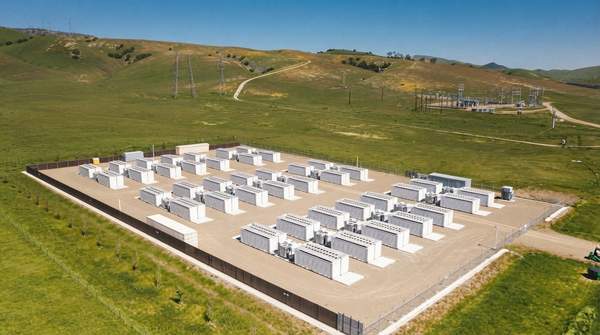
As large-scale battery energy storage systems (BESS) are increasingly proposed for neighborhoods across the country, community pushback is growing, fueled by fears of catastrophic fires and toxic emissions. From New York to California, residents are organizing protests and demanding action, prompting local and state governments to consider new laws, including construction moratoriums and mandatory safety setbacks from homes and schools.
The conflict pits the need for grid stability, which these battery arrays provide, against what the U.S. Environmental Protection Agency (EPA) calls "legitimate safety concerns." Recent fires at BESS facilities, including two in New York's Hudson Valley in 2023 and another at the Valley Center Energy Storage Facility in San Diego County, have intensified public anxiety and galvanized opposition to new projects proposed near residential areas.
The EPA's Warning: Fire and Toxic Emissions
The core of community concern is rooted in the unique dangers associated with lithium-ion battery technology. According to the EPA, BESS incidents present significant challenges for first responders and host communities. The agency warns that lithium battery fires are exceptionally difficult to extinguish and carry the risk of reigniting hours or even days after being controlled. This creates the potential for prolonged and dangerous emergency situations.
Beyond the fire itself, the EPA highlights the health risks posed by emissions. When these batteries burn, they can release harmful gases, endangering nearby residents and emergency personnel. Following an incident, the environmental impact continues, as the proper cleanup and disposal of damaged batteries require specialized procedures to mitigate contamination. These federally identified risks form the technical basis for the fears expressed by residents who see the facilities as a threat to their neighborhoods.
BESS Risks, Community Concerns, and Regulatory Actions
The direct line from technical hazard to political action is becoming increasingly clear as communities organize. The specific risks identified by federal agencies are fueling distinct community fears, which in turn are leading to targeted legislative and regulatory responses.
| Technical Risk | Community Concern | Regulatory/Legislative Response |
|---|---|---|
| Difficult-to-Extinguish Fires The EPA warns that lithium-ion battery fires can be extremely hard to put out and may reignite long after the initial event. |
"Dangerous Time Bombs" Residents, like those in Ulster, New York, express fears that facilities are too close to schools and homes, posing an unacceptable risk if a fire occurs. |
Moratoriums and Setbacks Communities like Oyster Bay, NY, and Solano County, CA, have enacted temporary moratoriums on BESS construction. Other proposals seek to mandate setbacks and buffers through zoning. |
| Harmful Gas Emissions The EPA notes that battery fires can release toxic gases, posing health risks to the public and first responders. |
Health and Safety Near Sensitive Sites Opposition frequently centers on proposals near schools and hospitals, with concerns about the health impact of potential emissions on vulnerable populations. |
Mandatory Setbacks from Sensitive Areas Proposed legislation, such as California's AB 303, would require setbacks from schools and hospitals. Similar bills have been introduced in New York. |
| Specialized Environmental Cleanup Following a fire, damaged batteries require specialized handling and disposal to prevent environmental contamination, according to the EPA. |
Long-Term Environmental Impact Concerns extend beyond immediate fire safety to the potential for lasting environmental damage from improperly managed incident sites. |
Updated Zoning and Safety Standards Planners are adapting zoning tools to require safety designs consistent with best practices and to ensure first responders are trained for the specific risks of BESS. |
A Toolkit of Local and State Responses
In response to public pressure, local and state governments are deploying a range of regulatory tools. One of the most immediate actions has been the construction moratorium. In January 2024, Solano County, California, enacted a two-year pause on new BESS approvals to give staff time to develop land use standards ensuring public safety. Similarly, the Town of Oyster Bay, New York, extended its own construction moratorium first approved in April 2024.
Legislative action is also underway. In California, a proposed bill known as AB 303 would mandate "environmental setback requirements for sensitive areas, including schools, hospitals, and natural habitats." In New York, State Senator Andrew Lanza and Assemblyman Sam Pirozzolo introduced legislation to prohibit BESS installation on Staten Island, with Lanza stating that placing such a facility in residential or school communities is "unacceptable." These efforts reflect a broader push to use zoning and state law to create physical distance between the facilities and the public.
Developer Perspectives on Safety
Proponents of battery storage argue that modern facilities are safe and that fears are often based on outdated information. The developer Terra-Gen, responding to opposition in Ulster, New York, stated that its design will prevent fires from spreading and "poses no credible, scientific-based threat to neighbors, the public or the environment."
Industry advocates also point to evolving safety standards. They note that a facility like the one that burned at Moss Landing, California, where batteries were stored indoors, would not be permitted in New York, which has adopted fire codes requiring a modular design with spacing to keep fires from spreading. Doreen Harris, President of the New York State Energy Research and Development Authority, expressed confidence in the state's safety rules, comparing current local concerns to the early opposition to solar farms, which she said have since proven their benefits.
Navigating the Future of Energy Storage in Communities
The conflict over siting battery energy storage systems highlights a fundamental tension between advancing clean energy infrastructure and ensuring public safety. While developers emphasize compliance with updated codes and improved designs, communities are demanding more stringent, legally-enforceable protections. The path forward suggests that communities and policymakers must continue to engage with federal guidance and local concerns to develop robust, location-specific regulations for BESS installations.
The next concrete step in this evolving debate will be the formal introduction and debate of specific legislation, such as the proposed bills in New York City and California, or the adoption of new local zoning ordinances and state-level setback requirements. These actions will serve as a measurable indicator of how governments intend to balance the national push for energy storage with the non-negotiable demand for neighborhood safety.
Sources
- Energy Storage Proposals Face Pushback from Some Communities — Publicpower
- Battery Energy Storage Systems: Main Considerations for Safe Installation and Incident Response — US EPA
- Residents push back against new battery storage sites amid rising anxiety over lithium-ion fire risks — Milwaukee Independent
- Battery Energy Storage Systems — American Planning Association
- Is Political Corruption Even Illegal Anymore? — J&G Law