Top Walkable Neighborhoods: Amenities, Transit, & High Costs

The average rent for a 1-bedroom apartment in Downtown Core, the city's most walkable neighborhood, is $3,200.

AB
Aaron Blake

April 22, 2026 · 5 min read

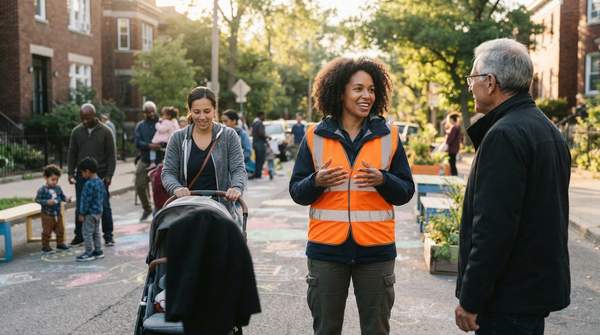
Diverse group of people walking and enjoying amenities on a vibrant, bustling city street at dusk, showcasing urban walkability.

The average rent for a 1-bedroom apartment in Downtown Core, the city's most walkable neighborhood, is $3,200. This figure is 40% higher than the city average, effectively pricing out many residents who desire a car-free lifestyle, according to Real Estate Analytics. This significant premium on highly pedestrian-friendly areas reveals a critical challenge in urban development.

The city's walkability is improving overall, and residents express a strong desire for car-free living. However, the most walkable neighborhoods are becoming increasingly expensive and exclusive. Urban improvements, while underway, are failing to deliver equitable accessibility.

Based on current trends in urban development and housing costs, the premium on highly walkable neighborhoods will likely continue to rise, exacerbating affordability challenges for those seeking a pedestrian-centric lifestyle.

The city's overall walkability has improved by 8% over the last seven years, driven by urban planning initiatives, states the City Planning Department. This improvement stems from a concerted effort to enhance pedestrian infrastructure and access to amenities. A significant portion of residents, specifically 45% in the top 3 walkable neighborhoods, moved to these areas specifically to reduce car dependency, according to Resident Survey 2023. This strong resident preference directly fuels the market, as property values in the top 5 most walkable neighborhoods have appreciated 15% faster than less walkable areas over the last decade, also reported by Real Estate Analytics. While positive for urban health, this demand for walkable living now creates a significant economic barrier for many residents.

1. The City's Top Walkable Neighborhoods

Best for: Urban professionals seeking convenience

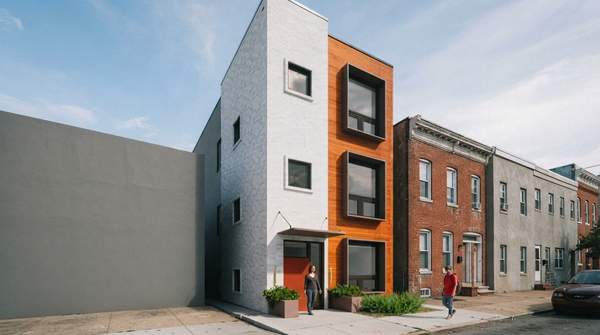
Downtown Core boasts a Walk Score of 98, making it the city's highest-rated neighborhood for pedestrian access, according to Walk Score Data. This area offers unparalleled access to daily necessities and entertainment venues. However, this convenience comes at a significant cost, solidifying its status as an exclusive enclave for urban professionals.
Strengths: Highest walk score, extensive amenities | Limitations: Highest rent, dense population | Price: Premium

Best for: Families and independent business supporters

Greenwood Heights, while having a Walk Score of 92, has seen a 20% increase in new independent businesses in the last quarter, states the Local Business Association. It combines walkability with a strong community feel. This growth in local commerce suggests a distinct value proposition, attracting families and business supporters willing to prioritize community over extensive public transit.

Strengths: Strong local business scene, good schools | Limitations: Less public transit than Downtown, parking challenges | Price: High

Best for: Commuters and green space enthusiasts

Riverbend District, with a Walk Score of 89, offers direct access to 7 major bus lines and 2 subway stations, according to a Transit Authority Report. Its proximity to public transportation makes it ideal for those seeking a car-optional lifestyle. This makes Riverbend a more accessible alternative for car-free living compared to Downtown Core, despite offering fewer high-end retail options.

Strengths: Excellent public transit, abundant green spaces | Limitations: Fewer high-end retail options | Price: Upper-middle

Best for: Young professionals and new residents

Willow Creek, a neighborhood traditionally known for its suburban feel, surprisingly ranks 7th with a Walk Score of 85 due to recent mixed-use developments, reports the City Planning Department 2026. This area is rapidly transforming into a more pedestrian-friendly environment. Its developing amenities and relatively lower cost position Willow Creek as a potential future hub for residents priced out of established walkable areas, despite current limitations in public transit.

Strengths: Developing amenities, relatively lower cost | Limitations: Limited public transit options, ongoing construction | Price: Mid-range

2. Walkability vs. Livability: A Closer Look

NeighborhoodAverage Monthly Rent (1-bedroom)Estimated Annual Transportation SavingsPublic Transit Ridership Change (Last Year)Resident Satisfaction: Park Access
Downtown Core$3,200$1,500 (30% less than city average)+15%Good
Greenwood Heights$2,850$1,200-2%Very Good
Riverbend District$2,600$1,400+10%Excellent
Willow Creek$2,200$800+3%Fair

The average resident in Downtown Core spends 30% less on transportation annually compared to the city average, according to the City Planning Department. This is further evidenced by a 15% increase in public transit ridership in Downtown Core last year, defying a city-wide 5% decline, notes the Transit Authority Report. While residents in Riverbend District report the highest satisfaction with local park access and green spaces, according to Resident Survey 2026, the broader trend is clear: high walkability correlates with lower transportation costs but often demands a premium in housing expenses.

3. How Ranked the Neighborhoods

The 'Walkability Index' used for this ranking combines Walk Score, Transit Score, and a proprietary Amenities Density Score, details a Methodology Report. This integrated approach ensures a comprehensive evaluation beyond simple pedestrian paths. Data for amenities density was collected from over 5,000 points of interest, including restaurants, grocery stores, and healthcare facilities, by the Data Collection Team. The ranking criteria prioritized access to daily necessities within a 15-minute walk over specialized retail, further explained in the Methodology Report. This comprehensive methodology provides a holistic view of a neighborhood's pedestrian-friendliness, moving beyond simple sidewalk proximity. This rigorous approach reveals that true walkability extends beyond mere infrastructure, encompassing the practical access to daily life that defines urban convenience.

4. The Cost of Convenience: An Unintended Consequence

The average rent for a 1-bedroom apartment in Downtown Core is $3,200, which stands 40% higher than the city average, as reported by Real Estate Analytics. Cities investing in walkability without parallel affordable housing strategies are effectively subsidizing gentrification, not equitable urban development. Despite its high walkability, Willow Creek residents express concerns about the lack of diverse public transportation options beyond bus routes, according to Resident Survey 2023. The 'least walkable' neighborhoods often correlate with areas lacking recent infrastructure investment and diverse zoning, notes the City Planning Department. The city faces the challenge of expanding walkable infrastructure equitably, ensuring that the benefits of pedestrian-friendly living are accessible to all residents, not just those who can afford the premium.

Unless urban planning integrates robust affordable housing initiatives with walkability improvements, the city's most pedestrian-friendly areas will likely remain exclusive, further widening the gap between desired lifestyle and economic reality.