How to Use Infill Development: A Guide for Local Governments

In Toronto, the 69-acre Regent Park site transformed into a high-density, mixed-income community.

AB
Aaron Blake

June 6, 2026 · 3 min read

A diverse and bustling urban neighborhood developed through strategic infill, featuring modern mixed-income housing, green spaces, and public amenities.

In Toronto, the 69-acre Regent Park site transformed into a high-density, mixed-income community. This project replaced outdated public housing with a vibrant neighborhood, enhancing local infrastructure and services. Strategic infill development, utilizing existing vacant urban land, revitalizes entire urban areas.

Many cities possess ample vacant land, but they often fail to leverage infill development to address critical housing shortages and attract investment. This oversight leaves valuable urban spaces dormant, exacerbating housing crises and stifling private investment.

Cities embracing well-planned infill development will likely see significant improvements in housing affordability, economic vitality, and urban quality; those that hesitate risk stagnation. Infill development, often associated with increased density, enhances urban livability by increasing access to local destinations, not just adding housing units.

Why Infill Development is Your City's Next Big Opportunity

Leveraging existing urban spaces directly addresses housing needs. Infill housing development increases housing supply in cities with vacant land, according to Papers Ssrn. The strategy utilizes underutilized plots within established areas, reducing pressure on undeveloped peripheral lands and avoiding infrastructure extension costs. It provides new homes and strengthens existing communities by adding residents who support local businesses. Cities failing to strategically leverage vacant land deter significant economic growth, rather than merely neglecting housing shortages.

Mapping Your City's Infill Potential

Effective infill development demands strategic planning, not just identifying empty lots. Strategic implementation increases access to local destinations, as highlighted by Epa. Cities must integrate new developments with public transit, pedestrian networks, and community amenities. Comprehensive site assessments should evaluate land availability, infrastructure capacity, and community needs. New housing contributes to a connected, livable urban environment. Successful infill development builds better communities, not just more units.
Avoiding the Traps: Why Quality and Diversity Matter

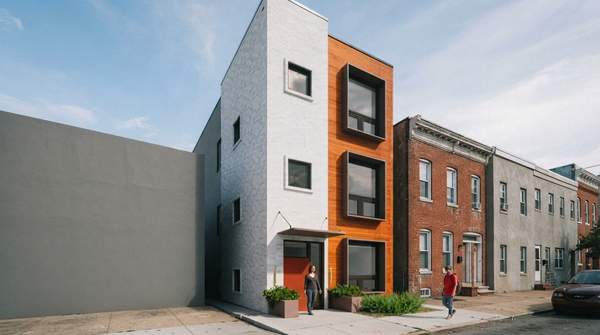
Adding housing units without focusing on quality and diversity exacerbates urban challenges. High-quality infill development increases housing diversity and addresses obstacles, according to eu-opensci. The type and design of new housing are crucial for overcoming social and economic barriers, ensuring projects benefit all residents. Cities risk segregated or unsustainable developments without prioritizing mixed-income housing and integrating various housing types. Infill projects must blend seamlessly with existing neighborhoods, offering diverse housing options. This prevents gentrification and fosters inclusive growth within urban cores.

Lessons from Leading Infill Projects

Toronto's Regent Park site offers a compelling model for comprehensive urban revitalization. The 69-acre site became a high-density, mixed-use, mixed-income area, according to c40knowledgehub. The project integrated residential, commercial, and community spaces, creating a vibrant hub. Ambitious, mixed-use infill projects achieve significant urban revitalization when best practices are applied. Other cities should emulate these proven models. Integrating affordable housing with market-rate units, retail, and public services ensures infill development serves broad community goals.

Common Questions About Infill's Economic Impact

What are the economic benefits of infill development?

Infill development enhances local economies by increasing housing supply, supporting existing businesses, and attracting private investment, according to Papers Ssrn. Infill development leads to increased property values and a more robust municipal tax base.

How can cities encourage private investment in infill projects?

Cities encourage private investment by streamlining permitting and offering targeted incentives. Highlighting vacant land and successful projects also draws capital. Infill development is an attractive opportunity for private sector engagement and economic growth, not just a public good.

The Future is Infill: A Call to Action

By 2026, cities that strategically implement infill development will likely demonstrate measurable improvements in housing affordability and urban accessibility, setting a benchmark for others to follow.