What Are Community Development Districts and Their Property Value Impact?

In 2026, homeowners in numerous new residential developments across the region are discovering they are financially obligated to cover infrastructure costs for decades, a burden often spanning up to 3

AB
Aaron Blake

June 4, 2026 · 5 min read

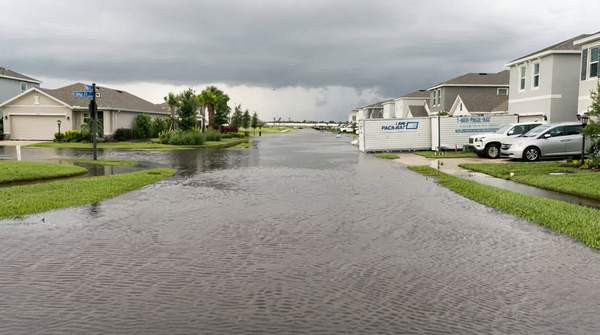
Newly constructed homes in a suburban neighborhood with visible infrastructure, symbolizing the financial obligations associated with Community Development Districts.

In 2026, homeowners in numerous new residential developments across the region are discovering they are financially obligated to cover infrastructure costs for decades, a burden often spanning up to 30 years. This responsibility for roads, utilities, and amenities, initially presented as part of the community's appeal, effectively transforms residents into long-term financiers for projects that primarily benefit real estate developers.

Community Development Districts (CDDs) offer developers straightforward access to project funding with reduced personal financial risks. However, this convenience for developers often translates into considerable financial risks and long-term burdens for the homeowners who purchase properties within these districts.

Without increased transparency and greater homeowner representation in CDD governance, the financial risks for residents in these communities are likely to escalate. This could potentially impact property values and overall community satisfaction significantly in the coming years.

How CDDs Finance Development and Benefit Developers

The City of Santa Ana's Specific Plan Implementation Program (SCIP) permits development impact fees on residential and non-residential projects to be financed through tax-exempt bonds, a mechanism central to how Community Development Districts operate. Developers applying for SCIP agree to pay assessments to the program for a period that may not exceed 30 years, creating a long-term funding stream for infrastructure. This structure provides developers with a powerful, low-risk financing tool for essential infrastructure components like roads, water systems, and recreational facilities.

Developer-controlled CDDs can present potential conflicts of interest, such as purchasing land from the developer without external scrutiny, according to Ccfj. These early decisions, made when developers dominate the district's board, can lock future homeowners into potentially inflated costs for land and services. A significant aspect of CDD governance is that a Community Development District does not legally constitute a 'political subdivision' for the purposes of Florida Statutes section 196.199, as noted by myfloridalegal. This unique legal status, combined with initial developer control, can create an environment where private interests levy long-term assessments on residents without the typical public oversight or accountability mechanisms.

The Hidden Costs and Long-Term Impact on Homeowners

Establishing a Community Development District shifts the cost of construction and ongoing maintenance of on-site infrastructure directly from developers to future residents, according to Ccfj. While CDDs offer developers easy access to funding with low risks, they simultaneously pose considerable financial risks to homeowners. These risks include decades-long assessments that burden property owners for community amenities and utilities.

Decisions made early by developer-controlled Community Development Districts can have lasting effects on costs, maintenance standards, and overall community satisfaction, as highlighted by Barraco. Despite the financial burden, CDDs do help ensure that infrastructure is built to appropriate standards and maintained throughout the life of the community. This means homeowners receive well-maintained infrastructure, but this benefit comes at the direct, often hidden, financial expense and risk of residents, rather than being a shared or developer-borne cost. The perceived benefit of quality infrastructure, therefore, is directly tied to the significant, long-term financial assessments and potential dissatisfaction for homeowners, whose interests may not be fully represented in early district decisions.

Understanding Oversight Gaps in CDD Governance

The legal classification of Community Development Districts as non-'political subdivisions,' as previously noted by myfloridalegal, creates a governance vacuum within these communities. This distinction means CDDs operate without the typical public oversight or accountability mechanisms that apply to true governmental entities. This lack of official political subdivision status, combined with initial developer control over the district's board, allows private interests to levy long-term assessments on residents with limited external checks.

This critical regulatory blind spot enables private entities to wield public-like taxing authority, affecting homeowner finances for decades, without commensurate public oversight. The developer control, highlighted by ccfj.net, combined with the absence of 'political subdivision' status, means decisions regarding infrastructure, maintenance, and financial obligations are primarily driven by private, profit-oriented interests. Homeowners inherit these decisions, often without a clear understanding of the long-term financial implications or recourse for challenging them.

Why CDDs Shift Financial Burdens to Homeowners

While developers initially commit to up to 30 years of infrastructure assessments, as seen in programs like Santa Ana's SCIP, the Community Development District structure effectively transfers this multi-decade financial obligation directly to homeowners once properties are sold. This mechanism insulates developers from the long-term financial risks associated with large-scale infrastructure projects, passing those responsibilities to residents.

Homeowners purchasing in CDD communities are often unknowingly inheriting decades-long financial obligations for infrastructure and maintenance. These ongoing assessments effectively subsidize developer profits rather than simply representing the cost of buying a home. The system ensures developers gain easy access to funding with low risks, while homeowners become the long-term financiers for development projects, impacting their overall property values and long-term financial stability.

The Long-Term Consequences of Developer-Controlled CDDs

Developer-controlled Community Development Districts frequently exploit inherent conflicts of interest, such as purchasing land from the developer without rigorous scrutiny, as detailed by Ccfj. These early decisions, made before homeowners have a voice on the board, lock residents into potentially inflated costs and long-term maintenance burdens for the community's entire lifespan. The lasting impact of these choices on costs and community satisfaction suggests homeowners are often bound by financial and quality-of-life outcomes dictated by entities prioritizing developer profits over resident well-being.

By Q3 2026, as more CDD communities mature, the cumulative effect of these long-term assessments and the limited homeowner influence on governance will likely become more apparent. This could lead to increased homeowner dissatisfaction and potential stagnation in property value appreciation in some CDD communities. Developers and local policymakers face a growing need to ensure greater transparency and homeowner representation to mitigate these accumulating financial burdens and improve resident outcomes.

What are the benefits of Community Development Districts?

Community Development Districts can ensure that new communities receive high-quality infrastructure, including roads, water and sewer systems, and recreational facilities, built to appropriate standards. This structured approach means amenities are often planned and installed early in the development process, providing immediate access for residents. However, these benefits come with long-term financial assessments for homeowners.

How do CDDs affect property taxes?

CDD assessments are typically separate from traditional ad valorem property taxes, appearing as distinct line items on a property tax bill. These assessments cover the costs of financing and maintaining infrastructure and services within the district. While not technically property taxes, they represent a mandatory annual payment tied to the property, directly increasing the total cost of homeownership for residents.

Are Community Development Districts a good investment for homeowners?

Investing in a CDD community carries inherent financial risks due to long-term assessments that can significantly increase the total cost of homeownership. While well-maintained infrastructure and amenities can enhance desirability, the lack of public oversight and potential for inflated costs, especially in developer-controlled districts, can erode the investment's value over time. Homeowners should carefully evaluate these long-term financial obligations.