Neighborhoods

The 5 Best Walkable Neighborhoods in Riverbend for 2024

Looking for a car-free or car-light lifestyle in Riverbend? This guide ranks the top 5 walkable neighborhoods for 2024, evaluating each based on amenities, public transit, and green spaces.

DM
Derek Molina

April 3, 2026 · 10 min read

A lively street in a Riverbend neighborhood, showcasing pedestrians, cyclists, outdoor dining, and a modern tram, emphasizing a vibrant, car-free urban lifestyle.

This ranked guide identifies Riverbend's best walkable neighborhoods for a car-free or car-light lifestyle, evaluating each area based on its access to local amenities, public transit quality, and green spaces. It helps young professionals, growing families, and empty-nesters find the right fit to connect with their community on foot, avoiding traffic and embracing a more integrated urban experience.

We ranked these neighborhoods using a composite score derived from the City Planning Department's 2024 Livability Report and data from the local urbanism blog CityWalks, focusing on amenity density, transit access, and parkland availability.

What Defines a Walkable Neighborhood?

A truly walkable neighborhood, often called a "15-minute city," offers the freedom to live a full life within a short walk from your front door. This means daily needs—groceries, coffee shops, schools, parks, and even a doctor's office—are accessible within a 15-minute walk or bike ride. This concept fosters a stronger sense of community, promotes healthier lifestyles, and reduces reliance on cars.

Walkability relies on three key ingredients. First, a dense, mixed-use design where homes, businesses, and public spaces coexist, such as ground-floor shops with apartments above. Second, a safe and accessible pedestrian network, including well-maintained sidewalks, crosswalks, and street lighting. Finally, it’s about having places worth walking to; perfect sidewalks are insufficient if there's nowhere to go. The following neighborhoods excel at blending these elements to create a truly pedestrian-friendly environment.

1. The Grove — Best Overall Balance

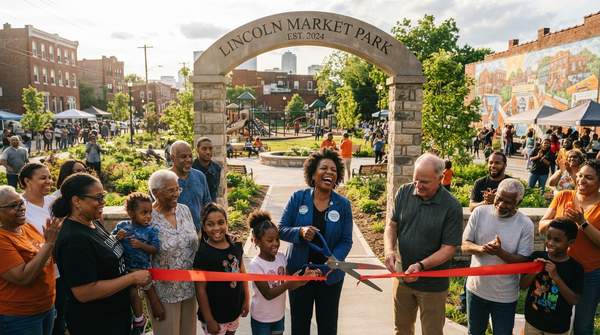
The Grove earns its top spot by mastering a balanced blend of residential comfort, commercial vibrancy, and accessible nature, making it the city's quintessential jack-of-all-trades. It delivers a high-quality urban experience without the intensity or compromises found in more specialized neighborhoods, fitting a wide range of residents.

The Grove offers a dense network of amenities, scoring high marks across all our criteria. According to the City Planning Department report, over 80% of residences are within a 10-minute walk of a full-service grocery store. Central Avenue, its main artery, is lined with independent bookstores, a historic cinema, and a diverse mix of restaurants, while its quiet, tree-lined side streets feel peaceful. This makes it ideal for young couples, small families wanting a park nearby, or professionals appreciating a short walk to a wine bar.
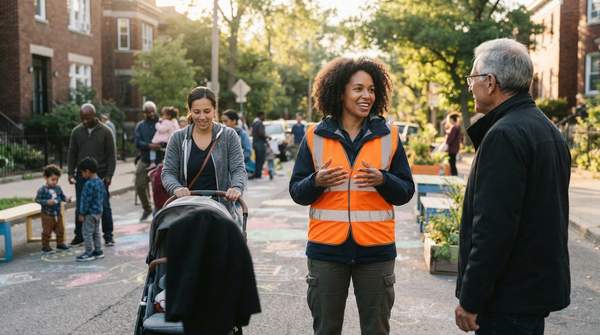

Compared to the alternatives, The Grove’s strength is its lack of a major weakness. While The Junction offers superior transit, it sacrifices green space and tranquility. Bridgeport boasts more expansive parks, but its commercial offerings are thin. The Grove finds the sweet spot. Residents can spend Saturday morning at the year-round farmer's market, have a picnic in the centrally located Elmwood Park, and catch a local band at a small venue in the evening—all without ever needing a car key. "We moved here three years ago and sold our second car within six months," says longtime resident Maria Flores. "Between the bus lines on Central and being able to walk for groceries, dinner, or taking our daughter to the park, we just didn't need it."

The primary drawback, however, is its popularity. The Grove's desirability has led to a highly competitive housing market and the highest average rent on our list. Finding an apartment can be a challenge, and property values have consistently outpaced the city average for the last decade, making it a difficult market for first-time buyers to break into.

  • Walk Score: 92
  • Transit Score: 85
  • Green Space: 18% parkland
  • Average Rent (1-BR): $2,200/month

2. The Junction — Best for Transit & Urban Energy

The Junction is the undisputed champion for those defining walkability by city-wide ease of access. Built around Riverbend's primary transit nexus, this neighborhood is a hub of perpetual motion, modern development, and unparalleled connectivity, truly feeling plugged into the city's pulse.

The Junction is ideal for young professionals, dedicated commuters, and anyone who thrives on the energy of a dense urban core. If your priority is a quick trip to a downtown office, easy access to the airport line, or a lifestyle fueled by an endless supply of new restaurants and nightlife, this is your spot. The neighborhood is characterized by modern high-rise apartment buildings, converted warehouses, and a streetscape buzzing with activity day and night. It’s less about quaint charm and more about functional, high-density living.

Public Transit Scores: Navigating Riverbend Without a Car

The Junction's transit infrastructure sets it apart, boasting the city's highest Transit Score. Central Station serves as the meeting point for three train lines and over a dozen bus routes, making a car-free lifestyle not just possible, but practical. According to CityWalks data, a resident in the heart of The Junction is, on average, less than a five-minute walk from a transit stop with service arriving every 10 minutes or less during peak hours. This level of access is a game-changer for daily life and a key reason why many choose to live here. For more on how our city's transit systems operate, see our guide on how local public transportation is funded and managed.

While Old Town North offers a more curated, historic experience, The Junction provides raw, modern convenience. Its food scene is dynamic and ever-changing, with a focus on fast-casual eateries, trendy food halls, and late-night spots that cater to its younger demographic. The trade-off for this energy and connectivity is a significant lack of green space. Parks are small, few, and far between, often consisting of little more than a few benches on a concrete plaza. The constant hum of traffic and construction can also be a major drawback for those who value peace and quiet.

  • Walk Score: 88
  • Transit Score: 98
  • Green Space: 5% parkland
  • Average Rent (1-BR): $2,050/month

3. Bridgeport — Best for Families & Green Space

Unlike The Junction's steel and concrete, Bridgeport honors trees and trails, offering a greener vision of walkability. This neighborhood centers on recreation, community, and a quieter pace of life, acting as the perfect urban suburb by blending city convenience with a comforting sense of space.

Bridgeport is the top choice for families with children, dog owners, and anyone whose ideal weekend involves a long walk or bike ride through nature rather than a crawl through crowded bars. The neighborhood's identity is defined by its vast network of parks, community gardens, and riverfront trails. Its streets are wider, the homes often have yards, and the overall atmosphere is relaxed and family-oriented. The commercial strips are more modest, focused on essentials like a friendly local grocer, a hardware store, a few family-style restaurants, and ice cream shops.

Green Spaces and Parks: Enhancing Walkability in Riverbend

Bridgeport's crown jewel is the sprawling Riverside Park, which accounts for nearly a quarter of the neighborhood's total area. This isn't just a patch of grass; it's a massive urban oasis with playgrounds, sports fields, dedicated dog runs, and miles of paved paths. This focus on green space makes it fundamentally different from denser neighborhoods like The Grove. Here, walkability is less about getting to a dozen cafes and more about being able to reach a soccer field, a community pool, or a quiet spot by the river on foot. The local schools are also highly rated and within walking distance for most residents, a major draw for families.

The main limitation of Bridgeport is its lack of variety in commercial offerings. While you can easily walk to get the essentials, you'll likely need to hop on a bus or in a car for a special occasion dinner, boutique shopping, or specialized services. Transit is reliable for commuting downtown, but it’s less comprehensive for crosstown trips compared to The Junction or The Grove. It’s a trade-off many residents are happy to make for the peace, safety, and unparalleled access to the outdoors.

  • Walk Score: 79
  • Transit Score: 70
  • Green Space: 35% parkland
  • Average Home Price: $650,000

4. Old Town North — Best for Historic Charm & Boutique Shopping

Old Town North, with its preserved 19th-century brick facades, gas-lamp-style streetlights, and a complete absence of chain stores, offers a unique, curated pedestrian experience. It prioritizes character and quality over sheer density, making it a destination for discerning residents who feel like they're stepping into a different era.

This area is best suited for empty-nesters, established professionals, and anyone who values aesthetics and a high-end, localized shopping experience. Life in Old Town North revolves around Main Street, a bustling corridor of independent businesses. Here you'll find art galleries, artisan bakeries, high-end furniture stores, and some of the city's most acclaimed fine-dining restaurants. It’s the kind of place where shop owners, like the ones behind unique spots like other local gems, know their customers by name.

Old Town North provides a different flavor of walkability than our top-ranked neighborhoods. It’s not about ticking off a list of errands; it’s about the pleasure of the walk itself. The architecture is beautiful, the storefronts are inviting, and the scale is human. It ranks just below The Grove in its Walk Score because its amenities, while high in quality, are less focused on everyday necessities. You can find three artisanal cheese shops but may have to walk a bit farther for a large supermarket. "We chose this neighborhood because it feels authentic," notes one resident. "It's a community that actively supports its local artists and chefs."

This charm comes at a steep price. Old Town North is the most expensive neighborhood on our list, both for renters and buyers. The historic nature of the buildings means fewer modern amenities and smaller floor plans. Furthermore, its popularity with tourists and locals alike makes parking a persistent nightmare, reinforcing its identity as a place best explored on foot.

  • Walk Score: 90
  • Transit Score: 75
  • Green Space: 10% parkland
  • Average Home Price: $850,000

5. Maplewood — Best for Affordability & Up-and-Coming Vibe

Our final spot goes to Maplewood, a neighborhood of grit, potential, and undeniable momentum. While it may not have the polished resume of other contenders, it offers something increasingly rare in Riverbend: accessible homeownership within a community actively investing in a more walkable, connected future.

Maplewood is a fantastic option for first-time homebuyers, artists, and anyone excited by the prospect of being part of a neighborhood's evolution. For years, it was a sleepy, car-dependent area, but recent investments have sparked a transformation. According to the Maplewood Business Association, over 35 new small businesses have opened in the last two years alone, concentrated along the revitalized Fourth Street corridor. These include a craft brewery, a cooperatively owned grocery store, and several independent coffee shops.

Maplewood's walkability is rapidly improving, highlighted by the City Planning Department's report: it has the fastest-growing Walk Score in Riverbend over the last five years. The addition of protected bike lanes and a new express bus route to downtown have significantly impacted this progress. While it doesn't yet compete with The Grove on amenity density or The Junction on transit, Maplewood provides a crucial foothold for those priced out of more established areas.

Maplewood remains a neighborhood in transition, with uneven revitalization where some blocks feel more neglected than others. While core amenities are growing, residents may still need to travel for more specialized shopping or services. It requires a tolerance for lingering rough edges, but for those with vision, the payoff is a vibrant community they can afford to call home.

  • Walk Score: 72
  • Transit Score: 68
  • Green Space: 12% parkland
  • Average Home Price: $475,000

NeighborhoodCategory/VibeWalk ScoreBest For
The GroveBalanced & Vibrant92A bit of everything
The JunctionModern & Connected88Commuters & Young Professionals
BridgeportQuiet & Green79Families & Outdoor Lovers
Old Town NorthHistoric & Upscale90Boutique Shopping & Dining
MaplewoodAffordable & Evolving72First-Time Buyers & Value Seekers

How We Chose This List

This ranking focuses on the core elements that make a neighborhood truly livable without a car. We excluded areas that, while walkable, are primarily commercial or industrial districts with limited residential options.

  • Access to Local Amenities: This was our most heavily weighted factor. We analyzed the density and diversity of businesses essential for daily life. This included grocery stores, pharmacies, cafes, hardware stores, and community centers. We prioritized neighborhoods where residents could complete most of their daily errands on foot, using data from the City Planning Department's 2024 Livability Report.
  • Public Transit: A great walkable neighborhood is also a well-connected one. We evaluated each area's Transit Score, which considers the number of bus and rail lines, the frequency of service, and the percentage of households within a short walk (less than a half-mile) of a stop.
  • Green Spaces and Parks: Walkability isn't just about utility; it's also about quality of life. We measured the percentage of each neighborhood's land dedicated to public parks, trails, and community gardens. We focused on spaces that were well-maintained and easily accessible to residents for recreation and relaxation.

The Bottom Line

Ultimately, choosing the right walkable neighborhood depends entirely on personal priorities. The Grove offers the best all-around experience with a fantastic mix of amenities, transit, and green space. For commuters seeking a fast-paced urban environment, The Junction's connectivity is unbeatable, while families and nature lovers will find their perfect home among the parks of Bridgeport.