Business Spotlights

The Community Chapter: How Independent Local Bookstores and Coffee Shops Are Thriving

Independent local bookstores and coffee shops are flourishing, transforming into vibrant community hubs that offer more than just retail. They represent a fundamental shift in what consumers seek: tangible connection and authentic local experiences.

MA
Marco Alvarez

April 4, 2026 · 6 min read

A cozy, sunlit independent bookstore and coffee shop bustling with diverse patrons reading, working on laptops, and enjoying coffee, showcasing a vibrant community hub.

In an age dominated by one-click ordering and digital streaming, a surprising story is unfolding on our street corners. The rise of independent local bookstores and coffee shops represents more than a niche trend; it signals a fundamental shift in what consumers seek from their communities. Against the odds, these local enterprises are not just holding their ground against corporate giants and e-commerce behemoths; many are flourishing. Let's delve into the data and the stories behind this resurgence.

A powerful counter-narrative to the tale of retail decline is emerging, driven by a growing desire for tangible connection and authentic local experiences. Across the country and beyond, independent bookstores and cafés are transforming from simple retailers into vibrant community hubs, rewriting their business models to focus on curation, community, and culture. This evolution is proving to be a resilient and successful strategy in the modern economy.

The Numbers Behind the Narrative: A Resurgence of Independent Bookstores

The numbers tell a compelling story of revival. According to a report in Fresh Cup Magazine, the number of independent bookstores in the United States has increased by a remarkable 34% since 2009. The data shows a climb from 1,651 stores in 2009 to 2,506 in 2023, with the report noting that the figure is expected to continue its upward trajectory. This isn't a fleeting moment but a sustained, decade-long expansion that challenges the assumption that physical book retail is a sunset industry.

This vitality is visible in the energy surrounding these businesses. In London, the British Book Awards recently saw what Time Out described as a "record year for submissions," with winners chosen from a competitive field of 76 finalists. Closer to home, community-driven events are showcasing the sector's collaborative spirit. The Indy Indie Book Crawl in central Indiana, a four-day event now in its third year, has grown to include 37 participating independent bookstores and seven literary organizations, according to the IndyStar. Such events encourage residents to explore the unique character of each local shop, transforming book buying into a celebrated community activity.
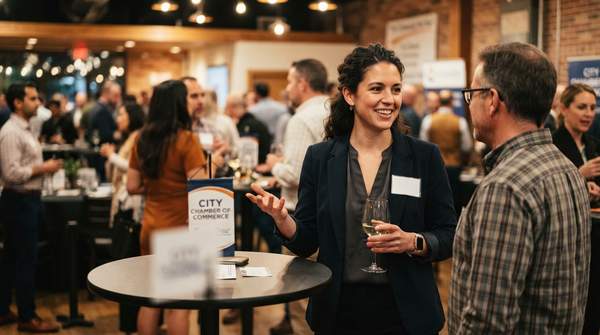
What makes independent bookstores and coffee shops successful?

The core of this success lies in a strategic pivot from transactional retail to relational community-building. These establishments are carving out a niche as essential "third spaces"—a term for places outside the primary environments of home and work where people can relax, interact, and build social bonds. According to an analysis by axios.com, independent bookstores are intentionally building these third spaces to counteract an increasingly online world. They offer something that algorithms and delivery drones cannot: a sense of place and belonging.

This concept is more than just a buzzword; it's a tangible business model. By integrating coffee bars, wine service, and comfortable seating, these businesses invite customers to linger, work, and socialize. "The coffee shop is what has brought the community aspect to life and made it a very tangible kind of thing," one owner noted in Fresh Cup Magazine. This hybrid model generates multiple revenue streams while simultaneously fostering a welcoming atmosphere that encourages repeat visits. According to commongood.cc, bookstores become community hubs valued for placemaking, their focus on the local economy, and their unique ability to connect readers, authors, books, and thinkers. They become repositories of local information, with staff who know the community and its authors, creating an invaluable resource that no online retailer can replicate.

Furthermore, many of these businesses operate with a clear and specific mission. An article from publishersweekly.com suggests that modern bookstores are often "on a mission," curating their collections and programming to serve and reflect the specific needs and values of their neighborhoods. This mission-driven approach creates a powerful bond with a target demographic, building loyalty that transcends price competition. In an era of book bans and legislative challenges, these spaces also provide a safe haven for open discourse and access to diverse perspectives, further cementing their importance.

How do local community hubs contribute to neighborhood vitality?

The real-world impact of this trend is best seen in the stories of individual businesses that are shaping their local cultures. In London's Balham neighborhood, Backstory, a bookshop-meets-wine bar launched in 2023 by a former journalist, was recently named the city's best independent bookshop for 2026 at the British Book Awards. Since its debut, it has become a cherished local hub, demonstrating the power of a well-executed hybrid model that serves great reads alongside tasty sips.

In the United States, this pattern of innovation and community focus is widespread. In Waco, Texas, Fabled Bookshop and Cafe showcased remarkable adaptability during the COVID-19 pandemic. According to Fresh Cup Magazine, the shop created "Indoorsy Boxes" filled with books and snacks, selling nearly 2,000 of them in just two weeks. This creative pivot not only ensured survival but deepened the shop's connection with a community looking for comfort and engagement during a difficult time. In Waynesboro, Stone Soup Books is celebrating 20 years in business, a milestone that speaks to its deep roots and sustained value as a downtown community anchor.

The most successful of these hubs are those that authentically reflect and serve their communities. Uncle Bobbie's in Philadelphia, for example, intentionally centers Blackness, curating its titles and organizing its space to speak directly to the needs and interests of its community, creating a vital place for gathering and discussion. Similarly, Epilogue Books Chocolate Brews in Chapel Hill, North Carolina, infuses its owners' Mexican culture into its very fabric, offering house-made conchas and churros alongside a carefully selected book inventory. By hosting events like a queer book club, Epilogue creates an inclusive and safe space where all members of the community feel seen and represented. As one owner told Fresh Cup, "People come to our space for a lot of different reasons...people come to spaces they feel are safe, where they feel that they can be seen and being represented."

The trend is also adapting to the digital landscape. The recently launched KMChaosBookReads operates as an online-only bookstore specializing exclusively in independently published works. According to a press release from prlog.org, its mission is to be a "purpose-driven, community-centered hub dedicated to amplifying indie authors." It fosters connection through an active social media presence, dedicated reader groups, and curated offerings like "Blind Date with a Book" packages. This model demonstrates that the principles of community and curation can thrive online, often as a precursor to a physical presence.

What Comes Next for These Community Anchors?

The number of independent bookstores is projected to continue climbing, suggesting the market has not yet reached saturation. This sustained growth is fueled by a desire for community, a preference for local and curated experiences, and a reaction against impersonal e-commerce—forces likely to intensify. More entrepreneurs are expected to enter this space, bringing fresh ideas and new models that combine retail with experience.

The hybrid model of books paired with food and beverages is evolving, with potential for more niche pairings like Backstory's wine bar concept or unique culinary offerings reflecting a neighborhood's cultural makeup, similar to Epilogue. These businesses support local economies, often found in vibrant commercial districts alongside establishments like those in our guides to the best local farmers markets.

The online-to-offline path is exemplified by KMChaosBookReads, which, according to prlog.org, is expanding its online brand into a physical storefront combining books, coffee, and community. This strategy allows businesses to build a dedicated following and test their market digitally before investing in a brick-and-mortar location. It brings the mission-driven, community-focused ethos of the modern bookstore to life, with these physical "third spaces" serving as anchors of neighborhood vitality as lives become more digitally integrated.

Key Takeaways

  • Community Focus: Thriving independent bookstores and coffee shops function as essential "third spaces," prioritizing community building over commerce to create hubs for connection and local culture.
  • Sustained Growth: The number of independent bookstores in the U.S. reportedly grew by 34% between 2009 and 2023, signaling a robust trend of renewal in the sector.
  • Hybrid and Mission-Driven Models: Combining books with coffee, wine, or unique food offerings is a proven formula. Stores also succeed by operating with a clear mission, serving specific communities and reflecting distinct cultural values to create safe and representative spaces.
  • Sector Innovation: The sector evolves with creative strategies like curated subscription boxes, large-scale community events like book crawls, and an online-to-physical storefront model that builds a digital community first.