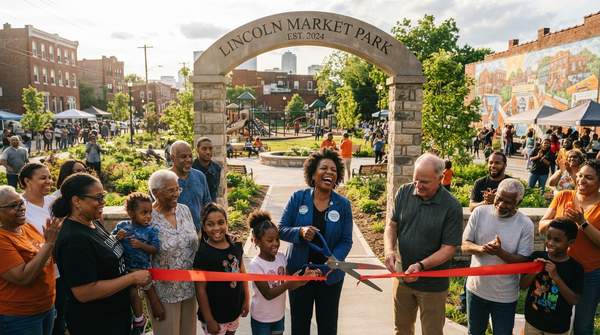
In New York City, residents directly allocate funds for local improvements—from public art to cultural events—actively shaping their neighborhood's identity block by block. This grassroots approach empowers community members to invest in projects reflecting their specific needs and values, fostering ownership and directly influencing neighborhood character in 2026.
Neighborhoods constantly evolve under economic and demographic pressures, raising concerns about displacement and homogenization. Yet, cities and communities now deploy sophisticated tools to deliberately maintain unique character, moving beyond reactive measures to proactive strategies. Urban planners and community leaders are actively engineering neighborhood character, a departure from eras where such evolution was largely organic. The future of urban identity increasingly depends on strategic preservation tools and active community engagement, not just market forces, leading to more resilient, distinct local places.
More Than Bricks: Defining and Valuing Neighborhood Character
The City of Fredericksburg explicitly acknowledges the economic, cultural, psychological, and environmental benefits of preserving its historic built environment and character, according to Historic Fredericksburg Foundation, Inc. Culture, in particular, reflects, preserves, and strengthens neighborhood character, according to CreateNYC. Supporting local culture directly helps communities thrive in place. Maintaining neighborhood character is now a strategic economic development tool, not just an aesthetic pursuit, offering clear economic, social, and environmental gains that cities increasingly value.
The Blueprint: How Zoning and Historic Districts Safeguard Physical Identity
New York City's contextual zoning directly regulates the height, bulk, setback, and street frontage of new buildings, according to the Museum of the City of New York. These rules control new development to align with existing neighborhood aesthetics. Complementing this are Neighborhood Conservation Districts (NCDs), which identify valuable built and natural features, increase historical awareness, limit demolition, and support compatible new development, notes Historic Fredericksburg Foundation, Inc. Unlike Old and Historic Districts, NCDs do not require approval for all exterior alterations visible from public view. However, they do require approval for demolition of primary buildings, new infill construction, and sizable additions visible from public view. A tiered approach—combining broad contextual zoning with targeted NCDs—shows cities are deploying bespoke regulatory tools. They manage specific threats to character, from unchecked development to subtle erosion of historic fabric, ensuring new construction respects and integrates with a neighborhood's existing context.