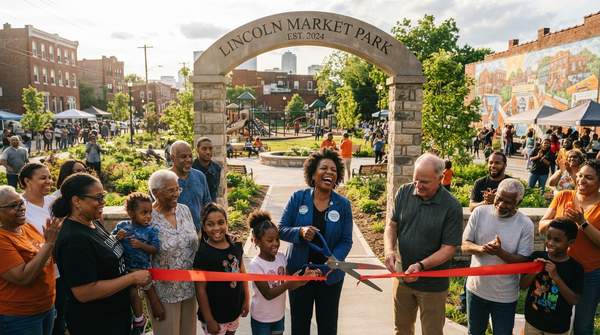
At a City Council Public Hearing, residents advocating for their neighborhood's future are often given just three minutes to speak, a brief window that can feel inadequate for expressing complex concerns about neighborhood rezoning. This limited opportunity transforms what is presented as community input into a largely performative hurdle, disproportionately silencing less resourced voices and favoring those with the time and expertise to navigate the system.
The neighborhood rezoning process in 2026 is often framed as a democratic opportunity for community input, yet its bureaucratic hurdles and historical biases frequently lead to outcomes that restrict housing supply and exacerbate inequality. This tension between democratic ideals and practical realities is at the core of how housing development unfolds in many cities.
Without significant reforms to both the procedural aspects and the underlying philosophy of zoning, current rezoning efforts will likely continue to reinforce existing patterns of housing unaffordability and segregation across urban landscapes.
The Hidden Costs of Current Zoning
Low-density residential zoning predominates across many U.S. cities, effectively limiting housing opportunities for those who cannot afford large, single-family homes, according to an article in PMC. These pervasive zoning regulations are not merely technical guidelines; they have deep racist and classist origins, directly contributing to more expensive housing and reinforcing historical segregation patterns.
Zoning and land use regulations actively restrict housing supply, which inevitably drives up housing prices, particularly in areas with strong demand. This means that current zoning regulations are not neutral tools for urban planning, but rather active forces perpetuating historical inequities and housing crises. The prevalence of such low-density zoning is not a historical artifact but is actively reinforced by a rezoning process that restricts supply and allows existing property owners to benefit from increased property values when density is eventually permitted, thus perpetuating the original exclusionary intent.