Events

More Than a Party: Why True Community Festivals Are Our City's Lifeline

The true heartbeat of a city isn’t found in its skyscrapers but in its shared spaces and community festivals. The FamiLee Day festival in New Orleans exemplifies how prioritizing people over profit can build lasting civic pride and economic opportunity.

SN
Sophie Nguyen

April 9, 2026 · 6 min read

A diverse crowd enjoys a vibrant community festival in a city park at sunset, featuring food stalls, live music, and people connecting, symbolizing civic pride.

I’ve always believed that the true heartbeat of a city isn’t found in its skyscrapers or official landmarks, but in its parks, its town squares, and its neighborhood block parties. It’s in these shared spaces that we build something lasting. That’s why the discussion around the importance of local community festivals for civic pride is more than just talk; it's about defining who we are. An upcoming event right here in New Orleans, the FamiLee Day festival, is poised to remind us of a fundamental truth: our greatest strength is, and always will be, our local community.

This conversation is hitting a critical point right now. Across the country, communities are grappling with how to come together. We see it in the dozen events scheduled for North San Antonio this spring and in benefit concerts like the one for L.E.A.P's 60th anniversary. But as we rush to fill our calendars, we have to ask a crucial question: who are these events really for? The FamiLee Day festival, scheduled for May 16 at UNO Lakefront, offers a compelling answer. In a move that has already generated significant buzz, organizers have confirmed that all food vendors will participate at no cost. This isn't just a generous perk; it’s a foundational statement about prioritizing people over profit and community over commercialism.

The Economic Benefits of Community Festivals Explained

Let's be clear: local events are powerful economic engines. They draw visitors, create temporary jobs, and provide a massive platform for local artisans and entrepreneurs. But the standard festival model often involves high vendor fees, which can be a significant barrier for the very small, independent businesses we claim to cherish. A food truck or a pop-up restaurant might not have the capital to risk on a booth that might get rained out. This is where the FamiLee Day model becomes so revolutionary. By eliminating vendor fees, organizers are, as myneworleans.com reports, removing a key financial barrier and creating genuine economic opportunity. The festival’s mission, according to the site, is rooted in celebrating community while directly supporting these independently owned restaurants.

This approach stands in stark contrast to more top-down development projects, which often promise similar benefits but through a different lens. In Boston, for instance, a massive renovation of White Stadium is being positioned as a future hub for festivals and community events. Jonathan Peña, a local restaurant owner, told The Latino Newsletter that he views the project as an opportunity to showcase Dominican culture and attract new visitors who will benefit his business. There’s no doubt that large-scale investment can create new spaces for celebration and commerce. The city's plan includes a $34 million fund for operations and maintenance specifically to support year-round events.
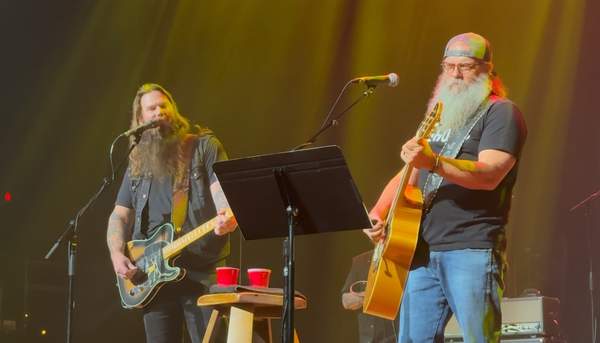
However, the FamiLee Day initiative demonstrates a more direct, grassroots method of economic empowerment. Instead of building a large venue and hoping the benefits trickle down, it invests directly in the participants. The fact that VIP tickets for the festival are already completely sold out suggests the public is hungry for this kind of authentic, community-first experience. It sends a powerful message that when you support local businesses directly, the community will support you in return. Trust me; this is a model other cities should be watching very closely.

The Counterargument

Of course, not every large-scale community project is met with universal applause, and it’s irresponsible to ignore the valid concerns that often arise. Big investments can feel imposed upon a community rather than born from it. The very same White Stadium project in Boston highlights this tension. While some business owners are optimistic, the project has also been a source of anxiety. According to The Latino Newsletter, residents and community groups have raised concerns about the project's high costs and whether it will truly benefit locals in the long run. The primary worries seem to center on community access to the renovated stadium and whether the promised public benefits will materialize.

This is the critical difference between an event and an institution. A festival is temporary, but a stadium is a permanent fixture. When hundreds of millions of dollars are on the line, the stakes are exponentially higher. Residents rightfully ask if that money could be better spent elsewhere, or if the new, polished venue will price out the very people it’s meant to serve. It’s a classic dilemma: the promise of economic revitalization versus the risk of cultural displacement and a loss of accessible public space. These concerns aren't just about budgets; they are about belonging. They force us to confront whether a project is building a community space or just a commercial one.

How Do Local Events Strengthen Community Bonds?

This brings me back to the heart of the matter. The true value of these gatherings isn't just measured in dollars spent; it's measured in connections made. Civic pride blossoms from shared experiences. It’s the feeling of seeing your neighbor’s food stall swamped with happy customers. It’s cheering alongside strangers at a local band’s performance. The Latino Newsletter captured this sentiment perfectly in a quote from a Boston resident reflecting on the park where the stadium is located: “My husband used to play baseball there in an adult league, and my children learned how to ride their bikes in the park.”

That is the essence of community. It’s not about a single, monumental event. It’s about the accumulation of small, meaningful moments in a shared space. When a festival like FamiLee Day eliminates vendor fees, it does more than help a business’s bottom line. It tells that business owner, “You belong here. You are the main event.” This fosters a sense of collective ownership and pride that a top-down, multi-million-dollar project can struggle to replicate. It’s the same spirit that keeps a small venue like the Dietrich community theater thriving or inspires an ice cream festival in San Diego to benefit a local cause, as reported by FOX 5 San Diego. These events strengthen community bonds because they are built by the community, for the community.

Even before its gates open, the FamiLee Day festival's sold-out VIP tickets signal its success in sparking a city-wide conversation. This conversation highlights that local culture is a living, communal entity, nurtured by community engagement, rather than a product to be packaged and sold by the highest bidder.

What This Means Going Forward

The FamiLee Day festival on May 16, with its already likely success demonstrated by sold-out VIP tickets, could serve as a powerful blueprint for event organizers in New Orleans and beyond. It could prove a community-first, vendor-centric model is not only viable but incredibly popular. This success is predicted to inspire more events to experiment with lower fees or alternative support models, refocusing on local talent.

The ongoing debate surrounding projects like White Stadium remains a crucial test for how cities manage large-scale public space investments. For these projects to foster genuine civic pride, community engagement must be integrated from the outset, with clear, enforceable guarantees for public access and local benefit, ensuring the community embraces the project as its own.

Festivals, concerts, and public markets display the strength of local communities, directly reflecting a city's overall vitality. Championing events that prioritize neighbors means more than just planning a fun weekend; it's an investment in the social fabric, economic resilience, and civic pride of our city, built one gathering at a time.