Local city council decisions directly shape daily life, determining stop sign placement, park funding, and business permits. Understanding how local government works and avenues for citizen participation is crucial, as these policies have the most immediate and tangible impact on our community, often more so than national headlines.
Municipal governments—city councils, town boards, or boards of selectmen—manage essential public services: trash collection, road maintenance, local libraries, and emergency response. Though operating on a smaller scale than state or federal governments, their work is crucial for neighborhood health, safety, and character. Understanding local governance offers every resident a practical tool to influence their community’s future.
Understanding Your City Council's Structure
The local city council is the legislative body governing a city, town, or municipality. It functions as the community's board of directors, setting policies, passing local ordinances, and approving budgets for public services. Though structures vary, most municipal governments share key roles and an organizational model.
- The Mayor: The mayor is often the chief executive officer and public face of the city. Their power can range from largely ceremonial (a "weak mayor" system) to having significant administrative authority, including the power to veto council decisions and appoint department heads (a "strong mayor" system).
- Council Members: These are the elected legislators who represent the community. They vote on ordinances, resolutions, and the budget. Council members may be elected "at-large," meaning they represent the entire city, or by "district" (or "ward"), meaning they represent a specific geographic area within the city.
- The City Manager: In many cities, a professional city manager is hired by the council to handle the day-to-day administrative operations. This person is typically a non-political expert in public administration responsible for implementing the council's policies, managing city staff, and preparing the annual budget.
These roles often operate within a "council-manager" system, a common structure across the country. In this model, the elected city council sets the vision and policies for the community, and the appointed city manager executes that vision. A key example of this interaction is the budget process. A publication from the UNC School of Government on citizen participation in budgeting notes that the process often begins with the city manager presenting a summary of budget points in a letter to the mayor and city council. This document effectively kicks off the public discussion about the city's financial priorities for the upcoming year.
Key Functions of Municipal Government
Local government's primary purpose is to provide essential services, maintain public order, and manage infrastructure. Its broad responsibilities, from ensuring clean tap water to approving new community centers, fall into key categories. Understanding these functions clarifies tax dollar allocation and where to direct public input, as municipal government functions are deeply woven into daily life.
- Public Safety: This is one of the most visible functions, encompassing the police and fire departments, emergency medical services, and disaster preparedness. The city council approves the budget for these departments, sets policies on community policing, and enacts ordinances related to public safety.
- Public Works and Infrastructure: This category covers the physical systems that keep our city running. It includes the maintenance of local roads, bridges, and sidewalks; the management of public water and sewer systems; trash and recycling collection; and the upkeep of public buildings and parks.
- Planning and Zoning: City councils have the authority to regulate land use through zoning laws. These laws dictate what can be built where, separating residential, commercial, and industrial areas. The planning commission, usually an appointed body, reviews development proposals and makes recommendations to the council, which has the final say on projects that can dramatically alter a neighborhood’s character.
- Fiscal Management and Budgeting: Perhaps the most critical function is managing the city's finances. The council is responsible for levying local taxes (like property and sales taxes), setting fees for services, and, most importantly, adopting an annual budget. The budget is more than just a financial document; it's a statement of the community's priorities, allocating funds to everything from park improvements to public safety salaries.
Effective Ways Citizens Can Participate in Local Governance
Your voice is a powerful tool for shaping local policy. Public participation, encouraged by academics and professional organizations as a cornerstone of healthy democracy, offers many effective ways to engage. Being informed, strategic, and persistent is key, whether addressing a specific issue or simply seeking to be a more engaged resident.
- Get Informed: The first step is to understand the issues. Your city’s official website is the best starting point. Look for agendas and minutes from past city council meetings, find the contact information for your representative, and locate the city's calendar for upcoming public hearings. You can often find valuable information and services at your local library, which serves as a vital community hub beyond just books.
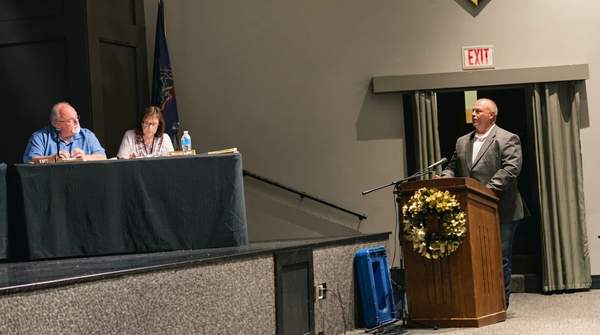
- Attend Public Meetings: City council meetings are almost always open to the public. Most meetings include a "public comment" period where residents can speak for a few minutes on any topic. Even if you don't speak, simply attending helps you understand the process and the council's dynamics.
- Communicate Directly: Don't underestimate the power of a well-written email or a phone call to your council member. Clearly state your position, provide any supporting facts, and explain how the issue affects you and your neighborhood. Meeting in person during their office hours can be even more effective.
- Join a Board or Commission: Most cities rely on volunteer advisory boards and commissions—like a planning commission, parks and recreation board, or library board—to study issues in depth and make recommendations to the city council. Serving on one is a fantastic way to have a direct impact on a specific area of interest.
For engagement to be truly effective, local governments should also do their part. According to the communication platform Rocket.Chat, best practices include ensuring engagement processes are inclusive and accessible to all residents and developing regular communication and feedback loops. This creates a two-way street where residents feel heard and the government benefits from their insights.
Why Your Participation Matters
Active citizen participation is the bedrock of a responsive, effective local democracy. Though the process can feel slow or frustrating, its importance is paramount. When residents share knowledge, experiences, and priorities, government makes decisions that truly serve the public interest, strengthening the entire community fabric.
According to a guide on public participation from American Rivers, having good representation and inclusive meetings creates a better sense of community, upholds principles of democracy, and ultimately creates better outcomes. "Better outcomes" aren't just an abstract concept; they translate into tangible improvements like safer streets for children, parks that meet the needs of families, zoning that supports beloved small businesses, and a local economy that reflects the community's values. When people feel they have a stake in the decision-making process, they become more invested in the well-being of their community, fostering a stronger sense of place and shared purpose.
Frequently Asked Questions
How do I find out who represents me on the city council?
The easiest way is to visit your city's official website. There is usually a "City Council" or "Government" section with a list of members, their contact information, and often a map of council districts. If your city has district-based representation, you may need to enter your address to find your specific council member. Your county's board of elections website is another excellent resource.
What is the difference between an ordinance and a resolution?
An ordinance is a local law passed by the city council. It is legally binding and enforceable, often carrying penalties for violations. Examples include traffic regulations, zoning laws, and public health codes. A resolution, on the other hand, is a formal statement of the council's opinion, intent, or policy on a particular matter. It does not have the force of law but is used to approve administrative actions, express support for a cause, or make official declarations.
Can I really make a difference by speaking for three minutes at a meeting?
Speaking during a public comment period, even for three minutes, puts concerns on the official public record. This ensures council members hear perspectives directly and can alert other residents to important issues, potentially inspiring their involvement. Consistent, respectful, and well-informed comments significantly influence debate direction.
Where can I find the city budget to review it?
City annual budgets are public documents, almost always available on the city's official website, typically via the Finance Department. Many cities also provide "budget in brief" summaries for the public. These documents, as guides from organizations like the UNC School of Government suggest, help citizens understand complex financial plans and identify key areas for public input.
The Bottom Line
Your local city council shapes your community, from park quality to the future of your neighborhood's main street. While understanding its structure is a first step, active, informed citizen participation drives actual change. Learning issues, attending meetings, or contacting representatives directly contributes to a more responsive, transparent, and democratic local government.