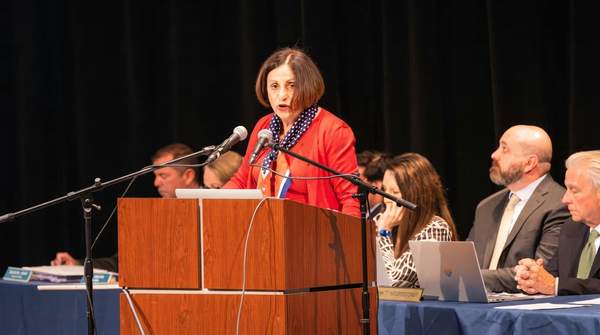
Texas entirely cut funding for School-Based Health Centers (SBHCs) during the 87th Legislative Session, ending grant administration on August 31, 2022. This decision directly impacted student access to local public health services, forcing many families to seek alternative care. While state mandates ensure robust public health advisory committees and reporting, direct funding for essential local services can be abruptly eliminated. This creates a tension: the framework for public health guidance persists, but the actual delivery of accessible, on-the-ground services increasingly relies on fragmented local efforts or less direct pathways.
Understanding Texas's Public Health Framework
Texas maintains a robust framework of committees designed to oversee public health, though this oversight doesn't always translate to direct service funding. The Maternal Mortality and Morbidity Review Committee (MMMRC), a 17-member multidisciplinary body, analyzes maternal health outcomes to inform policy interventions, according to the department of state health services - mental health guide. Similarly, every Texas school district must establish a School Health Advisory Committee (SHAC) to promote student health within schools, as stated by the mhguide. These mandated committees form a significant backbone of public health oversight, yet their advisory capacity often operates independently of direct funding for frontline services.
Navigating Public Health Resources When Local Options Are Scarce
With local options diminishing, residents seeking public health assistance may find themselves relying on state-level resources. If a community lacks a dedicated local public health organization, individuals can contact DSHS Public Health Regions for assistance, according to about texas local public health organizations. These regional offices serve as essential contact points, guiding residents to available services. The reliance on regional offices highlights a fragmented public health landscape, where direct community-level resources are often limited, pushing residents to less immediate pathways for care.
The Precarious State of Direct Local Health Services
Despite the existence of advisory bodies, crucial direct public health services face abrupt withdrawal, creating significant gaps in community access. The 87th Legislative Session's decision to cut funding for School-Based Health Centers (SBHCs), ending administration on August 31, 2022, directly impacted vulnerable student populations, as reported by the mhguide. This policy paradox—mandating School Health Advisory Committees while defunding direct student healthcare—suggests Texas prioritizes bureaucratic oversight and post-crisis analysis over investing in preventative, community-level care.
What Do Public Health Committees Actually Do?
Public health committees, like the Maternal Mortality and Morbidity Review Committee, systematically collect and analyze data on specific health issues. Their findings, compiled into reports, highlight trends, identify risk factors, and propose recommendations for legislative or programmatic action, providing data-driven insights to lawmakers. For instance, the MMMRC released a biennial report in December 2022 with an addendum in October 2023, according to the mhguide. These detailed reports contain case analyses, demographic data, and recommendations for improving health outcomes. While these committees excel at informing policy through data, their work often stands apart from the immediate availability of direct health services, which remain vulnerable to funding cuts.
As Texas approaches the 88th Legislative Session in 2027, the future of direct local health services will likely remain a critical point of advocacy, especially if communities continue to rely on fragmented state-level support.