What Are Urban Green Spaces and Why Do They Boost Neighborhood Health?

Homes located within a quarter-mile of protected open space increased in value by an average of $13,119, according to uniqueplacestosave .

AB
Aaron Blake

April 21, 2026 · 4 min read

A diverse group of people enjoying a sunny day in a lush urban park, with city buildings visible in the background.

Homes located within a quarter-mile of protected open space increased in value by an average of $13,119, according to uniqueplacestosave. Properties within a half-mile still saw an average value increase of $11,379.

While the health and economic benefits of urban green spaces are substantial, many urban areas underinvest in their creation and maintenance. This disconnect means cities miss opportunities to improve public well-being and generate revenue through strategic land use.

Cities that strategically develop and expand green infrastructure are likely to see significant improvements in public well-being and sustained economic growth, though careful planning is needed for equitable access. Green spaces are not merely amenities; they are critical components of urban development.

The $1,740 difference in property value increases between a quarter-mile ($13,119) and a half-mile ($11,379) radius from green spaces shows a localized economic effect. Benefits are most concentrated in immediate proximity.

This localized impact suggests a network of smaller, accessible green spaces could generate more widespread economic benefits than a few large, distant parks. Urban planners should prioritize broad accessibility to maximize property value appreciation and neighborhood health improvements.

More Than Just Parks: Defining Urban Green Spaces

Urban green spaces include community gardens, tree-lined streets, public plazas, and recreational greenways, not just traditional parks. Properties adjacent to naturalistic parks and recreational greenways often see a price increase of up to 20%, according to krisweaver. This shows the economic value in diverse green infrastructure.

Broadly defining these spaces allows cities to consider more development strategies for enhancing neighborhood health and property values. Their consistent contribution to property value appreciation means they are more than aesthetic enhancements. Implementing diverse green space types can also improve accessibility and ensure more equitable distribution of benefits.
The Health Dividend: How Green Spaces Boost Well-being

Access to urban green spaces offers substantial public health benefits. Exposure to these areas links positively with physical activity and reduces risks of mortality, mental health issues, stress, and cardiovascular diseases, according to ssph-journal. This shows a direct link between natural environments and overall community health in dense urban settings.

The quality of green spaces also plays a role. High-quality green spaces link to increased physical activity and reduced obesity risk, as detailed by ssph-journal. Simply having green areas is not enough; their design, maintenance, and safety influence their effectiveness as public health interventions. Prioritizing well-maintained, accessible green spaces serves as a powerful, natural intervention for improving physical activity and public health outcomes.

Economic Roots: Green Spaces and Community Prosperity

Urban green spaces generate significant public revenue beyond individual property value appreciation. Homeowners within 500 feet of a BREC park saw an accumulative $20 million increase in property values, according to uniqueplacestosave. This collective rise creates a broader financial uplift.

Increased property values translate directly into enhanced municipal budgets. The rise in property tax revenues near BREC parks allowed over $1.5 million in community investment, uniqueplacestosave reports. This shows green spaces are self-sustaining economic engines. Cities failing to invest in urban green spaces forego millions in potential tax revenue and community reinvestment, as evidenced by the $1.5 million generated near BREC parks.

The clear link between green space proximity and property value appreciation means urban planners should view green infrastructure not as a cost, but as a critical component of a robust municipal balance sheet. This emphasizes long-term financial returns. Such investments create a virtuous cycle: green infrastructure drives economic growth, which funds further community enhancements.

A Natural Prescription: Green Spaces for Mental Health

Urban green spaces are vital resources for mental health and stress reduction. Nature-based therapies, or green prescriptions, effectively improve mental health outcomes and overall health, according to ssph-journal. These interventions offer an accessible, low-cost alternative or complement to traditional mental healthcare.

Integrating green spaces into public health strategies offers a proactive approach to mental well-being. Given the proven efficacy of nature-based therapies, municipalities have a moral and economic imperative to integrate accessible green spaces into public health strategies, shifting from reactive healthcare to proactive wellness infrastructure. This focus on preventative health can reduce the burden on healthcare systems and foster healthier, more resilient urban populations.

Common Questions: Understanding the Green Impact

How do urban green spaces physiologically reduce stress?

People living near green spaces tend to have lower levels of cortisol, a stress-related hormone, according to krisweaver. This physiological response suggests consistent exposure to natural environments directly impacts the body's stress regulation. Regular interaction with green areas helps mitigate chronic urban stress.

What is "green gentrification" and how does it relate to urban development?

Green gentrification describes how new green infrastructure can inadvertently lead to increased property values and displacement of lower-income residents. Greening practitioners worry about this, as documented by krisweaver. Careful urban planning and policy interventions are necessary to ensure equitable distribution of benefits.
Can green spaces improve community well-being beyond individual health?

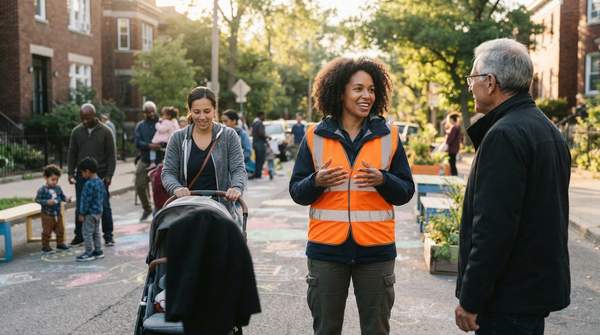
Yes, green spaces serve as crucial hubs for social interaction, fostering stronger community ties and a sense of belonging. They provide venues for public events, recreational activities, and informal gatherings, vital for social cohesion. These shared natural areas contribute to a collective sense of pride and ownership, enhancing overall community well-being.

If cities prioritize strategic investment in diverse, accessible green infrastructure, they will likely see sustained economic growth, improved public health, and enhanced community well-being.