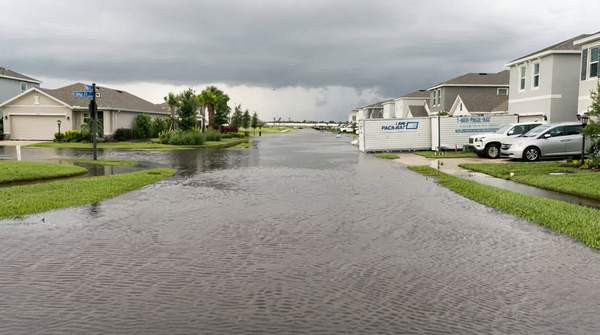
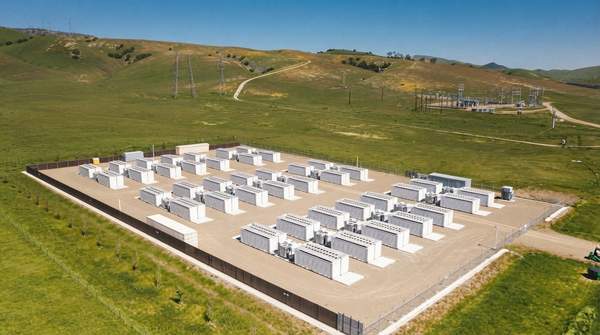
In North Branch, Michigan, a $2.39 million state-approved revitalization project, sanctioned on May 15, 2026, is projected to create just 14 jobs. A pattern in state-backed community efforts reveals that substantial capital infusion often yields modest direct employment figures. The Michigan Community Revitalization Program, for instance, approved projects up to $9.55 million, yet these are projected for only 10 jobs, according to Michigan Business.
State-backed community revitalization programs inject millions into local projects. However, direct economic benefits, especially job creation, remain modest. The cost per direct job created by some Michigan programs exceeds $1 million, confirming these initiatives are not primarily designed for immediate employment generation.
These programs successfully address housing and blight. But communities relying solely on them for comprehensive economic uplift will find broader growth ambitions unmet. State-led revitalization trades massive public investment for minimal direct job creation, focusing instead on infrastructure and housing improvements over immediate economic stimulus.
Defining Community Revitalization Initiatives
The City of Valdosta, Georgia, repurposed the historic Ashley Hotel, built in 1925, into 61 affordable senior housing units. This effort shows how revitalization often centers on improving existing housing stock and creating new affordable living options, according to Focused Community Strategies (FCS). Such initiatives prioritize residential development to enhance living conditions.
Programs define 'revitalization' differently across states. The Michigan Community Revitalization Program explicitly links investment to job creation, however modest, as seen in the $9.55 million project for 10 jobs. Georgia's FCS examples detail extensive housing development and blight removal without mentioning direct job creation. 'Community revitalization' is a broad term, with success defined by varying state or program objectives.
The Scale of State Investment and Project Details
Another Detroit project, approved on July 28, 2026, involves an investment up to $12.57 million with a projected award of $1.50 million, according to Michigan Business. State programs channel significant capital into specific urban development projects, indicating a targeted approach. Yet, for this Detroit project, no job creation figures were provided in the approval details.
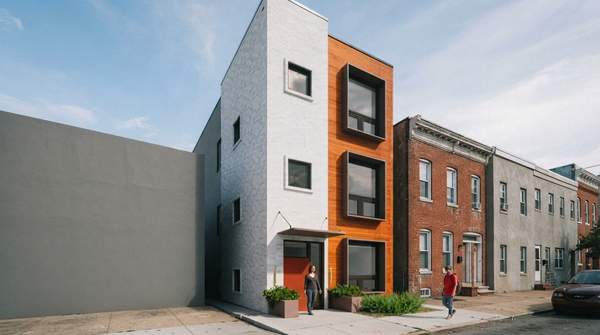
The lack of job creation metrics in several large Michigan project approvals suggests direct employment is not a primary Key Performance Indicator. Job growth is either an indirect benefit or simply unquantified for significant state investments. Policymakers must clarify if these multi-million dollar revitalization programs aim for job creation or quality-of-life improvements, as current outcomes show a disconnect between investment and direct economic impact.
Addressing Blight: Direct Action for Neighborhood Improvement
Since 2009, the City of Vienna, Georgia, demolished 16 dilapidated homes and removed or demolished 21 substandard mobile homes. Direct interventions transform neglected spaces, according to Focused Community Strategies (FCS). Such actions enhance neighborhood aesthetics and safety, tangibly improving the physical environment.
Direct interventions like demolition and removal are crucial for transforming neglected spaces and enhancing neighborhood safety. A consistent focus on housing and blight removal, contrasted with Michigan's high cost per job, reveals 'community revitalization' often prioritizes improving living conditions and aesthetics over robust local employment growth.
Strategic Planning for Sustainable Community Growth
The Illinois Housing Development Authority (IHDA) offers free proactive planning services to communities across Illinois to develop revitalization strategies, according to IHDA. These services provide long-term comprehensive planning partnerships to communities and organizations outside the Chicago metropolitan area, resulting in a Housing Needs Assessment plan.
Comprehensive planning services are essential for communities to develop tailored, sustainable revitalization roadmaps beyond immediate project funding. However, while valuable for strategic development, these planning services do not inherently translate into direct job creation. A disconnect exists between long-term planning and immediate economic impact.
Incentivizing Broader Development Goals
How are broader development goals incentivized in revitalization initiatives?
IHDA's Community Revitalization strategies are incentivized within the Low-Income Housing Tax Credit (LIHTC) program, according to IHDA. Integration aligns revitalization efforts with existing affordable housing initiatives, encouraging a wider scope of community benefits. Such programs leverage established frameworks for housing and development. However, broader development goals are often constrained by the specific parameters of affordable housing, potentially limiting diverse economic growth opportunities beyond residential units.
As more projects, such as the $12.57 million Detroit initiative, near completion by late 2026, it appears their primary impact will remain focused on physical improvements and housing, rather than significant direct job creation.