A letter dated June 12th, 1867, from Columbus, Texas, reveals that freedpeople were already celebrating the anniversary of their Emancipation just two years after the news of freedom arrived in Galveston Bay, Texas. This early commemoration established a deeply personal, grassroots tradition, showcasing the immediate significance of freedom to those directly affected, long before any formal recognition. It's powerful to see how quickly communities embraced this pivotal date.
Juneteenth has been a deeply meaningful celebration for Black communities for over a century, but it only achieved federal holiday status in 2021. This stark contrast between enduring tradition and recent national acknowledgment shapes how we observe the holiday today, with communities nationwide hosting diverse Juneteenth celebrations and events for 2026.
The holiday's national recognition will likely embed its historical significance and celebratory traditions deeper into the broader American cultural fabric, fostering greater understanding and participation. Yet, this shift also introduces new complexities, particularly concerning its grassroots origins and the potential for commercialization—a dynamic I'm keen to explore.
What to expect at Juneteenth celebrations 2026
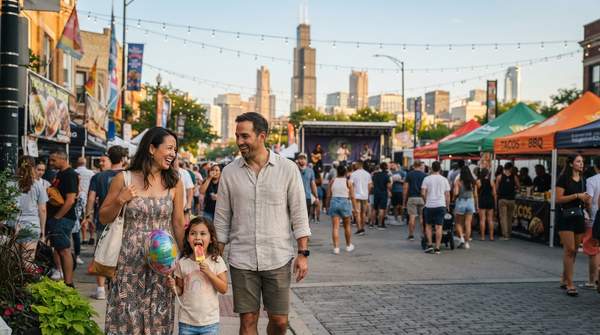
Juneteenth celebrations are blossoming nationwide, showcasing a vibrant mix of tradition and modern festivity. From the Coastal Empire and Lowcountry to the Bay Area, communities are gearing up with festivals, live music, food, cultural performances, and family activities, according to WTOC, WKYT, KQED, and KPLC-TV. This widespread participation, spanning diverse regions like Lexington and Southwest Louisiana, suggests that federal recognition has amplified the holiday's reach, encouraging a broad spectrum of public observances.
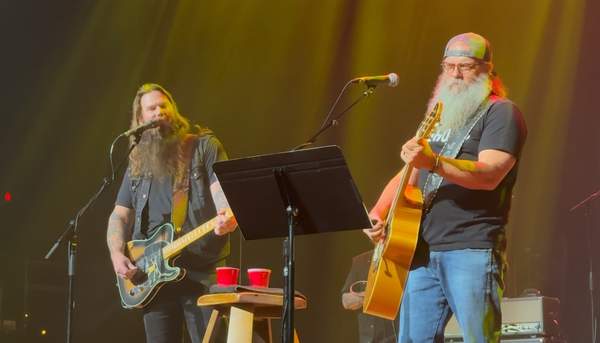
Notably, the Historic Mitchelville Freedom Park Juneteenth Festival on Hilton Head Island will feature Stokley of Mint Condition as a headliner, with adult admission set at $10, WTOC reports. This inclusion of ticketed events and prominent performers points to an evolving landscape where Juneteenth celebrations are increasingly integrated into mainstream event programming, potentially drawing new audiences while also raising questions about the holiday's commercial future.