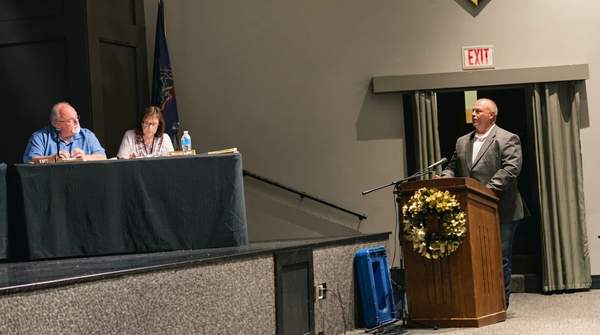
Rochester's City Council approved the sale of a half-acre Charlotte Street green space for $150,000 on April 21, 2026. The decision clears the way for 20 affordable housing units but eliminates a cherished community amenity, prioritizing immediate housing needs over local natural areas. This common urban dilemma forces cities to choose between improving residents' lives through housing and preserving green spaces, a trade-off likely to intensify as housing shortages grow.
The Growing Squeeze on Urban Green Spaces
Rochester's City Council approved selling the Charlotte Street green space to Hinge Neighbors for affordable housing, a decision reported by WXXI News. This mirrors a broader trend where cities pit affordable housing against existing amenities. For example, Fort Worth residents criticized proposed zoning changes near Kelly Elliott Road and W. Interstate 20 Highway, fearing traffic and green space loss from multifamily housing, according to Fort Worth Report. Such decisions often favor development, sidelining local environmental concerns and resident quality of life.
The Imperative of Affordable Housing and Growth
The push for urban development often comes from a critical need for affordable housing. Hinge Neighbors plans 11 townhouses on the Charlotte Street site, with nine units including an additional dwelling unit, totaling 20 units for low-income Rochesterians, WXXI News reported. This directly addresses the community's housing shortage. Council President Miguel Meléndez prioritized housing and generational wealth over the green space, claiming the area is 'not starved for parks,' according to WXXI News. Council President Miguel Meléndez's prioritization of housing and generational wealth over green space signals a shift: urban development now focuses on targeted economic interventions, even at the cost of environmental assets, rather than holistic community planning.
The Unspoken Costs of Unbalanced Development
Rochester City Council's internal debate shows the complexity of these choices. Councilmember Mary Lupien voted against the Charlotte Street sale, refusing to remove green space without a replacement, WXXI News reported. Her dissent exposes a core disagreement: are green spaces expendable for housing, or are they non-negotiable assets? This isn't a unanimous decision, but a deliberate policy choice to prioritize housing over green space, often without guaranteed alternatives. Across cities like Fort Worth and Rochester, councils appear willing to override local objections, suggesting a top-down development strategy that undervalues community input on environmental assets.