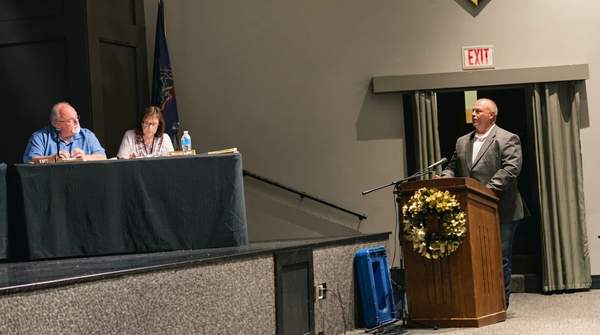
Community opposition to local projects, often driven by a vocal few, has cost America over $1 trillion annually in the past decade. This economic impact stems from stalled housing developments and infrastructure, directly affecting affordability and the broader economy, according to National Civic League reporting on Forbes' estimates. Such delays perpetuate economic and social inequalities, hindering community growth and adaptation.
Community engagement aims to enhance public health and policy relevance. But current public meeting structures often lead to unrepresentative outcomes, harming the broader community. The gap between ideal citizen participation and its practical execution in local government is highlighted by this tension.
Without reforms to how local governments solicit and weigh citizen input, critical public needs like housing will likely remain underserved, perpetuating economic and social inequalities.
The Crucial Role of Local Government
Effective public health policy at the municipal level requires strategic management of social and environmental contexts. Local governments directly influence zoning, public safety, and daily life for residents, according to PMC. Local decisions significantly impact community well-being and development. City councils, planning boards, and school committees determine affordable housing, public service quality, and neighborhood economic vitality. Citizen input is essential for these policies to remain relevant and responsive, reflecting actual community needs, not just a narrow viewpoint.
Why Citizen Engagement Matters (Ideally)
Community engagement enhances the relevance, effectiveness, and sustainability of public health interventions. When diverse voices contribute, policies address real-world challenges and gain broader public support, as stated by PMC. Collaboration tailors solutions to specific community contexts, making them more impactful. Involving residents in local planning fosters ownership and aligns policies with community values. This engagement leads to innovative solutions for urban planning, environmental protection, and social services, building stronger communities.