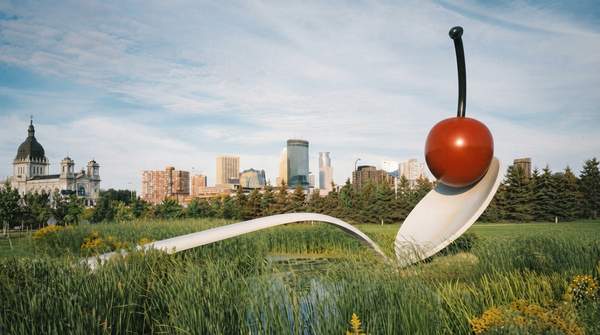
Public art, from monumental sculptures in city parks to murals on downtown buildings, rarely appears by chance. Its journey from concept to installation follows a structured lifecycle guided by municipal policies. This process typically involves three distinct stages: securing funding, navigating a multi-layered approval process, and establishing a plan for long-term maintenance and conservation. Understanding these stages reveals the deliberate administrative framework that brings art into public spaces.
Stage 1: Funding Public Art Initiatives
The financial foundation for public art is built from a variety of sources that differ by municipality. A common method is direct allocation from a city's annual budget. The City of Lansing, for example, states in its policy that it will financially support public art installations and maintenance whenever possible within its yearly budget constraints. This approach often works in tandem with the encouragement of private funding and grants to supplement public money.
Another prevalent model is the "percent for art" program. This mechanism reserves a percentage of the budget from new capital improvement projects for the creation of public art. While not requiring a new tax, this budgeting tool ensures a consistent funding stream tied to a city's growth and development. For instance, some policies allocate a portion of the budget from all new capital projects over a certain threshold, such as $10,000, to works of art. These funds are typically reserved for new construction and not for infrastructure repairs.
Private contributions are also a vital component of public art funding. Municipalities may actively encourage donations from individuals and organizations. In some cases, like in Fountain Hills, Arizona, policies may include contributions from developers as part of new projects. This can involve an applicant purchasing a piece of art that complies with local ordinances as part of their development plan.
Stage 2: Navigating the Public Art Approval Process
Once funding is identified, a proposed artwork must pass through a formal, often multi-layered, approval process. This ensures that projects align with a community's vision, are sited appropriately, and are logistically sound. The process typically begins with a proposal to a specialized committee or commission dedicated to public art.
In Sioux Falls, all proposals for art on city property, regardless of their funding source, must be approved by the Visual Arts Committee (VAC). The VAC's review is comprehensive, considering factors like artistic merit and the work's contribution to the city's collection. Following the committee's recommendation, the broader Arts Commission holds the authority for final approval. Similarly, in Fountain Hills, applicants are encouraged to submit an "Initial Art Plan" to the Public Art Committee to ensure the project complies with local ordinances.
The recommendations of these specialized bodies are often subject to final approval by higher municipal authorities. In Lansing, the Mayor’s Arts and Culture Commission (MAACC) is responsible for creating guidelines and providing recommendations on public art projects. However, these recommendations are subject to the Mayor's final approval. If a project is proposed for a city park, other bodies like the Lansing Parks Board may also review the proposal and make their own recommendations.