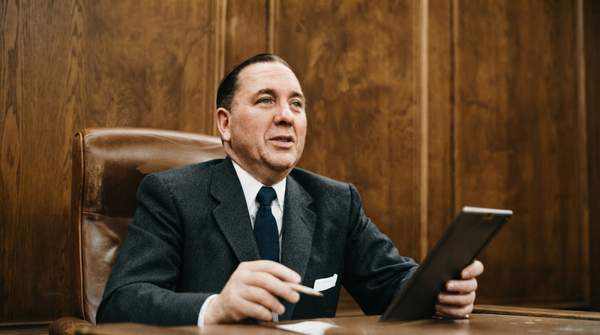
Chicago's mayoral control of its public schools, which began in 1995 and is now drawing to a close, was built on a promise: that concentrated authority at City Hall could fix a failing district faster than any elected board. It produced real reforms, fierce opposition, and a legacy so contested that the city is replacing it with a 21-member elected school board. Understanding that legacy means holding two things at once — the accountability and ambition its proponents credit it with, and the destabilization, closures, and lost community voice its critics say it caused.
Introduction: The Genesis of Mayoral Control in Chicago
Mayoral control arrived in Chicago in 1995, when the state legislature handed the school district to Mayor Richard M. Daley. The Civic Committee, a business-backed civic group, describes itself as having led the effort, along with 1998 reform legislation and a revised state school-funding formula in 1997. Its stated aim was to "bolster student achievement and significantly improve Chicago's public education ecosystem."
Daley's first schools chief was Paul Vallas, his former budget director, who took over the district, as the Chicago Teachers Union notes pointedly, "with no education experience whatsoever." That pairing — a powerful mayor and a managerial CEO — became the template for the era: centralized decision-making, high-stakes testing, and a conviction that schools should be run like accountable enterprises.
The Daley/Vallas Era: Centralization and Initial Reforms (1995-2001)
Vallas made accountability his signature, boasting that he kept educators and schools answerable for results. He also pushed alternative educational strategies, including charter schools and partnerships with private institutions, which one policy analysis of the period framed as means to an end — improving student performance — rather than ends in themselves.
But the era's foundations drew criticism that would echo for decades. The Chicago Teachers Union, writing in 2023, argued that Vallas's policies set in motion "the decades-long destabilization of Black and Latine schools and communities," and that "the seeds for the record 2013 school closings imposed by then mayor Rahm Emanuel were sown by Paul Vallas 18 years earlier." The union also blames the Vallas-era decision to let the district skip pension payments for a decade — after a state law change — for the pension crisis that followed.