Community

How to Engage Your Local City Council

Despite new legal tools designed to boost public participation, existing frameworks often discourage city officials from even reaching out to their constituents.

DM
Derek Molina

April 11, 2026 · 4 min read

Diverse citizens actively participating in a city council meeting, advocating for their community's needs and engaging with local government officials.

Despite new legal tools designed to boost public participation, existing frameworks often discourage city officials from even reaching out to their constituents. This tension creates a significant hurdle for communities seeking to influence local decisions. Legal frameworks governing public participation can stifle innovation and actively discourage public officials from reaching out to citizens, according to the National Civic League. This barrier prevents effective dialogue, leaving community voices unheard and isolating decision-makers from local concerns. Communities risk losing a shared vision and effective policy prioritization if citizens remain disengaged, making active participation more critical than ever for local governance.

Why Your Voice Matters More Than You Think

Local policymakers struggle to prioritize initiatives without direct input. Hearing from residents helps them decide what to prioritize, ensuring decisions align with community needs, according to GovPilot. Without citizen involvement, fostering a shared vision and boosting civic pride becomes impossible, GovPilot also reports. This disengagement frays the fabric of local society, leading to a fragmented sense of purpose. Existing legal frameworks, by stifling innovation and discouraging official outreach, inadvertently create a bureaucratic moat around decision-making, ensuring policies remain disconnected from the communities they serve, as observed by the National Civic League.

Steps for Engaging Your Local City Council

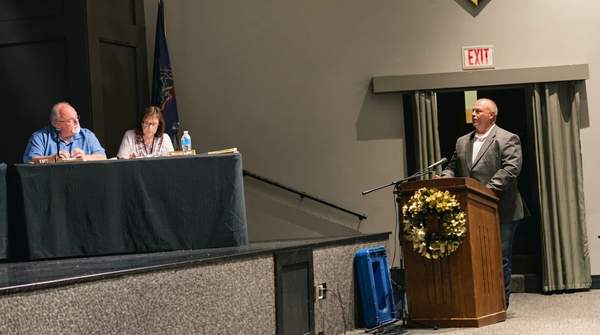
To influence local government, understand your city's governance structure. Attend city council meetings, which are public, for direct insight into decisions. Municipalities post schedules and agendas online, simplifying participation.

Effective communication means clear concerns and constructive solutions. Prepare brief remarks for public comment or submit written statements. Building relationships with local officials also opens consistent dialogue.

Beyond formal meetings, join local advisory committees or community workshops. These groups focus on specific issues like zoning or economic development, allowing for deeper advocacy. Active involvement here shows a sustained commitment, making your input harder to ignore. This proactive engagement can transform passive observation into tangible policy influence.

The Cost of Disengagement

Citizen disengagement from local politics carries significant consequences. A lack of voter turnout stems from unengaged citizens, leading to policies enacted without public input, according to GovPilot. This absence of public voice means policies often proceed without crucial community alignment.

When citizens disengage, they cede influence, resulting in policies that may not reflect community needs. This civic apathy, marked by low involvement, is exacerbated by legal frameworks that deter official outreach. GovPilot links this lack of involvement to an inability to foster a shared vision and boost civic pride, while the National Civic League finds legal frameworks discourage outreach. Together, these reveal a systemic problem: legal rigidity actively undermines the foundational elements of a healthy, engaged civic society, perpetuating a disconnect between governance and daily life.

New Tools for Greater Impact

New initiatives are designed to improve public participation despite existing hurdles. A working group developed new legal tools, including a model public participation ordinance for local governments and a model act for state governments, reports the National Civic League. These instruments offer standardized approaches for more consistent civic engagement.

These new legal instruments modernize and standardize public engagement, creating clearer pathways for citizens. The barrier often stems from legal inertia, requiring specialized legal navigation. The need for city legal professionals to champion these updated frameworks is evident.

While not universally adopted, these model tools show a growing recognition for structured public involvement. As city attorneys explore these recommendations, citizen access and influence in local governance could expand significantly. Citizens should inquire with their local government about adopting such updated ordinances; their implementation could redefine local engagement.

What are the best ways to voice concerns to city council?

The most effective ways to voice concerns include attending public comment periods at council meetings and submitting written statements. You can also contact individual council members directly via email or phone. Consider joining local advocacy groups focused on specific community issues to amplify your message.

How can citizens influence local government decisions?

Citizens influence local government decisions by actively participating in public hearings, volunteering for city committees, and engaging in local elections. Building relationships with city officials and consistently presenting well-researched arguments helps shape policy discussions. Even small actions, like signing petitions, contribute to broader civic influence.

What is the role of a city council member?

A city council member represents their constituents, creates and votes on local ordinances, and approves the city budget. They work to address community needs, oversee city departments, and ensure the proper functioning of local government. Council members serve as a direct link between residents and municipal operations.

If cities successfully implement model public participation ordinances outlined by organizations like the National Civic League, they will likely see a significant increase in both citizen engagement and civic pride by late 2026.