Community

How Local Government Budgets Are Created: A Resident's Guide to Influencing Spending

Your local government's budget drives decisions from road repairs to new parks. Understanding this process and how to influence it is key to shaping your community's future.

DM
Derek Molina

March 30, 2026 · 10 min read

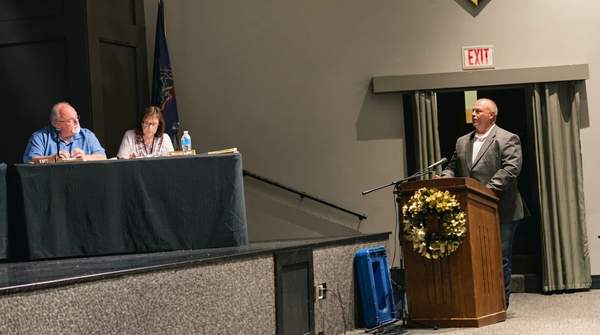
Residents actively engaging in a community meeting, reviewing budget documents and discussing local government spending priorities, with city hall in the background.

You see a pothole on your daily commute and wonder when the city will finally fix it. A few blocks away, a new playground is being built at the local park, complete with shiny new equipment. Both of these decisions—the delayed road repair and the brand-new park—are driven by your local government's budget. Understanding how local government budgets are created and allocated, and how residents can influence them, is one of the most powerful ways to shape the future of your community. This document isn't just a collection of numbers; it’s a roadmap that shows what our leaders prioritize, from public safety to green spaces.

What Is a Local Government Budget?

A local government budget is a legal and financial plan that outlines a community's spending priorities for a specific period, typically one or two years. It's more than just an accounting document; it serves as the primary policy guide for a municipality. The budget decides how a community’s resources will be allocated among essential services like police and fire departments, public health, road maintenance, libraries, and education. According to the Government Finance Officers Association (GFOA), the budget is arguably the most important policy document that a local government produces, because it translates political promises and community goals into tangible action.

This plan serves as a legal control on spending. Once the budget is adopted by the city council or county commission, it gives departments the legal authority to spend public funds, but only up to the allocated amounts. Preparing this plan is a critical responsibility, in part because, as government resource site GovPilot notes, most local governments are legally required to prepare a balanced budget. Unlike the federal government, they cannot spend more than they bring in through revenue. This legal requirement forces local leaders to make difficult choices about which services to fund, expand, or cut each year, making public input a vital part of the process.

How Local Government Budgets Are Created: A Step-by-Step Guide

The budget process can seem complex from the outside, but it follows a predictable annual cycle. In our neck of the woods, getting involved early is the key to having a real impact. Let's take a closer look at the typical journey from a blank spreadsheet to an adopted city budget.

  1. Step 1: Establishing Strategic PrioritiesLong before the first numbers are crunched, the process begins with a vision. The city council or county commission, often with input from the mayor or city manager, establishes broad goals for the upcoming year. This might happen during a council retreat or a series of public workshops. Do they want to focus on improving public transportation, investing in economic development to attract new businesses, or enhancing public parks? These high-level priorities create the framework that will guide all subsequent spending decisions. This is the first and perhaps most crucial opportunity for residents to weigh in. Attending these early meetings allows you to advocate for what you believe should be the community's main focus before the detailed departmental requests are even submitted.
  2. Step 2: Forecasting RevenueA government can't decide how to spend money until it knows how much it will have. The city's finance department takes on the critical task of projecting all incoming revenue for the next fiscal year. The primary sources of funding for most local governments are property taxes and sales taxes collected from residents and businesses. They also project revenue from other sources, such as fees for services (like water and sewer), permits, fines, and intergovernmental aid from the state or federal government. This step is filled with uncertainty. An economic downturn could reduce sales tax collections, or the state government could cut funding. For example, a report from the North Norfolk District Council in the UK projected that its central government funding could decrease by as much as 23% by 2028/29, a factor they had to account for in their planning.
  3. Step 3: Submitting Departmental Budget RequestsWith strategic goals and revenue forecasts in hand, every city department—from the police and fire departments to the library and parks and recreation—prepares a budget request. Each department head outlines their financial needs for the coming year. These requests typically detail two types of expenses. The operating budget covers the day-to-day costs of running the department, such as employee salaries, benefits, fuel for vehicles, and office supplies. The capital budget, on the other hand, is for major, long-term investments. This could include purchasing a new fire truck, building a new community center, or undertaking a major road reconstruction project. Departments must justify their requests by linking them to the council's strategic priorities and demonstrating how the funds will serve the community.
  4. Step 4: Compiling the Proposed BudgetThe city manager, county administrator, or a dedicated budget office acts as the central coordinator. They gather all the departmental requests and compare the total proposed spending with the projected revenue. Almost invariably, the requests add up to more than the available funds. This is where the toughest decisions begin. The manager's office must analyze each request, weigh competing demands, and make recommendations to align spending with the council's priorities, all while ensuring the final product is a balanced budget. The result of this work is a single, comprehensive document: the proposed budget. This document is then prepared for presentation to the elected officials and the public.
  5. Step 5: Holding Public Hearings and WorkshopsThis is where residents can truly engage with the specifics. Once the proposed budget is released, the city council holds one or more public hearings. These meetings are formally advertised and open to everyone. The city manager and finance director typically present an overview of the budget, highlighting key changes from the previous year, major new investments, and any proposed changes to tax rates or fees. Following the presentation, the floor is opened for public comment. This is your chance to stand up and speak directly to your elected officials. You can support a proposed expenditure, argue against a cut to a service you value, or ask questions about a specific line item. It’s the most direct form of budgetary influence available to the average citizen.
  6. Step 6: Deliberating and Amending the BudgetFollowing the public hearings, the city council or county commission begins its formal deliberations. In a series of public meetings, they scrutinize the proposed budget line by line. They ask detailed questions of department heads, debate the merits of different projects, and consider the feedback they received from residents. During this phase, council members can propose amendments to the budget. One member might suggest moving funds from the public works budget to increase library hours, while another might advocate for a smaller property tax increase than what was proposed. This is where political negotiation and compromise come into play as the final version of the budget takes shape.
  7. Step 7: Adopting the Final BudgetAfter all deliberations and amendments are complete, the council votes to formally adopt the final budget. This is typically done by passing a budget ordinance or resolution. According to the Municipal Research and Services Center (MRSC), this adopted budget becomes a legal document. It grants each department the legal authority to spend public money up to the amounts specified for the fiscal year. Once adopted, the budget is set, though minor amendments may be possible during the year to address unforeseen circumstances. The adoption of the budget concludes the months-long planning process and kicks off the implementation phase.

Common Mistakes to Avoid When Influencing the Budget

Engaging with the local budget process can feel intimidating, but avoiding a few common pitfalls can make your input significantly more effective. Here's what you need to know to make sure your voice is heard and respected.

  • Waiting Until the Final Vote. Many residents only become aware of the budget when the final vote on a tax increase is announced. By that point, the core decisions about services and projects have already been debated and settled. The most effective time to provide input is early in the process—during strategic planning workshops (Step 1) or the initial public hearings on the proposed budget (Step 5).
  • Making Vague or Purely Emotional Appeals. A statement like "Don't raise my taxes!" is easy for officials to dismiss. A more powerful approach is to offer specific, constructive feedback. For example: "I understand the need for more revenue, but instead of an across-the-board property tax increase, I urge the council to explore raising fees for new development permits to ensure that growth helps pay for itself." Grounding your comments in the budget document itself shows you've done your homework.
  • Ignoring the Trade-Offs. Because local governments must pass a balanced budget, the process is a zero-sum game. Advocating for a new program or a larger departmental budget without acknowledging this reality is a common mistake. If you want more funding for after-school programs, be prepared to suggest where that money could come from. Should another service be cut? Should a specific fee be increased? Acknowledging the trade-offs shows you understand the difficult choices the council has to make.
  • Not Understanding the Revenue Side. It’s easy to focus on spending, but it's just as important to understand where the money comes from. For instance, residents might be frustrated by a property tax increase without realizing how that revenue is divided. In the North Norfolk example, the District Council only retains 7.3% of the collected council tax. The vast majority goes to other entities like the county (74.9%) and police (14%). Knowing this context allows you to direct your advocacy to the correct governing body.

Advanced Tips: Key Considerations for Deeper Engagement

For those who want to go beyond speaking at a single hearing, there are more advanced ways to understand and influence your municipal budget. Digging a little deeper can transform you from a concerned resident into a truly informed advocate.

To understand your local budget, begin by accessing the full proposed and adopted documents, which most municipalities post online. Locate the city manager's "budget message" or "transmittal letter" at the beginning; it offers a high-level overview of key priorities and challenges. Then, find the revenue and expenditure summaries. These sections provide a bird's-eye view of where public money originates and how it is allocated. While budgets can be hundreds of pages, concentrate on these summaries and the departments most relevant to your concerns.

Second, comprehend the different types of government funds, as not all money is interchangeable. The General Fund, primarily supported by property and sales taxes, finances most core services like police, fire, and administration. In contrast, Enterprise Funds operate more like businesses, generating their own revenue from user fees to cover their costs, such as the water department. Money within an enterprise fund is restricted and cannot be used for general services, which clarifies why revenue from your water bill cannot be used to fill a pothole.

Finally, look for opportunities for direct participation, such as participatory budgeting. This is a growing trend in civic engagement where, as described by GovPilot, local governments set aside a portion of the budget, allowing community members to directly brainstorm ideas and vote on how to spend it. This could involve funding for new park benches, a community garden, or public art installations. It is a powerful way to give residents direct control over a slice of the public purse.

Frequently Asked Questions

How can I find out when budget meetings are happening?

Your local government is required to provide public notice for these meetings. The best place to start is the official city or county website. Look for a "Public Meetings" or "Agendas & Minutes" section. Many municipalities also allow you to sign up for email or text message newsletters that announce upcoming meetings. Following your local government's official social media pages is another great way to stay informed.

What is the difference between an operating budget and a capital budget?

The operating budget covers the recurring, day-to-day costs required to keep the government running. This includes salaries and benefits for employees, utility bills for public buildings, fuel for city vehicles, and office supplies. The capital budget, or Capital Improvement Plan (CIP), is for major, long-term investments or projects. These are typically large, one-time expenses for assets that will last for many years, such as building a new fire station, buying land for a park, or completely rebuilding a major road.

My property taxes went up. Where does all that money go?

It's a common misconception that your entire property tax bill goes to your city or town. In reality, the bill you receive is a consolidated statement for several different government entities. A large portion typically goes to the local school district, with other shares going to the county government, community college districts, library districts, or other special districts. Your city may only receive a small percentage of the total amount. For example, the North Norfolk District Council in the UK keeps only 7.3% of the council tax it collects. Your tax bill should include a breakdown showing exactly what percentage goes to each entity.

The Bottom Line

The local government budget profoundly shapes the services, infrastructure, and overall quality of life in your community. Understanding precisely how this plan is created and where its key decision points lie is the first step toward becoming an effective advocate for your neighborhood's priorities. Your voice is a crucial part of ensuring that public funds are spent in a way that truly reflects the community's needs and values.

Here's what you need to know to get started: Your first action should be to visit your city or county government's website. From there, find the "Finance" or "Budget Department" page. Look for this year's budget document and the public meeting calendar to see when the next budget workshop or hearing is scheduled.