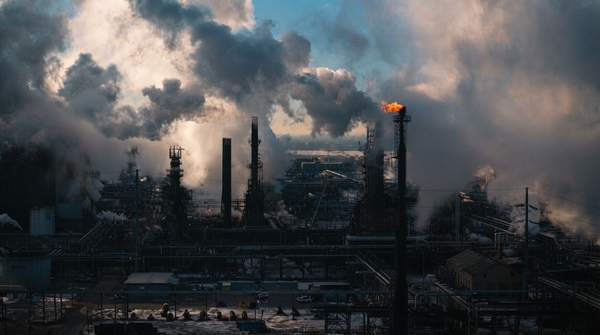
The Federal Railroad Administration's environmental assessment for Amtrak's proposed Midwest Maintenance Facility in Chicago's Bridgeport neighborhood concludes the project's impact would be "insignificant." Community leaders, residents, and local environmentalists say that conclusion doesn't hold up — pointing to contaminated soil, noise near homes, diesel fumes, and a study process they call rushed and anything but independent.
Amtrak's Proposed Facility: Official Findings vs. Community Concerns
The dispute centers on a 59-page environmental assessment released over the weekend of November 8–9, 2026, by the FRA. Amtrak prepared the document on behalf of the federal railroad agency, and it repeats claims Amtrak officials have made at several recent community meetings: that the new facility's environmental impact would be "insignificant."
That framing drew immediate pushback. Alderman Nicole Lee (11th) and Cook County Commissioner John P. Daley issued a joint statement noting that nearly 7,000 residents live within 500 feet of the site. "On behalf of the nearly 7,000 residents who live within 500 feet of this site, who will have to breathe this air and hear this noise pollution, we beg to differ," they said, calling the assessment process "woefully insufficient."
Residents had been demanding a study since late August 2026, when concerns about the facility's environmental effects on the neighborhood first surfaced. But the document that arrived did not satisfy them. "This is what they did. Did they bring one member of the Bridgeport community? Are we supposed to trust them?" resident Ann Caruso told CBS Chicago. Another resident, Michael Mancine, called it "a study that was done for predetermined results" that "was pushed through in seven to 11 days."
Comparing the Environmental Assessment: Official Findings vs. Community Concerns
The clearest way to understand the conflict is to set the assessment's reported findings against the specific objections raised by community critics. The table below juxtaposes what the assessment says about each issue with the documented counter-claims from local officials, residents, and environmental groups.
| Environmental Issue | Official Assessment Finding | Community Criticism / Unaddressed Concern |
|---|---|---|
| Soil Contamination | The assessment acknowledges construction would require significant mitigation measures for management of potentially hazardous soil and dust. | Critics raise concerns about "forever chemicals" (PFAS) at the site, questioning whether the assessment adequately addresses them. |
| Noise & Vibrations | The assessment identifies noise among the impacts requiring significant mitigation measures. | Officials and residents dispute the overall "insignificant" conclusion, citing noise pollution that nearly 7,000 residents within 500 feet of the site will have to hear. |
| Air Quality | The assessment requires significant mitigation measures to address air quality. | Community members express specific concerns about diesel fumes, claiming the study does not adequately address the air they will have to breathe. |
| Study Independence & Adequacy | Amtrak prepared the 59-page assessment on behalf of the FRA, concluding an "insignificant" environmental impact. | Officials call the process "rushed through in only 11 days" and "woefully insufficient"; residents call it "predetermined" and demand an independent environmental impact statement. |
Two things stand out in this comparison. First, the assessment does not claim the site is free of environmental problems — it explicitly acknowledges that air quality, noise, and hazardous soil and dust will require significant mitigation. The disagreement is over whether "insignificant impact" is a fair overall conclusion once those measures are in place, and whether the analysis behind it is trustworthy. Second, the sharpest dispute is not about any single pollutant but about who conducted the study and how: a document prepared by Amtrak itself, on behalf of the FRA, in a compressed timeframe.
Community Leaders Demand Independent Review
The most consistent demand from officials and residents is for a more thorough, independent environmental review. Lee said the assessment "needs to be done by someone independent of Amtrak and (Ishbia's) development team," referring to the development interests tied to the project. She added that it appears the federal government rushed the evaluation and that Amtrak "seems more eager to break ground than patiently explain to neighborhood residents how this will impact their lives."
Lee and Daley also emphasized that the assessment process itself was a concession. "This assessment process, which Amtrak and the FRA only agreed to under intense pressure, is woefully insufficient," their joint statement said — meaning residents had to fight simply to obtain an environmental assessment, and now question whether the one delivered meets the moment.
That procedural history explains much of the skepticism. Residents spent months demanding a study, then received a 59-page document prepared by the project's own sponsor, released over a weekend, and concluding the impact would be insignificant. Members of Bridgeport Environmentalists, a local group represented by resident Matt Malec, have been among those voicing concerns about the facility's effects on the neighborhood, including on nearby schools and parks.
It's worth noting what the assessment is not. An environmental assessment is a less exhaustive review than a full environmental impact statement, and community leaders are explicitly calling for the latter — a comprehensive, independent analysis rather than a document they characterize as assembled from repurposed materials for a predetermined result.
Next Steps: Community Advocacy Continues
Community members and leaders will likely continue to advocate for a more comprehensive and independent environmental impact study for the proposed Amtrak facility. The measurable indicator to watch is continued public statements from local officials and community groups, or official announcements regarding further environmental reviews (such as an EIS) or project modifications. Until one of those arrives, the gap between the assessment's "insignificant" conclusion and the residents' account of what they will have to breathe and hear remains the central unresolved question of the project.
Sources
- Environmental assessment finds "insignificant" impact for proposed Amtrak Bridgeport maintenance facility — CBS News
- Community leaders say new environmental study of Amtrak’s proposed South Side facility ‘woefully inadequate’ — Chicago Tribune
- Bridgeport neighbors speak out against environmental impact study released by Amtrak, FRA — CBS News
- TRAINS