What Are Local Green Building Certifications for Homes in 2026?

In Austin, Texas, homes with a 5-star 'Austin Energy Green Building' rating consume 20-30% less energy than standard homes, translating to significant annual savings, according to Austin Energy.

AB
Aaron Blake

April 25, 2026 · 4 min read

A modern, sustainable home with solar panels and lush landscaping, representing local green building certifications.

In Austin, Texas, homes with a 5-star 'Austin Energy Green Building' rating consume 20-30% less energy than standard homes, translating to significant annual savings, according to Austin Energy. Yet, a homeowner in suburban Atlanta spent $15,000 on upgrades for a 'Bronze Green' certification, only to find no discernible impact on resale value or energy bills, according to a Homeowner Testimonial. This stark contrast reveals the varied impact of local green building certifications for residential properties.

The demand for green homes is rising, but diverse local certification standards often obscure, rather than clarify, their true environmental and economic value.

Without greater standardization or clearer consumer education, the market for green-certified residential properties risks fragmentation, potentially undermining public trust and slowing widespread adoption of truly sustainable practices.

The Disparate Realities of Local Green Certifications

Homes certified under Portland, Oregon's local 'Green Dwelling Standard' sold for an average of 7% more than comparable non-certified homes, according to Portland Real Estate Analytics. Certified properties in specific regions have a clear market advantage. Yet, a survey in a neighboring county revealed 60% of homeowners were unaware of any local green building certification programs, despite homes in their area having such labels, according to the Regional Housing Authority. This regional disparity in awareness and value creates an inconsistent market.

For developers, navigating differing green building codes between adjacent municipalities added 10-15% to project planning costs, according to an Urban Development Group Interview. Such localized variations complicate development and underscore the fragmented nature of the green building market.

What Exactly is a 'Green Building Certification'?

Green building certifications are third-party verified rating systems assessing a building's environmental performance across energy, water, materials, and indoor air quality, according to the Environmental Protection Agency. Unlike national standards like LEED, local certifications tailor criteria to specific regional climates, resources, and regulations, according to the National Association of Home Builders. Common criteria include energy efficiency, water conservation, sustainable materials, and site impact, according to the Green Building Council. The primary goal is to reduce a building's ecological footprint throughout its lifecycle, according to the World Green Building Council. Local programs often address unique community priorities, such as preserving watersheds or promoting regional material sourcing, according to a Local Planning Department. This local adaptation means criteria and rigor vary significantly, contributing to market confusion.

Navigating the Local Labyrinth: How Certifications Work

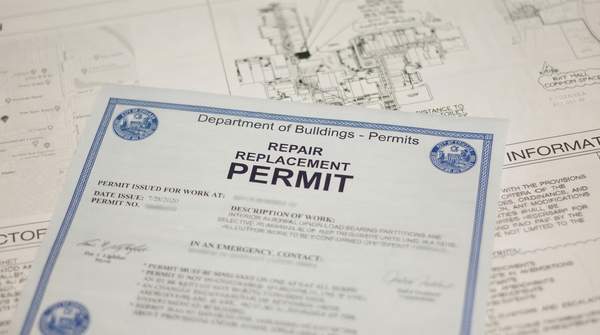
The certification process involves design review, construction inspections, and final performance verification by an accredited professional, according to the Green Raters Institute. Many local programs require energy modeling software to demonstrate projected savings before construction, according to the Building Performance Association. This upfront analysis helps align design with sustainability goals.

Developers often struggle to source locally preferred sustainable materials that meet cost and availability, according to Developer Survey, 2023. Certifications offer tiered levels (Bronze, Silver, Gold, Platinum) based on features, allowing for varied commitment, according to EarthCraft Georgia. These certifications build upon local building codes, often exceeding baseline requirements, according to the International Code Council. The multi-step path demands careful planning and navigating regional requirements and supply chains, complicating widespread adoption.

The Skeptics' View: Are Local Certifications Truly Green?

Critics argue some local certifications are too lenient, allowing builders to achieve 'green' status with minimal environmental impact, leading to consumer disillusionment, according to an Environmental Watchdog Group. This leniency fosters 'greenwashing,' making it hard to differentiate truly high-performing homes. Administrative costs and fees can add 2-5% to a home's construction budget, a cost often passed to the buyer, according to the Construction Economics Review. This expense deters developers from pursuing more rigorous standards.

A lack of consistent data across diverse local programs makes comparing environmental performance nationwide difficult, according to the National Renewable Energy Laboratory. Smaller builders find bureaucratic hurdles and documentation prohibitive, limiting participation, according to the Small Business Builders Association. Without robust enforcement, 'green' claims risk becoming marketing ploys, according to Consumer Reports. Local green certifications face scrutiny over cost, burden, and inconsistent outcomes, creating a 'wild west' for homeowners.

Beyond the Label: The Real-World Impact of Green Homes

Green homes often feature superior indoor air quality due to reduced VOCs and improved ventilation, benefiting occupant health, according to the Harvard T.H. Chan School of Public Health. Certified green homes typically command a 3-8% higher resale value compared to conventional homes, reflecting buyer preference for efficiency, according to the National Association of REALTORS®. A clear financial incentive is offered to homeowners.

Many green-certified properties report 15-30% lower annual utility bills, offering significant long-term savings, according to Energy Star Program Data. By reducing energy and water consumption, green buildings lessen strain on local infrastructure and conserve resources, according to a Local Utility Company Report. Green home construction often supports local economies by prioritizing regional materials and specialized trades, according to an Economic Development Council. Despite challenges, robust local green certifications deliver measurable benefits, from improved health and financial savings to broader environmental and economic advantages for communities.

Your Green Home Questions, Answered

How do I find local green building programs?

Local green building councils or municipal planning departments often maintain directories of certified builders and professionals, according to a Local Green Building Council. These resources connect homeowners with qualified experts and programs.

Are green homes more expensive to insure?

Some insurers offer discounts for certified green homes due to enhanced durability and reduced risk, according to the Insurance Information Institute. This can offset initial certification costs and provide long-term savings.

Can an existing home get a green certification?

Yes, many local programs offer certification pathways for existing homes undergoing significant renovations or energy retrofits, according to the Existing Buildings Council. This allows homeowners to improve older properties' sustainability and gain official recognition.

The Future of Green Homes: Local Impact, Global Ambition

If efforts by organizations like the National Institute of Building Sciences succeed in harmonizing standards by 2027, the market for local green building certifications will likely simplify, fostering greater trust and meeting continued consumer demand for efficient, healthy homes.