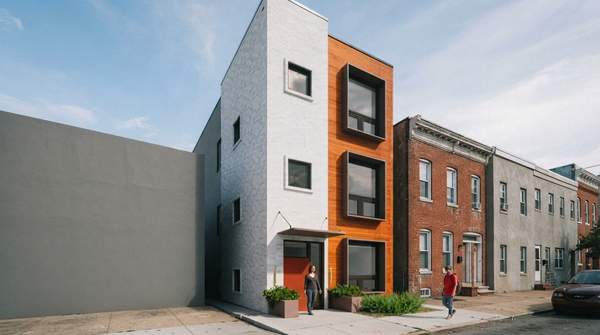
In California and many eastern cities, housing prices far outstrip construction costs. This disparity, impacting families and economic stability, isn't a natural market force. Instead, it largely stems from local zoning laws and land use controls, which drive up housing expenses, according to research from Ideas Repec.
Zoning laws are often pitched as vital for urban planning and community preservation. Yet, their real-world use frequently chokes housing supply. This restriction actively pushes up housing costs and deepens residential segregation, directly undermining equitable development. The conflict between zoning's stated purpose and its actual impact presents a critical challenge for urban planning in 2026.
Without significant zoning reforms in these major urban centers, housing affordability crises and social divides will likely worsen, hitting prospective homebuyers and low-income residents hardest.
What Are Zoning Laws, and Why Do They Matter for Urban Development?
Zoning laws are municipal rules. They divide land into districts, dictating what can be built and where. A zone might allow only single-family homes, banning apartments or businesses. Across much of America, housing prices stay near construction costs, signaling an efficient market where supply meets demand.
But in places like California, housing prices far exceed construction costs. Here, zoning rules often limit buildable land. These restrictive ordinances create an artificial scarcity of affordable lots, pushing up housing costs. This isn't a market failure; it's a direct result of policy choices. It creates a premium on scarce land, making housing unaffordable by design.
Zoning's Impact on Residential Segregation in 2026
Local zoning laws do more than influence economics; they actively shape communities. Research in ScienceDirect confirms these laws intensify residential segregation. Minimum lot sizes or bans on multi-family housing, for example, price out lower-income residents. This creates neighborhoods uniform in wealth, not diversity.

Urban planning frameworks, therefore, aren't just failing to build equitable communities; they actively deepen existing divides. A fundamental re-evaluation of zoning's societal impact is crucial. This is especially true as communities aim for greater inclusivity and reduced economic gaps in 2026 and beyond.
The Broader Economic and Social Costs of Restrictive Zoning
Restrictive zoning policies create a less equitable, less dynamic urban landscape. They hinder economic mobility and worsen social divides. When housing supply is artificially tight, a huge gap opens between housing prices and construction costs. This is clear in California and eastern cities. This gap isn't accidental; it's a policy choice. It prioritizes restrictive zoning over affordable housing, directly harming economic equity for many.
Homeowners in desirable, restricted areas often see their property values artificially inflate. Meanwhile, prospective buyers, especially those with lower incomes, face huge barriers. This dynamic doesn't just limit housing access; it chokes economic growth. A lack of affordable development restricts labor mobility and workforce expansion. The long-term consequences on community well-being and economic opportunity are severe and demand scrutiny.
Common Questions About Zoning Reform
How do zoning laws affect urban development?
Zoning laws dictate land use, building types, and density. They directly shape a city's character and growth. They often create single-use districts, limiting walkable communities and mixed-income neighborhoods. This impacts a city's overall function and vibrancy.
What is the role of resident participation in urban planning?
Resident participation is vital. It ensures urban plans match a community's unique needs and values. It builds local ownership and accountability, leading to projects that truly benefit residents, not just developers or outside interests.
How can zoning laws promote sustainable neighborhood development?
Zoning reforms can boost sustainable development. They can allow more mixed-use zones, promote transit-oriented development, and add green infrastructure to building codes. These changes cut car dependency, save resources, and build more resilient, eco-friendly communities for the future.
Rethinking Our Urban Future
If current legislative pressures continue, municipal planning departments in major growth areas will likely face mandates to present revised zoning frameworks by Q3 2026, aiming to address mounting housing demands and equity concerns.