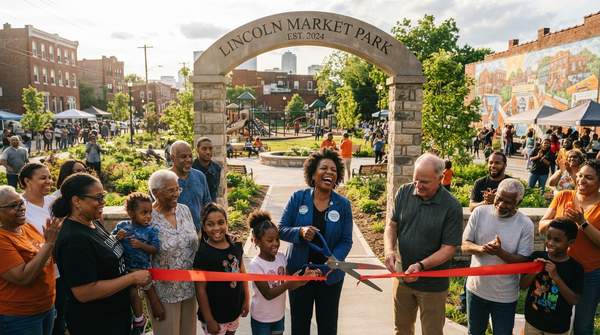
In a study of 28 North American and European cities, urban greening was a leading or contributing factor in citywide gentrification in 17 places between 1990 and 2016, according to the Lincoln Institute. This trend displaces long-term, lower-income residents as property values and living costs surge in newly greened areas. The promise of environmental improvement often brings unintended social costs for vulnerable communities.
Urban greening offers environmental and health benefits, but it frequently drives gentrification. It also faces significant funding and governance challenges, especially in the Global South. This creates a dilemma: initiatives meant for public good can worsen existing social inequalities.
If cities fail to adopt equitable funding, polycentric governance, and anti-displacement policies, urban greening risks deepening social divides and failing its environmental goals. The current approach often sabotages its own aims by creating socially stratified urban environments.
The Multifaceted Value of Urban Green Spaces
Urban greening strategies boost local residents’ mental and physical health, according to the Nicholas Institute. These spaces, from community gardens to large-scale green infrastructure, offer vital environmental benefits. Nature-based Solutions (NbS), a core part of urban greening, can provide up to one-third of the climate change mitigation needed to hit global warming targets by 2030, Nature reports. Combined health and climate benefits reveal the immense potential of green spaces, yet their implementation often falls short of equitable delivery.
Yet, the widespread gentrification tied to urban greening, as the Lincoln Institute's study shows, reveals a critical flaw: current greening initiatives often act as a Trojan horse for displacement. This means they consistently fail to deliver equitable health and environmental benefits to the communities they claim to serve, instead creating an inequitable distribution where social costs frequently negate any intended improvements for original residents. The true implication is that without careful planning, these projects actively deepen social divides rather than heal them.