The Stark Divide in Urban Green Space Access

In some cities, residents have access to urban green spaces at a rate 27,813 times greater than those in the least accessible cities, revealing a stark divide in quality of life.

DM
Derek Molina

June 7, 2026 · 5 min read

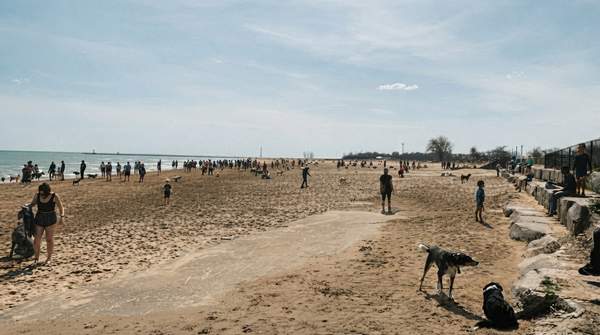
A split image showing a lush, accessible city park on one side and a barren, concrete urban area on the other, highlighting the disparity in green space.

In some cities, residents have access to urban green spaces at a rate 27,813 times greater than those in the least accessible cities, revealing a stark divide in quality of life. This massive disparity, identified in a study of 254 cities, means that for millions, the simple act of reaching a park or natural area is a distant dream. The unequal distribution of these vital resources creates a profound impact on daily well-being, effectively making access to the best hidden city parks and green spaces a luxury rather than a universal amenity.

Urban green spaces are known to significantly improve public health and social well-being, but their distribution is profoundly unequal, leaving millions without adequate access. This creates a tension where a widely acknowledged public good becomes a privilege, not a right, for many urban dwellers, particularly in underserved neighborhoods.

Without a fundamental shift in how urban green spaces are planned and evaluated, health and social disparities will continue to widen for underserved populations across our communities.

Residents in certain urban areas face a significant disadvantage in finding accessible green spaces, with some cities showing an accessibility level 27,813 times greater than others, according to PMC. A critical issue in how urban planning delivers public amenities is highlighted by this stark difference, often overlooking the needs of specific communities. Even within a 10-kilometer radius, the ability to find quiet parks in the city varies dramatically, particularly for those relying on walking or cycling for recreation and transport. Studies show that increasing distance from a green space is directly associated with decreased use, as reported by EEPRO. These figures reveal that while urban green spaces are vital for community health and engagement, their benefits are far from universally distributed, creating significant disparities in urban quality of life and exacerbating existing inequalities.

The Unseen Benefits: Why Green Spaces Matter

Access to green spaces significantly enhances the strength of social ties among neighbors, potentially lowering rates of social disorder, anxiety, and depression, according to the EPA. These natural areas promote outdoor physical activity, which can also improve community safety through increased public presence and shared recreational activities. Experiencing urban green spaces helps reduce mental fatigue or stress for residents, offering a restorative escape from the demands of city life. Profound health and social advantages demonstrate why equitable access to urban green spaces is a critical component of a thriving urban environment, offering a pathway to improved public health and stronger community bonds for all city dwellers.

The Flawed Metrics: How We Misunderstand Access

Current green space evaluation systems often overemphasize quantitative metrics, neglecting deeper considerations like service radius coverage and social equity, states Nature. While Geographic Information System (GIS) spatial analysis can quantitatively assess the spatial radiation effect of urban parks, including service radius and public accessibility, these sophisticated tools are not consistently applied to address equity concerns. The critical issue of accessibility extends beyond mere proximity; it includes whether people feel they have the ability and means to visit and enjoy spaces, a significant topic for consideration, as highlighted by Forest Research. By focusing on superficial metrics, urban planners often overlook the nuanced factors that truly determine whether a green space is genuinely accessible and beneficial to all residents, particularly those in historically underserved communities.

Beyond Proximity: True Accessibility Challenges

The true 'accessibility crisis' for urban green spaces extends beyond simple physical distance; it encompasses whether residents feel they have the means and ability to visit, according to Forest Research. This means even 'nearby' green spaces are functionally inaccessible for many, negating their profound mental and physical health benefits, and failing to provide quiet parks in the city for those who need them most. Significant inequalities in green space access exist even within walking or cycling distances in the 254 cities studied, as reported by PMC. This disparity means populations most likely to rely on these modes for recreation are systematically denied the critical mental health benefits and social cohesion that urban green spaces provide, creating a silent health burden in underserved communities that can lead to long-term health disparities.

The Cost of Inequality: A Two-Tiered Health System

Based on the stark 27,813-fold accessibility gap identified by PMC, cities failing to address green space inequality are not just neglecting a public amenity; they are actively creating a two-tiered health system where well-being is dictated by postcode. The critique from Nature, highlighting how current evaluation systems neglect service radius and social equity, suggests that many urban planning departments are inadvertently entrenching health disparities by measuring the wrong things, leading to a false sense of progress and a misallocation of resources. Furthermore, the finding from Forest Research, emphasizing that true accessibility includes whether people feel they have the ability and means to visit, reveals that simply building more parks without addressing underlying social and economic barriers is a futile exercise in promoting public health. This systemic oversight ensures that millions remain without the essential health and social benefits that urban green spaces are proven to provide, deepening community divides.

Frequently Asked Questions About Urban Green Spaces

What are some secret urban green spaces?

Lesser-known nature spots in urban areas often include community gardens, linear parks along old railway lines, and restored natural habitats within industrial zones. These areas are frequently developed through local initiatives and may not appear on major city park maps, offering quiet alternatives to larger, more crowded parks for local residents to discover.

Where can I find quiet parks in the city?

To find quiet parks in your city, consult local neighborhood associations or specialized online mapping tools that highlight smaller, less-trafficked green areas. Many cities maintain online directories of neighborhood parks, which can offer serene environments away from central urban activity. Exploring areas slightly off main public transport routes may also reveal peaceful spots, providing opportunities to experience nature's benefits close to home.

Urban planning departments that continue to overlook social equity and comprehensive accessibility metrics risk exacerbating health disparities for millions of residents. This approach actively creates a two-tiered health system where well-being is dictated by postcode, effectively making access to vital green spaces a luxury rather than a public right. Prioritizing genuine public reach and the human element of accessibility over simple quantitative counts will be crucial for fostering healthier, more equitable urban communities across the nation.