The State of Local Public Parks and Green Spaces

An estimated 227 million adults, or a member of their household, visited a local park or recreation facility in 2025, highlighting the deep reliance communities place on these essential green spaces.

DM
Derek Molina

April 20, 2026 · 5 min read

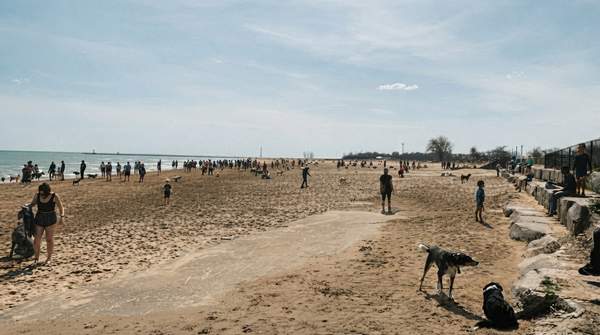
A diverse group of people enjoying a sunny day in a bustling, well-maintained local park, highlighting community connection and the importance of green spaces.

An estimated 227 million adults, or a member of their household, visited a local park or recreation facility in 2025, highlighting the deep reliance communities place on these essential green spaces. Widespread engagement shows how parks serve as cornerstones for public well-being, offering places for relaxation, exercise, and social connection. For millions, these local areas are integral to daily life, providing accessible refuges within bustling urban and suburban environments.

However, millions of people actively seek out and utilize local parks, but many of these essential public spaces are simultaneously struggling with declining visitor numbers due to critical operational and design deficiencies. High demand coexisting with underutilization signals a disconnect between public need and park functionality.

Without a concerted effort from local authorities and community members to address maintenance backlogs, improve accessibility, and diversify programming, the foundational benefits of public parks will erode, diminishing their role as essential community anchors.

An estimated 227 million adults or a household member visited their local park or recreation facility in 2025, underscoring the profound and widespread reliance on these vital green spaces. The 227 million adults, reported by the National Recreation and Park Association (NRPA), makes clear the essential role parks play in the daily lives of millions. Communities depend on these areas for everything from casual strolls to organized sports, affirming their status as critical public infrastructure.

The consistent high demand for local parks and green spaces suggests they are not merely amenities but necessities for public health and social cohesion. Despite this overwhelming public reliance, many of these spaces are simultaneously experiencing a decline in visitors. The paradox of high demand and declining visitors indicates that while people value parks, something prevents them from fully engaging with these community assets.

The Hidden Challenges Facing Our Green Spaces

The decline in visitor numbers for public parks often stems from specific, addressable issues, according to Assetworks. Parks may experience fewer visitors due to accessibility challenges, limited amenities, safety concerns, a lack of engaging programming and events, and general maintenance issues. This array of problems creates a significant disconnect with community needs, despite the fact that 227 million adults visit parks annually.


The tension between high demand and underutilization highlights that simply having green space is insufficient to ensure sustained public engagement. While the NRPA estimates 227 million adults visit parks annually, indicating high demand, Assetworks states parks experience declining visitors due to these operational and design deficiencies, creating a paradox where high demand coexists with underutilization. This means that despite widespread reliance on local public parks and green spaces, a significant portion of the public is being underserved or deterred from using parks they otherwise value. Cities neglecting park maintenance and programming are actively undermining a critical public service, effectively turning high demand into lost opportunity.

Prioritizing Safety and Environmental Health

Falling branches represent the main threat to safety in public parks, a concern that demands consistent attention from green space managers. Paysalia reports this specific danger. Falling branches representing the main threat to safety in public parks highlights the critical need for proactive maintenance that extends beyond superficial upkeep.

Paysalia reports that managers should conduct visual diagnoses of trees at least every three years, a frequency that may be outdated for proactive safety management. The recommended frequency of visual diagnoses every three years, however, suggests a reactive rather than a proactive approach to park safety. Such a schedule could contribute to visitor decline if potential hazards are not identified and addressed promptly. Beyond superficial upkeep, diligent and scientifically informed management of natural elements, particularly trees, is paramount for mitigating risks and ensuring a safe environment for visitors.

Building Inclusive and Engaging Park Experiences

Improving park accessibility involves more than just meeting minimum standards; it requires conducting thorough audits and implementing ADA-compliant infrastructure, such as ramps and accessible restrooms. Conducting thorough audits and implementing ADA-compliant infrastructure ensures that all community members, regardless of physical ability, can enjoy local public parks. Assetworks notes that limited amenities can significantly reduce a park's overall appeal.

Park departments should assess community needs to improve or install relevant amenities. Creating truly inclusive and appealing parks requires a commitment to removing physical barriers and providing amenities that reflect the diverse needs of the community. Removing physical barriers and providing amenities that reflect the diverse needs of the community actively ensures amenities and infrastructure truly serve the diverse public that relies on these spaces, preventing a disconnect that drives visitors away.

Revitalizing Parks Through Dynamic Programming

What are the benefits of local public parks?

Local public parks provide numerous benefits, including improved physical health through opportunities for exercise and mental well-being from exposure to nature. They also foster social cohesion by offering community gathering spaces and support local ecosystems by providing habitats for wildlife. Beyond recreation, parks often contribute to better air quality and temperature regulation in urban areas.

How can you find parks near me in 2026?

To find local public parks in 2026, residents can utilize online mapping services like Google Maps or Apple Maps, which often highlight green spaces and provide directions. Many municipal websites also feature dedicated park directories with detailed information on amenities and events. Local community centers and public libraries frequently offer brochures or information on nearby recreational facilities.

What activities can you do in public parks?

Public parks offer a wide array of activities, from passive recreation like picnicking and reading to active pursuits such as jogging, cycling, and playing sports. Hosting engaging events and programs, including workshops, fitness classes, and cultural events, can significantly increase park attendance, according to Assetworks. Many parks also feature playgrounds, dog parks, and walking trails, catering to diverse interests and age groups.

The Future of Our Green Spaces: A Call to Action

Ensuring local public parks remain healthy and welcoming for future generations requires continuous adaptation and proactive management. allergen exposure potential, according to Paysalia. A scientific approach to environmental factors, such as plant selection and allergen management, helps to maintain parks as truly inclusive spaces for everyone.

The Assetworks finding that limited amenities and a disconnect with community needs lead to visitor decline suggests that simply having green space isn't enough. Active, responsive management is essential to prevent these assets from becoming liabilities. To reverse declining attendance and fully realize their potential, local park departments, like the City of Springfield Parks and Recreation, must commit to regular maintenance, accessibility upgrades, and dynamic programming by the end of 2026.