On Chicago's Southwest Side, the Ford City Mall, plagued by a staggering 54 percent vacancy rate, must close by June 22. This swift shutdown clears the path for a $150 million industrial redevelopment, a plan over 600 neighbors are fiercely fighting. The city's urgent mandate, citing safety, directly clashes with strong local resistance to the proposed industrial park. This creates a stark divide between official action and the community's vision for the site's future. The city-mandated closure seems to fast-track a contentious redevelopment, suggesting community opposition will only intensify as the industrial project advances.
The Decline of a Community Hub
The main Ford City Mall building will permanently close on June 22, the Chicago Tribune reports. This follows a steep decline, with Block Club Chicago reporting a 54 percent vacancy rate. JCPenney, a key anchor, plans to close its store within 30-60 days, according to the Chicago Sun-Times. This rapid exit of major retailers, alongside high vacancies, definitively ends the mall's retail era. The site's quick demise, solidified by these departures, makes the proposed industrial transformation seem all the more imminent.
From Retail to Industrial?
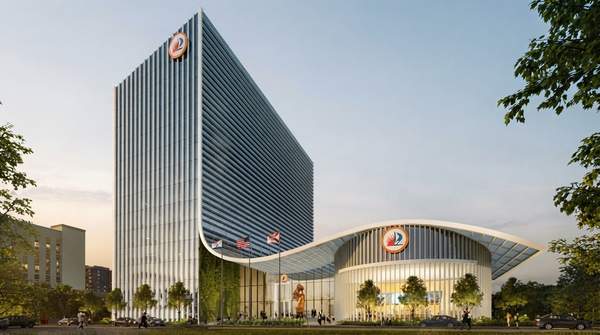
With the mall's closure mandated for June 22 by city officials, ABC7 Chicago reports, developer Kurv Industrial is poised to transform the site. Their $150 million plan envisions a massive industrial complex, replacing retail with warehouses or light manufacturing, according to the Chicago Sun-Times. This ambitious project includes four new buildings, totaling 913,000 square feet, with 923 parking spaces and 92 loading docks, Block Club Chicago details. Such a large-scale industrial footprint suggests a dramatic shift in local traffic and activity, fundamentally altering the character of the surrounding neighborhood.
Community Fights Back
Over 600 neighbors have signed a petition, demanding developers halt plans to convert the Southwest Side site into an industrial campus, Block Club Chicago reports. This fierce community opposition persists despite the mall's high vacancy rate. The sheer scale of the proposed complex—913,000 square feet with 92 loading docks—foreshadows a significant surge in truck traffic and industrial noise. This likely fuels the substantial neighbor opposition, revealing a fundamental clash between the developer's vision and residents' quality of life concerns. The organized resistance from hundreds of residents signals a potential battle ahead for the industrial park.
The Road Ahead
The Ford City Mall's closure on June 22 means the site's future remains hotly contested. The city's safety-driven shutdown appears to conveniently fast-track a lucrative industrial development, seemingly overriding local sentiment for a former community anchor. The fierce backlash from over 600 neighbors against the 913,000 square foot industrial park suggests that for many, the economic promise of warehouses simply doesn't outweigh the perceived loss of community identity and quality of life. As the mall closes and community opposition solidifies, the next phase will undoubtedly involve intensified negotiations and public discourse over the site's ultimate fate. Kurv Industrial's $150 million plan will face continued scrutiny from local residents throughout 2026.
Your Questions Answered
What specific safety concerns led to Ford City Mall's closure?
City officials filed an emergency motion citing critical concerns about the mall's fire suppression system. A judge swiftly ordered the mall's closure by June 22 due to these unaddressed safety issues, ABC7 Chicago reports.
How can the community voice its opposition to the industrial park?
Residents have already made their voices heard, with over 600 signing a petition to halt the industrial plans! They can continue engaging with local aldermen, attending community meetings, and organizing to ensure their concerns are central during the zoning and permitting processes for this proposed development.
What is the timeline for the proposed industrial park's development?
While the mall closes on June 22, 2026, the industrial park's full development timeline isn't public yet. Developers must secure zoning changes, permits, and environmental reviews—a process that can span months to years, especially with active community opposition!