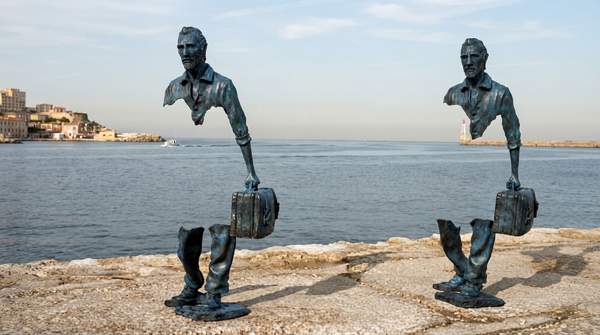
Public art installations and murals offer unique opportunities for community engagement and exploration, transforming shared spaces into vibrant cultural landscapes. These accessible artworks often reflect a community's values, history, and aspirations, going beyond mere beautification to animate spaces, improve local businesses, and foster public safety, according to ArtsFairfax. Understanding how to find and interpret these works can deepen your connection to your local environment.
Public art is generally defined as art in public places that is visible and accessible to the general community. This can include sculptures, murals, and installations that enhance public spaces, such as public furniture, walls, street and bridge enhancements, earthworks, light-based or multimedia works, and other interactive installations, as described by ArtsFairfax. These works are typically managed by official city or county cultural departments or recognized arts organizations, which often provide resources for discovery and interpretation.
Leveraging Official City and County Resources
Official city and county cultural departments, along with local arts councils, are primary resources for discovering public art. These organizations often maintain online collections, maps, and guides to help residents and visitors explore local installations.
- City of Vancouver: The City of Vancouver's Parks, Recreation, and Culture department supports artistic practices that create opportunities for interaction with art and the city. Their public art program includes works commissioned for civic and private development projects. The city's website provides information on how to explore public art, including details on specific installations and artist opportunities.
- City of San Antonio: San Antonio's Department of Arts & Culture manages public art funded through capital improvement projects. The city's Public Art Ordinance, established in 1996, ensures that civic projects incorporate art that reflects the community's unique history, culture, and aspirations, making it accessible to all. Over three decades, San Antonio has integrated murals, sculptures, and site-specific installations into various locations, including libraries, parks, greenway trails, community centers, and the River Walk. The department offers a "Public Art Collection" online to help locate these works and involves the public in determining design aspects through community engagement during the public art process.
- ArtsFairfax (Fairfax County, Virginia): ArtsFairfax actively supports public art and creative placemaking throughout Fairfax County. They provide an interactive web application called the "Public Art Locator," which is free and easy to use, allowing residents to discover and explore public art in the area. ArtsFairfax collaborates with the Fairfax County Department of Information Technology's GIS & Mapping Services Division to leverage aerial imagery and data, enabling community members to contribute to a crowd-sourced inventory of public art. This initiative helps measure how public art drives public engagement and transforms spaces.
By visiting the official websites of your local city or county cultural affairs department or arts council, you can often find similar resources, including interactive maps, directories, and information about specific artworks and artists.
Understanding Public Art: Definition and Purpose
Public art is more than just decoration; it serves as a reflection of a community's identity and a catalyst for engagement. ArtsFairfax defines public art as accessible art in public places, encompassing various forms like sculptures, murals, and installations that enhance public spaces. These works can include public furniture, wall enhancements, earthworks, and interactive installations, all designed to bring art into people's daily lives.
Creative Fuel, a publication by Anna Brones and Anjelika Deogirikar Grossman, highlights that public art can be a permanent reflection of a community—its people, values, and aspirations. For example, artist Favianna Rodriguez creates permanent and temporary installations to explore themes such as migration, gender justice, racial equity, and climate change. Ultimately, public art has the power to make individuals pause, reflect, and often encourages community action.
Interpreting Artist's Intent and Themes
Interpreting public art involves considering the artist's intent, the artwork's themes, and its broader context. When encountering a public artwork, it's natural to ask questions about its meaning or purpose, especially if it seems puzzling or ambiguous, as noted by the Internet Encyclopedia of Philosophy. Understanding the artist's intention can provide crucial context for interpreting a work, with different approaches giving varying weight to this intention.
For instance, an artist might create a piece to bring attention to a specific social issue, as seen in mobile exhibitions designed to highlight the need for accessible healthcare, or to explore topics like migration and racial equity through permanent installations. By researching the artist and the specific artwork, you can often uncover the themes they intended to convey. This research might involve looking for artist statements, project descriptions on official public art websites, or news articles about the installation.
The Tate suggests that there is an intimate relationship between interpreting art and making art, emphasizing the importance of developing strategies and skills for interpreting modern and contemporary art. This process often involves considering the theoretical context in which the art was created, recognizing that meaning can be derived from local and personal narratives rather than a single, overarching interpretation.
Community Context and Significance
Public art's significance is deeply intertwined with its community context. It reflects the unique history, culture, and aspirations of the area where it is located. For example, San Antonio's public art ordinance was established to ensure that civic projects reflected the community's distinct identity through accessible art.
Public art engages communities by animating spaces, improving local businesses, and creating local landmarks, according to ArtsFairfax. It brings people together and can transform a space into a place by fostering public engagement. Creative Fuel emphasizes that public art can make us pause and reflect, encouraging us to take action within our communities. The interpretation of contemporary art, in particular, is intimately linked to its relationship with the audience and the specific context in which it is viewed. By considering the history of the location, the demographics of the community, and any local events or issues that might be relevant, you can gain a deeper understanding of how an artwork connects to its surroundings and its audience.
Conclusion: Engaging with Your Local Public Art
Engaging with local public art offers a rich opportunity to connect with your community's cultural landscape. By utilizing official city and county resources, such as online public art collections and interactive maps, you can effectively discover installations in your area. Once found, taking the time to interpret the artwork by considering the artist's intent, the themes explored, and its community context will enhance your experience. This active engagement allows you to move beyond simply observing art to understanding its deeper meaning and its role in reflecting and shaping the community around you.


